
The best crab cakes recipe easy crispy usually comes down to one thing people overlook: restraint, less filler, less stirring, less flipping, and a hotter pan than you think.
If you have ever bitten into a crab cake that tastes more like breadcrumbs than crab, or one that falls apart the second it hits the skillet, you are not alone. A lot of “easy” recipes are easy because they hide problems under extra binders, and that is exactly what kills crisp edges and that sweet crab texture.
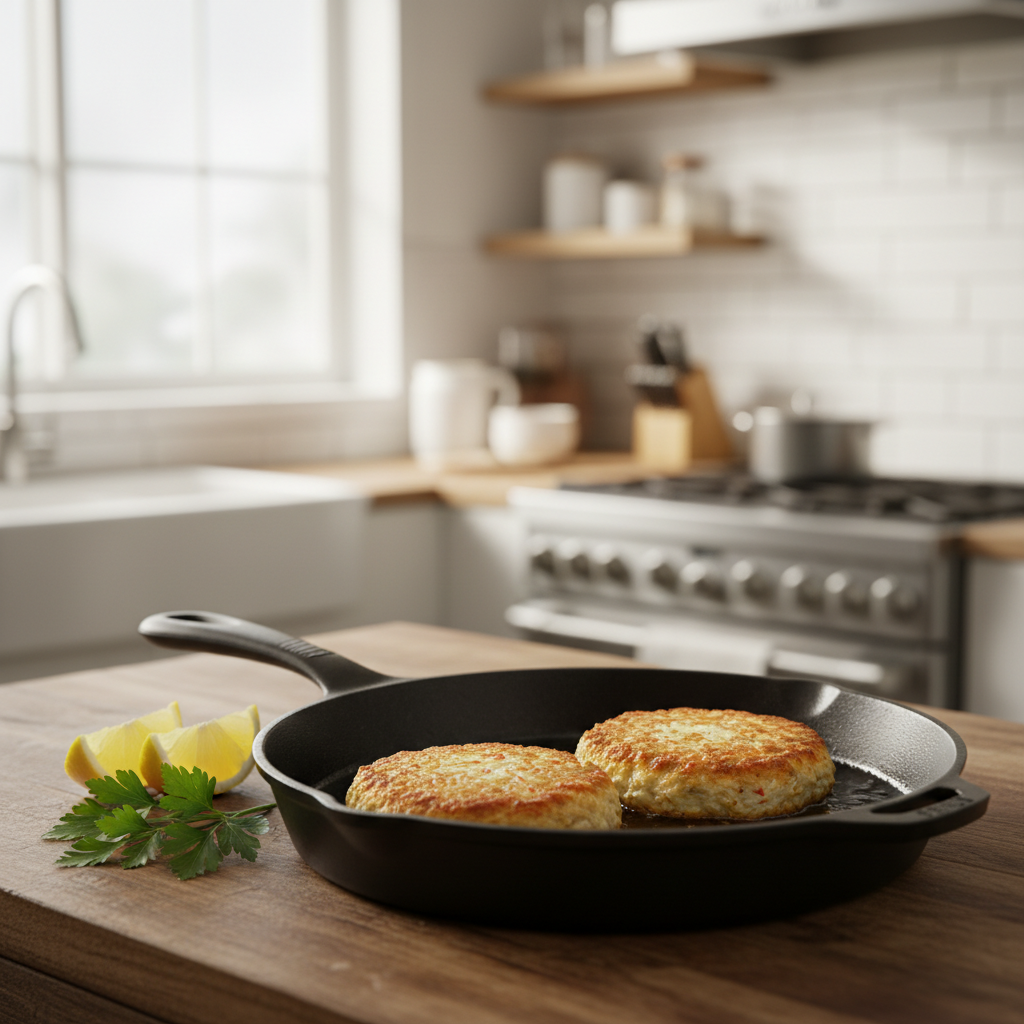
This guide keeps it practical, you will get a reliable base recipe, a quick checklist to troubleshoot texture, and a couple of small “chef moves” that make crab cakes taste restaurant-level without turning it into a weekend project.
What makes crab cakes crispy, and why many turn out soft
Crispiness comes from surface drying plus enough heat to brown before the inside overcooks. Most home failures trace back to moisture management and handling.
- Too much filler absorbs moisture and steams instead of browning, especially if you pack the mixture tight.
- Wet crab (or overly wet add-ins) makes the cakes fragile and soft, even if you add more crumbs.
- Pan not hot enough leads to pale cakes that drink oil, then fall apart when you try to flip.
- Overmixing breaks crab lumps into paste, the texture goes dense and the cakes lose structure.
- Skipping the chill means the binder has not set, so the first flip becomes a scramble.
According to USDA guidance on seafood safety, keeping perishable seafood cold and minimizing time at room temperature helps reduce food safety risk, so chilling also helps quality and safety in one move.
Ingredients for the best easy crispy crab cakes
For a crab cake that tastes like crab, the ingredient list stays short and intentional. This version aims for a Maryland-style balance: mostly crab, a light binder, and bold but not loud seasoning.
Shopping list (makes about 8 small cakes)
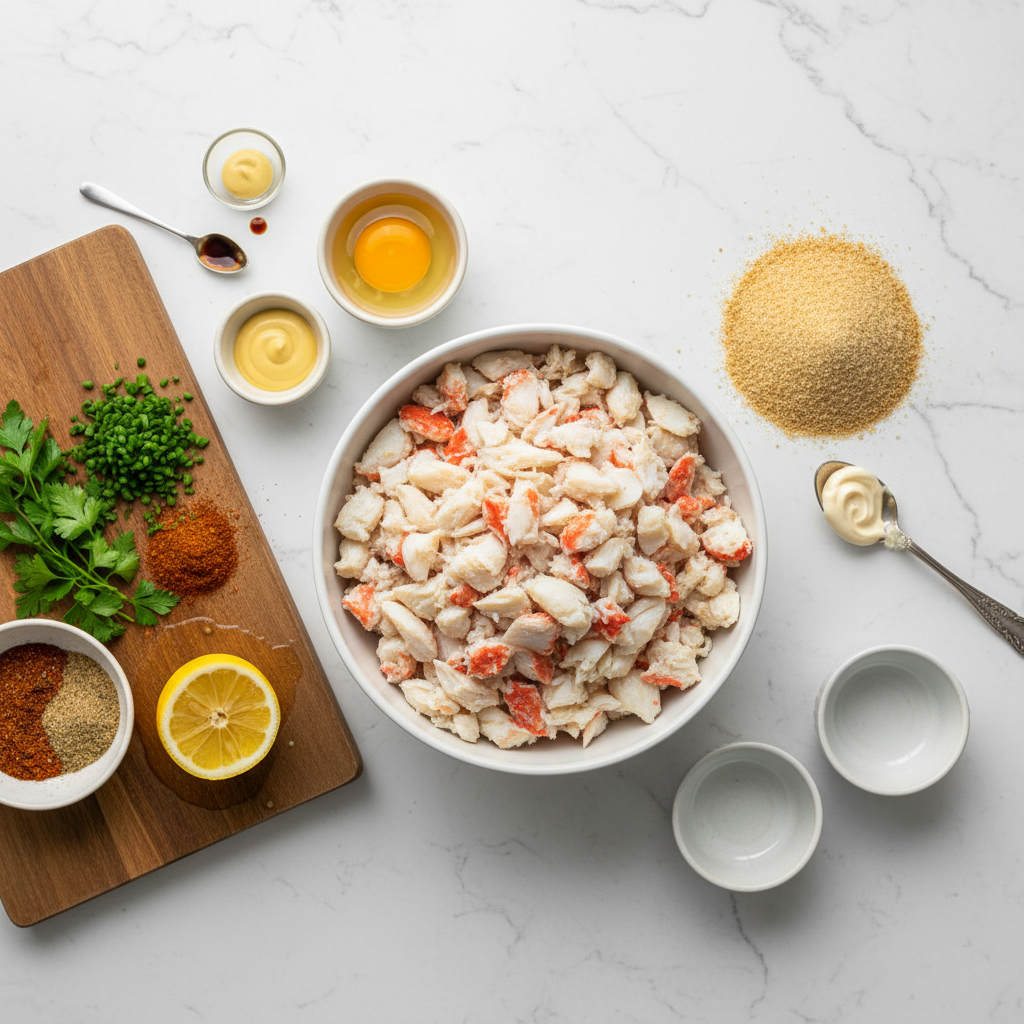
- Crab meat: 1 lb lump crab (or a mix of lump + backfin)
- Binder: 1 large egg
- Mayonnaise: 1/4 cup
- Breadcrumbs: 1/2 cup panko, plus 2–3 tbsp for coating if needed
- Dijon mustard: 1 tsp
- Worcestershire sauce: 1 tsp
- Seasoning: 1/2 tsp Old Bay (or similar seafood seasoning), black pepper
- Fresh add-ins: 2 tbsp minced scallion or chives, 1 tbsp chopped parsley
- Optional heat: a few dashes hot sauce
- For frying: neutral oil (canola or avocado), 2–3 tbsp
Crab choice tip: Fresh is great if you trust the source, pasteurized refrigerated crab is often the most consistent for weeknight cooking. If you use canned, drain carefully and expect a slightly different texture.
Quick table: ingredient swaps that usually work (and ones that don’t)
Sometimes you are missing one item, the trick is swapping without making the mix wet or gummy.
| Ingredient | Best swap | Why it works | Swap to be careful with |
|---|---|---|---|
| Mayo | Greek yogurt (thick) | Similar creaminess, less oil | Runny yogurt or sour cream (can loosen mix) |
| Panko | Crushed saltines or Ritz | Classic crab cake texture, browns well | Fine dry crumbs (can go dense) |
| Dijon | Yellow mustard (small amount) | Still adds tang | Too much spicy brown mustard (can dominate) |
| Egg | 1 tbsp mayo + 1 tbsp extra crumbs | Helps bind in a pinch | Flax “egg” (often changes texture) |
| Pan-fry oil | Canola or avocado oil | Higher smoke point, clean flavor | Butter alone (browns fast, can burn) |
Step-by-step: easy crab cakes with crispy edges
This method focuses on structure without turning the mixture bready. Handle gently, let time do the binding, and you will feel the difference when you flip.
1) Prep the crab (the quiet make-or-break step)
- Drain crab well, then spread on a paper towel for a minute or two.
- Pick out shell bits, do not shred the lumps.
2) Mix the binder base first
In a bowl, whisk egg, mayo, mustard, Worcestershire, seasoning, pepper, scallion, and parsley until smooth.
3) Fold, don’t stir
- Add crab and panko to the bowl.
- Fold gently with a spatula until it just holds together, you should still see crab chunks.
4) Form and chill
- Shape into 8 cakes, about 3 inches wide, 1 inch thick.
- If the outside feels sticky, lightly coat with a pinch of panko, not a thick breading.
- Refrigerate at least 30 minutes, 60 minutes is even calmer to work with.
5) Pan-fry for the crisp
- Heat a heavy skillet (cast iron or stainless) over medium-high.
- Add oil, when it shimmers, place cakes in with space around each.
- Cook 3–4 minutes per side, until deep golden.
- Move to a rack or paper towel, rest 2 minutes before serving.
Key point: Don’t press them down in the pan, it squeezes moisture out and makes the center tight.
Self-check: why your crab cakes fall apart or don’t crisp
If you are close but not quite there, this quick diagnosis usually saves the next batch.
- They crumble on the flip: mixture too warm or too wet, chill longer, drain crab, reduce mayo slightly.
- They taste bready: too many crumbs, cut panko by a few tablespoons and fold more gently.
- They are oily: pan not hot enough, or you crowd the skillet, cook in batches.
- No browning: heat too low, or pan has too much moisture, pat cakes dry, use less sauce add-ins.
- Center feels mushy: cakes too thick, or heat too high so the outside browns before the inside warms, lower heat slightly after the first minute.
Once you lock the texture, the best crab cakes recipe easy crispy is less about secret ingredients and more about consistent technique.
Serving ideas, sauces, and make-ahead tips
Crab cakes can go casual or “date-night” with very little extra work.
Simple sauces that don’t overpower
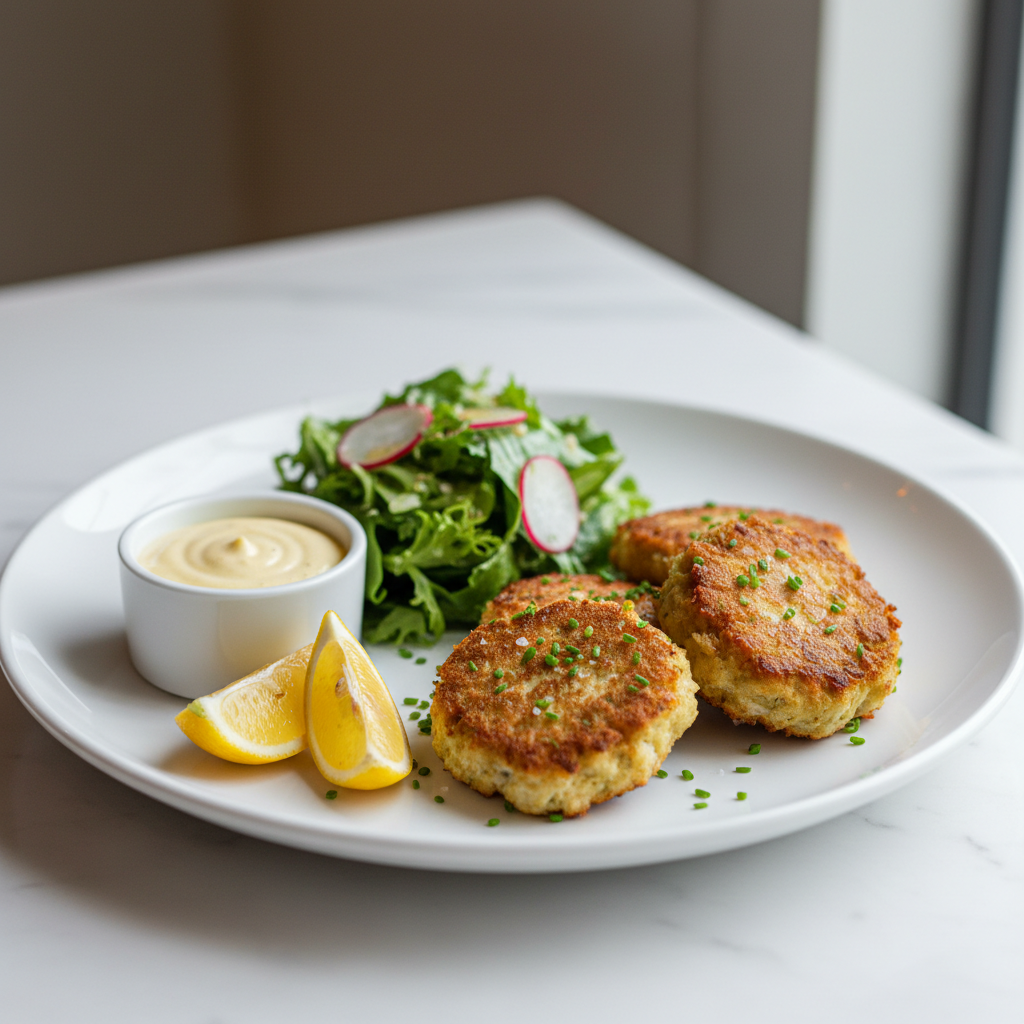
- Lemon aioli: mayo + lemon zest + lemon juice + pinch of salt
- Quick tartar: mayo + chopped pickles/capers + a little Dijon
- Spicy remoulade-ish: mayo + hot sauce + paprika + minced pickles
Side pairings that make sense
- Crunchy slaw, arugula salad, or cucumber salad for contrast
- Roasted asparagus, corn, or simple green beans
- Soft rolls for crab cake sandwiches, plus extra lemon
Make-ahead (realistic, not fussy)
- Mix and shape ahead: hold covered in the fridge up to 24 hours.
- Freeze shaped cakes: freeze on a tray, then bag, thaw overnight in the fridge before cooking.
- Reheat: oven at 375°F until hot, a quick skillet re-crisp helps.
Safety and quality notes (seafood is less forgiving)
Crab is delicious and also perishable, so the “easy” path still needs basic guardrails.
- Keep crab refrigerated until mixing, and return shaped cakes to the fridge while the pan heats.
- Wash hands, boards, and knives after handling seafood.
- Cook until the cakes are hot throughout, if you are serving higher-risk guests, it may be worth using a thermometer. According to USDA, cooked seafood is generally considered safe at an internal temperature of 145°F, but personal health circumstances vary, and it can be smart to consult a qualified professional for specific dietary needs.
Key takeaways (save this before you cook)
- Drain and dry the crab so the pan can brown, not steam.
- Fold gently to keep lumps intact and avoid a dense interior.
- Chill before frying so the cakes hold together on the flip.
- Use a hotter pan and cook in batches for truly crisp edges.
- Keep seasoning supportive, not loud, crab should stay the headline.
Conclusion: a repeatable weeknight crab cake you can trust
If you want the best crab cakes recipe easy crispy, aim for less mixing, less filler, and more patience with chilling and pan heat, that combo creates the crisp outside and tender center people hope for when they order crab cakes out.
Pick one action for your next run: either drain the crab more aggressively, or commit to a full 60-minute chill. Do that, and the rest gets much easier to dial in.
FAQ
- How do I keep crab cakes from falling apart in the pan?
Chilling helps more than adding extra crumbs. If the mixture still feels loose, reduce wet ingredients slightly and shape thicker, then flip only once the first side turns deeply golden. - Can I bake crab cakes and still get them crispy?
You can get decent browning, especially if you brush with a little oil and use a hot oven, but skillet frying usually gives a more reliable crust. If you bake, consider finishing under the broiler briefly, while watching closely. - What type of crab meat works best for easy crab cakes?
Lump or a lump/backfin mix tends to hold together well and tastes clean. Claw meat is flavorful but can skew finer in texture, many people blend it with lump rather than using it alone. - Why do my crab cakes taste too “fishy”?
That often points to crab quality or storage time. Use the freshest crab you can access, keep it cold, and add lemon zest or a little extra parsley to brighten without masking. - Can I make crab cakes ahead for a party?
Yes, shaping the cakes the day before is usually the sweet spot. Keep them covered in the fridge, then pan-fry close to serving for the crisp texture people expect. - Is panko necessary for crispy crab cakes?
Panko helps because it stays airy and browns nicely. Saltines can work well too, just avoid overly fine crumbs, which can make the interior feel packed. - How do I reheat crab cakes without drying them out?
Reheat in a 350–375°F oven until hot, then use a quick skillet re-crisp if you want the crust back. Microwaving warms fast but tends to soften the exterior.
If you are trying to plan a seafood dinner that feels special but still fits a normal weeknight, keep this base recipe and tweak only one variable at a time, crab type, chill time, or pan heat, and you will get to your personal “best” much faster.