
Mushroom soup is one of those comfort foods that can taste restaurant-level creamy, or… oddly watery and flat, depending on a few small choices.
If you want a bowl that feels rich without being heavy, the trick is less about “adding more cream” and more about building flavor early, choosing the right thickener for your pantry, and finishing with a couple of high-impact touches.
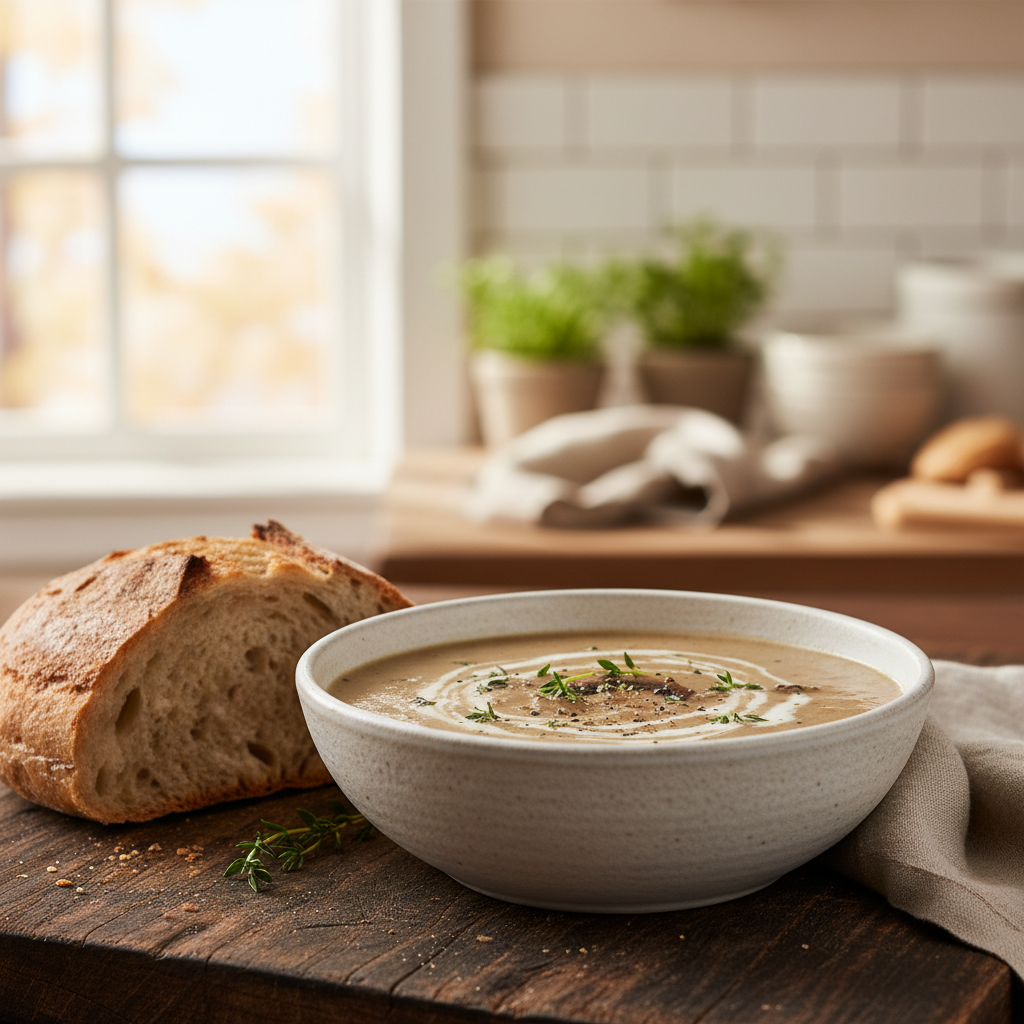
Below you’ll get a few reliable creamy approaches, a quick decision table, and practical steps to avoid the common traps, so you can make a weeknight version or a “serve guests” version without stress.
What makes mushroom soup taste truly creamy (without tasting dull)
Creaminess is texture, but good mushroom soup also needs depth. A lot of disappointing pots miss one of these building blocks.
- Browning the mushrooms: sauté until you see golden edges and the pan goes a little dry, that’s where savory flavor concentrates.
- Aromatics that match mushrooms: onion or shallot, garlic, and thyme are the classic trio; rosemary can take over fast, so use a light hand.
- Umami boosters: a splash of soy sauce, a little Worcestershire, or a pinch of dried porcini powder can round things out when the mushrooms taste “quiet.”
- The right thickening method: roux, potatoes, and cashews all create “creaminess,” but they land differently on the spoon.
- Acid at the end: a small squeeze of lemon or a dash of sherry vinegar keeps a creamy bowl from feeling one-note.
According to USDA Food Safety and Inspection Service, leftovers should be refrigerated promptly and reheated safely; treat soup like any other cooked dish and cool it quickly in shallow containers.
A quick recipe chooser (table): pick your creamy style
If you’re staring at your pantry wondering which route to take, this chart usually saves time.
| Style | Best for | How it gets creamy | Flavor profile |
|---|---|---|---|
| Classic French-style | Dinner guests, holiday starters | Roux + cream | Rich, silky, traditional |
| Potato-thickened | Everyday comfort, lighter dairy | Blended potato | Cozy, slightly rustic |
| Dairy-free “cream” | Vegan or dairy-sensitive | Cashews or coconut milk | Nutty or gently sweet (coconut) |
| Extra-savory “steakhouse” | Main-course soup nights | Roux or cream cheese | Bold, peppery, deeply umami |
Recipe 1: Classic creamy mushroom soup (roux + cream)
This is the version most people picture: smooth, glossy, and spoon-coating. It’s also forgiving if you keep the heat moderate once dairy goes in.
Ingredients (about 4 servings)
- 2 tbsp butter + 1 tbsp olive oil
- 1 1/2 lb mushrooms (cremini plus a handful of shiitake is great), sliced
- 1 small onion or 2 shallots, minced
- 2–3 garlic cloves, minced
- 2 tbsp flour
- 4 cups low-sodium chicken stock or vegetable broth
- 1/2–3/4 cup heavy cream
- Thyme, black pepper, salt
- Optional: 1–2 tsp soy sauce or Worcestershire
Steps
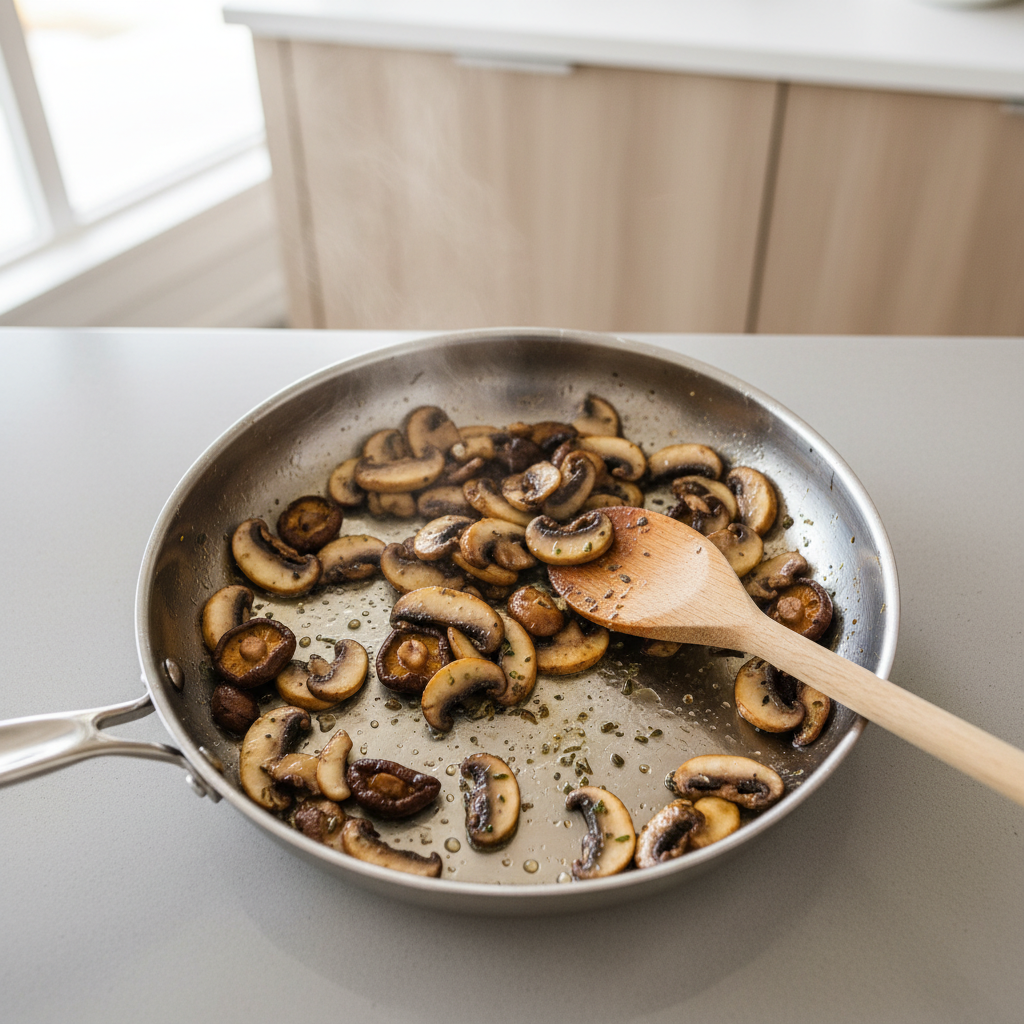
- Sauté mushrooms in butter and oil with a pinch of salt until browned and the pan looks mostly dry, 8–12 minutes.
- Add onion and cook until soft, then add garlic for 30–60 seconds.
- Sprinkle flour over the mixture and stir 1 minute, you’re cooking out the raw flour taste.
- Slowly pour in broth while stirring, then simmer 10 minutes.
- Blend part of the soup (about half) for a creamy body, or blend all for a smooth finish.
- Lower heat, stir in cream, season with pepper and thyme, then taste and adjust salt.
- Finish with a tiny splash of soy sauce or Worcestershire if the flavor feels thin, then add a few drops of lemon if it feels heavy.
Key point: boiling after adding cream can split or dull the texture, keep it at a gentle simmer.
Recipe 2: Cozy potato-thickened mushroom soup (no flour needed)
If you don’t love roux, this one is almost “set it and forget it.” The potato gives body, and you can use half-and-half, milk, or even skip dairy and still get a satisfying bowl.
Ingredients
- 2 tbsp olive oil or butter
- 1 1/4 lb mushrooms, sliced
- 1 leek (white/light green) or 1 onion, sliced
- 1 medium Yukon Gold potato, peeled and diced
- 4 cups broth
- 1/2 cup milk or half-and-half (optional)
- Bay leaf, thyme, pepper
Steps
- Brown mushrooms well, then add leek/onion and soften.
- Add potato, broth, bay leaf, thyme, bring to simmer until potato turns very tender.
- Remove bay leaf, blend until creamy, then thin with broth if needed.
- Stir in milk or half-and-half if using, warm gently and season.
This version reheats nicely, and it usually stays smooth even after a day in the fridge.
Recipe 3: Dairy-free creamy mushroom soup (cashew or coconut)
Dairy-free doesn’t have to mean “watery.” You just need a creamy base that blends smoothly.
Two reliable options
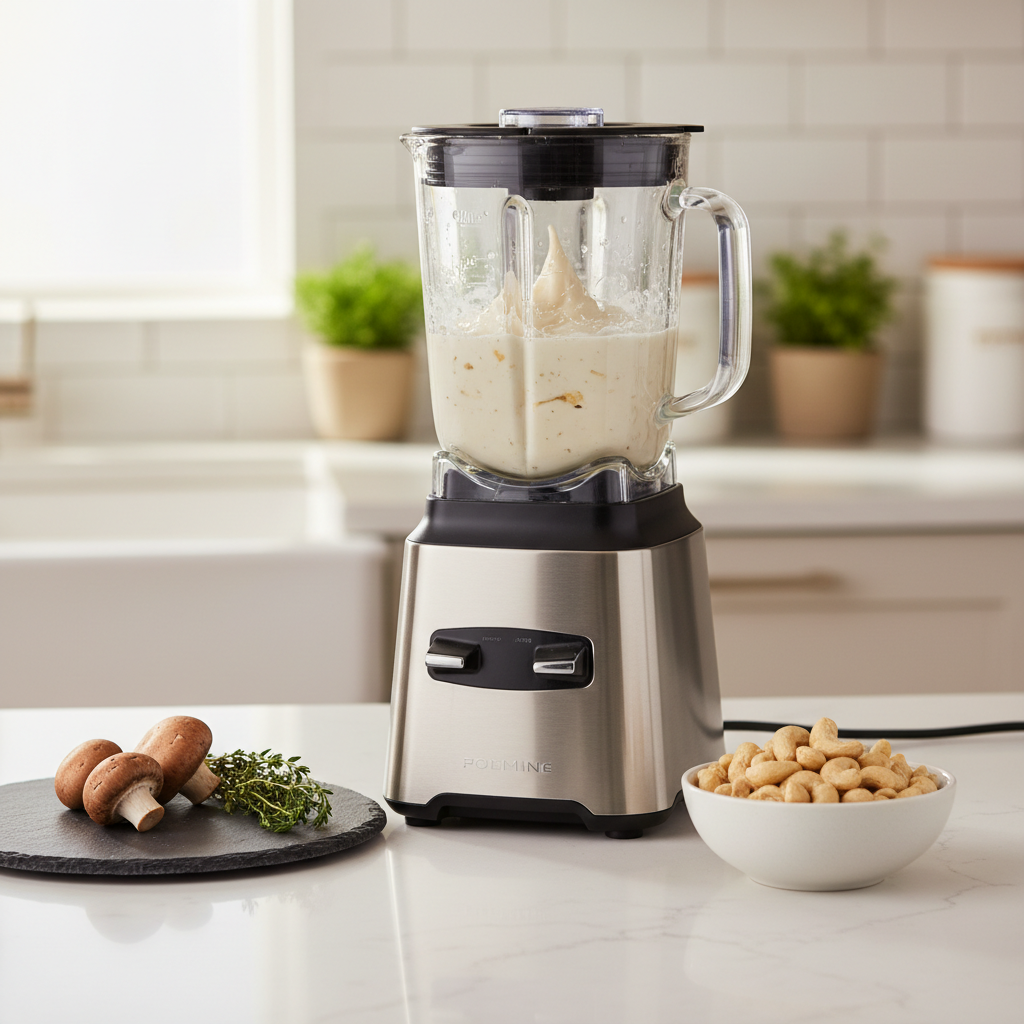
- Cashew cream: soak raw cashews in hot water 20–30 minutes, blend with water until silky, then stir into hot soup off the boil.
- Coconut milk: use full-fat canned coconut milk, but keep the amount moderate so it doesn’t taste tropical.
How to build flavor (so vegan doesn’t taste “missing something”)
- Add a small pinch of smoked paprika or nutritional yeast for savory notes.
- Use dried porcini: steep in hot water, strain, then add both mushrooms and soaking liquid to the pot.
- Finish with lemon juice or sherry vinegar, it matters more here than in dairy versions.
According to FDA, food allergens should be taken seriously; if you cook for others, call out tree nuts when using cashews.
Self-check: why your creamy mushroom soup isn’t working
If your mushroom soup tastes “fine” but not craveable, it’s usually one of these.
- Too much liquid too early: mushrooms steam instead of brown, and you lose the meaty flavor.
- Under-seasoned base: broth choice matters, low-sodium broth often needs more salt at the end.
- Not enough fat: a little butter, cream, or olive oil helps flavors carry.
- Blended wrong: blending everything can taste flat; blending half keeps some texture and aroma.
- No “lift” at the finish: without acid or fresh herbs, the bowl can feel heavy.
Practical tips: make it taste better with what you already have
These are small moves, but they change the result fast.
Flavor upgrades
- Add thyme early, add parsley at the end for freshness.
- Deglaze the pot with a splash of dry white wine or sherry (optional), then reduce before adding broth.
- Try a pinch of MSG if you use it at home, or use soy sauce as a familiar alternative.
Texture upgrades
- For a thicker soup, simmer uncovered 5–10 minutes before blending.
- For a silkier finish, blend longer and strain if you want a fine-dining texture.
- If soup gets too thick after chilling, loosen with broth, not milk, so it stays savory.
Make-ahead and storage (real-life friendly)
- Make the base (everything before dairy), cool, refrigerate, then add cream when reheating.
- Freeze dairy-free or potato-thickened versions more easily; cream-based soups can separate a bit, though gentle reheating and whisking often helps.
Common mistakes to avoid (and when to ask for help)
Some fixes are simple, others point to safety or dietary concerns where it’s better to pause.
- Cranking heat after adding cream: this can cause curdling or a grainy mouthfeel, keep it gentle.
- Using “mystery mushrooms”: if you forage, identification mistakes can be dangerous, consult a qualified local expert.
- Ignoring sodium needs: if you manage blood pressure or kidney issues, sodium targets vary, it’s smart to ask a healthcare professional for personal guidance.
- Serving to guests with allergies: dairy, nuts, and even soy are common allergens, label ingredients clearly.
Conclusion: a creamier bowl comes from better steps, not just more cream
Great mushroom soup usually comes down to browning the mushrooms properly, picking a thickening style that fits your weeknight reality, and finishing with seasoning that brings everything into focus.
If you want an easy next step, choose one recipe style above and cook it twice, the second batch is where your “house version” starts to show up.
Key takeaways
- Brown first, add liquid later, it’s the fastest path to deeper flavor.
- Pick one creamy method (roux, potato, or cashew) and commit, mixing too many can get muddy.
- Finish bright with a small amount of acid and fresh herbs.
FAQ
How do I make mushroom soup thicker without flour?
Blend in a cooked potato, or simmer longer uncovered to reduce. A small amount of cornstarch slurry can work too, but add it gradually to avoid a gummy texture.
Can I use milk instead of heavy cream?
Often yes, especially in a potato-thickened version. With roux-based soups, milk can taste lighter and may separate if boiled hard, so keep heat low and stir.
What mushrooms make the most flavorful creamy mushroom soup?
Cremini are dependable, but mixing in shiitake or a small amount of rehydrated porcini usually adds more savory depth. Even a small blend changes the aroma.
Why does my soup taste bland even after adding salt?
It may need acid or umami rather than more salt. Try a squeeze of lemon, a splash of vinegar, or a little soy sauce, then re-taste before adding more sodium.
Is it okay to blend hot soup in a blender?
It can be, but do it carefully: work in batches, vent the lid, and start low to prevent pressure buildup. An immersion blender is usually the lower-stress option.
Can I freeze creamy mushroom soup?
Many people do, but cream-based soups can separate slightly when thawed. Freezing the base before adding dairy, then finishing with cream during reheating, tends to taste better.
If you’re trying to dial in a go-to mushroom soup for busy weeks, it helps to keep one “base method” and a small list of add-ins, then rotate mushrooms and finishes depending on what your store has.