
how to make shrikhand recipe amrakhand is mostly about two things: getting the yogurt thick enough, and balancing sweetness with tangy dairy and ripe mango.
If you have tried “strained yogurt dessert” before and ended up with something watery, grainy, or overly sugary, you are not alone, this is a recipe where one small shortcut can change the texture a lot.
In this guide, I’ll walk you through a reliable, American-kitchen-friendly approach, plus options for fresh mango, canned pulp, and a quicker method when you don’t want to strain overnight.
What Shrikhand vs Amrakhand Means (and Why It Matters)
Shrikhand is a creamy Indian dessert made from strained yogurt, sweetened and lightly spiced. Amrakhand is the mango version, usually made by folding mango pulp into shrikhand.
That difference sounds simple, but it changes how you treat moisture. Mango adds water and acidity, so if your base is only “kind of thick,” amrakhand often turns loose after a few hours in the fridge.
- Shrikhand: strained yogurt + sugar + aromatics (cardamom, saffron, nuts).
- Amrakhand: shrikhand + mango pulp or mango puree, sometimes with extra saffron.
Texture target: think “spoonable, like thick Greek yogurt or soft cheesecake filling,” not pourable.
Ingredients and Smart Substitutions (U.S. Grocery Friendly)
You can make this with standard supermarket ingredients, but your yogurt choice affects effort and outcome.
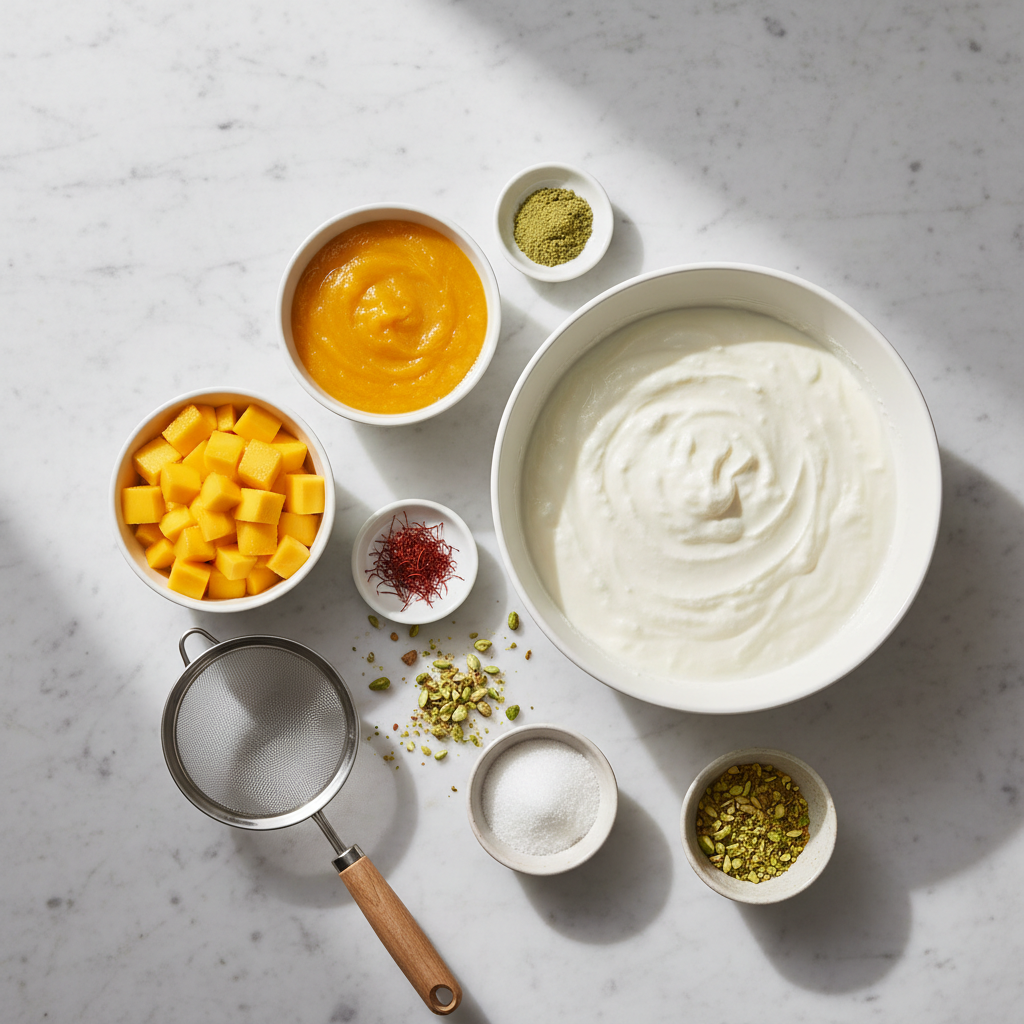
Core ingredients
- Yogurt: plain whole-milk yogurt (or Greek yogurt for a shortcut).
- Sugar: granulated, or powdered sugar for faster dissolving.
- Cardamom: ground cardamom, a little goes a long way.
- Saffron (optional): classic aroma and color, steep it first.
- Mango: fresh ripe mango, canned mango pulp, or good frozen mango thawed and blended.
Substitutions that usually work
- Greek yogurt: reduces or eliminates straining, but pick full-fat for better body.
- Honey or maple syrup: tasty, but can loosen texture, use modestly.
- Low-fat yogurt: possible, but tends to taste sharper and set softer.
According to the USDA FoodData Central, yogurt’s nutrition and moisture vary by type and fat level, which is part of why “same recipe, different brand” can behave differently.
How to Strain Yogurt the Right Way (So It Doesn’t Turn Runny)
The most common reason people struggle with how to make shrikhand recipe amrakhand is skipping proper straining, especially if the yogurt is standard American-style (more whey).
Method A: Overnight strain (most consistent)
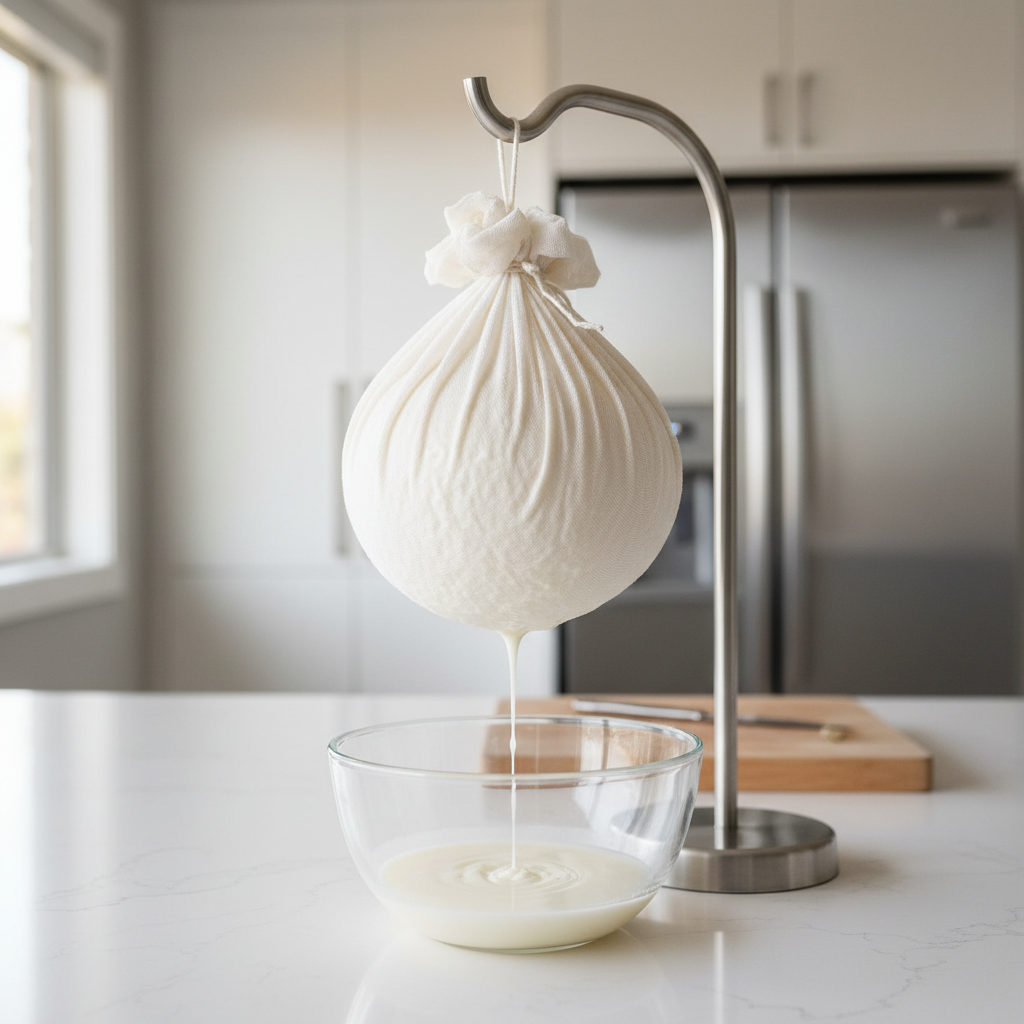
- Line a fine-mesh strainer with cheesecloth (2–3 layers) and set it over a deep bowl.
- Pour in yogurt, gather the cloth, and refrigerate 8–12 hours.
- Discard whey in the bowl, you want a thick mass left behind.
Method B: Quick strain (when you forgot to plan)
- Use full-fat Greek yogurt, strain 30–60 minutes just to tighten it.
- Or strain regular yogurt 2–4 hours, then chill the strained yogurt before mixing sugar.
Practical cue: if you tilt the bowl and it slowly slumps but doesn’t flow, you’re in the safe zone for adding mango.
Step-by-Step: Classic Shrikhand Base
Once your yogurt is thick, the rest is easy, but don’t rush the sugar step, gritty shrikhand is a mood killer.
Ingredients (makes about 4 servings)
- 2 cups plain whole-milk yogurt (yields about 1 to 1 1/4 cups strained)
- 1/3 to 1/2 cup sugar (adjust to taste)
- 1/2 tsp ground cardamom
- Pinch of saffron (optional), bloomed in 1 tsp warm milk or water
- 2 tbsp chopped pistachios or almonds (optional)
Steps
- Strain yogurt until thick and chilled.
- Whisk strained yogurt until smooth, keep it gentle to avoid thinning.
- Add sugar, whisk 30–60 seconds, then rest 5 minutes so it dissolves, whisk again.
- Mix in cardamom and saffron liquid, then chill at least 1 hour.
- Top with nuts right before serving.
Key point: chilling after mixing helps flavors round out and the texture tighten.
Turn It Into Amrakhand: Mango Choices and Ratios That Hold
To nail how to make shrikhand recipe amrakhand, treat mango like a flavorful liquid you fold in carefully, not something you dump in.
Mango options
- Fresh mango: best aroma when truly ripe, blend into a smooth puree.
- Canned mango pulp: very consistent, often sweet already, taste before adding more sugar.
- Frozen mango: convenient, thaw fully and drain excess liquid before blending.
Ratio that usually works
- For every 1 cup strained yogurt base, start with 1/3 cup mango puree.
- Increase to 1/2 cup if your base is very thick and your puree is not watery.
Mixing steps
- Make shrikhand base first, taste sweetness.
- Fold in mango puree in 2 additions, stop once it looks glossy and thick.
- Chill 2–4 hours for best set and flavor.
If the mango is very sweet, pull back sugar in the base, you can always add more later, but you can’t take it out.
Quick Troubleshooting Checklist (Texture and Taste)
If your result feels “not quite right,” this checklist helps you diagnose before you start over.
- Too runny: yogurt not strained enough, mango puree too watery, or over-whisked.
- Grainy: sugar not dissolved, use powdered sugar or rest longer after mixing.
- Too tangy: yogurt is sharp, add a touch more sugar and chill longer, tang often mellows.
- Too sweet: balance with a little more plain strained yogurt, or add a tiny pinch of salt.
- Flat flavor: cardamom is old, or saffron wasn’t bloomed, fresh spice matters here.
Many home cooks over-correct with more mango when flavor feels weak, but often it’s cardamom or saffron that needs help, not more puree.

Make-Ahead, Storage, and Serving Ideas (Plus a Handy Table)
Shrikhand and amrakhand are both friendly to make-ahead schedules, but texture holds best when you store cold and add toppings late.
Storage guidance
- Fridge: typically keeps 2–3 days in a sealed container, if it smells sourer than usual or looks separated, skip it.
- Freezer: possible, but thawing can change texture, it may become slightly grainy.
Serving ideas
- Spoon into cups with berries and toasted pistachios for a fusion dessert.
- Serve with puri, naan, or simple shortbread-style cookies.
- Swirl into a parfait with granola, but keep granola separate until eating.
Quick comparison table
| Goal | Best approach | What to watch |
|---|---|---|
| Fastest version | Full-fat Greek yogurt + short strain | Don’t overmix, it loosens |
| Most traditional texture | Whole-milk yogurt strained overnight | Needs planning, but very stable |
| Bright mango flavor | Ripe fresh mango puree | Watery fruit can thin it |
| Most consistent mango result | Canned mango pulp | Often pre-sweetened, taste first |
Key Takeaways and a Simple Action Plan
Key takeaways: strain more than you think you need, sweeten after the base turns smooth, and add mango gradually so you stay in control of thickness.
- If you want the safest first attempt, strain overnight and use 1/3 cup mango puree per cup of strained yogurt.
- If you need a weeknight shortcut, start with full-fat Greek yogurt and chill longer after mixing.
If you’re making this for guests, do the base the day before, then fold in mango and garnish a few hours before serving, that timing usually delivers the most “set” texture and the freshest flavor.