
If you want how to make palak paneer recipe creamy without ending up with a watery, grainy spinach sauce, the good news is it mostly comes down to spinach handling, blending, and when you add dairy.
Palak paneer is simple on paper, but a few small choices can change everything: overcooked greens dull the flavor, too much water thins the gravy, and a rough puree makes the texture feel “leafy” instead of silky.
This guide walks you through the decisions that actually matter, plus quick fixes if your batch already looks too thin or a little bitter, because real cooking rarely goes perfectly on the first pass.
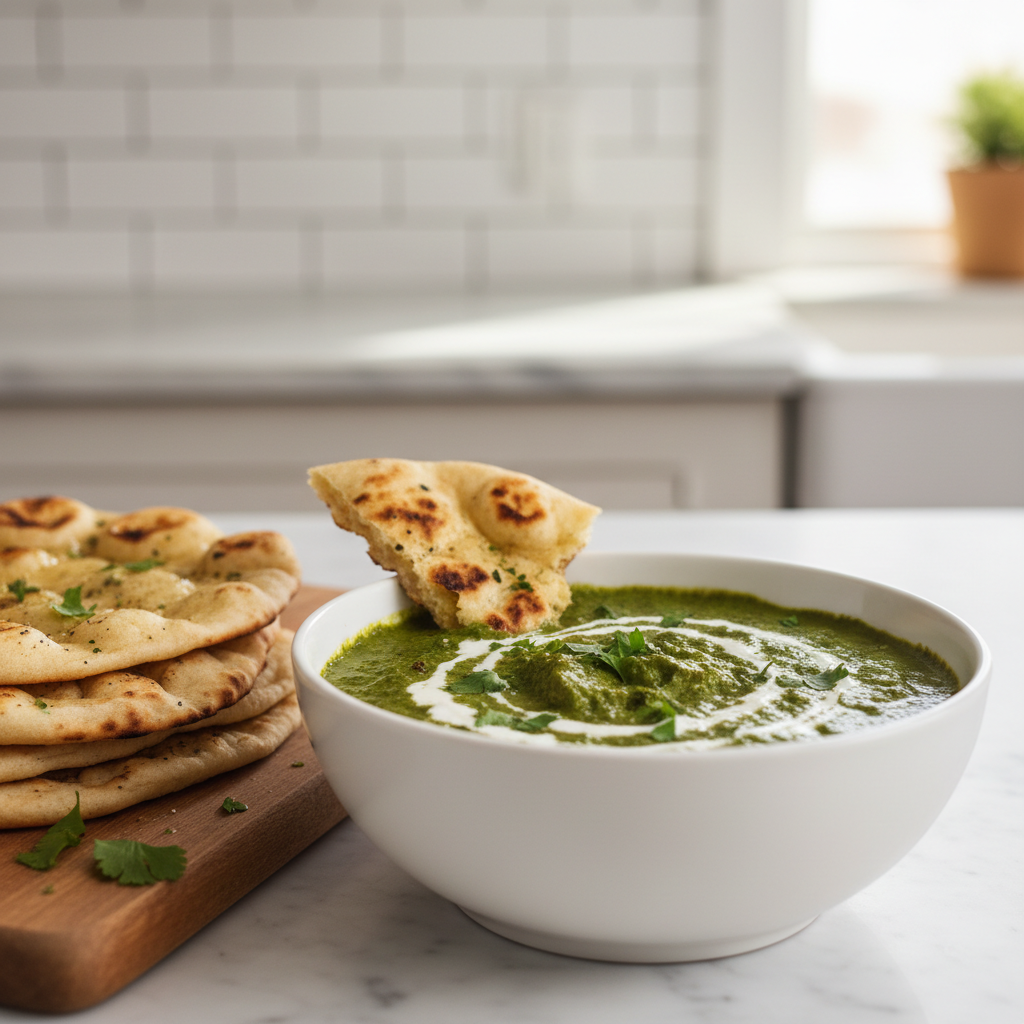
What “creamy” palak paneer really means (texture targets)
“Creamy” in palak paneer usually means the sauce looks glossy, coats a spoon, and feels smooth on the tongue, without tasting heavy or oily.
In practice, you’re aiming for three things:
- Silky spinach puree: no obvious bits of stem or fibrous spinach.
- Balanced thickness: thick enough to cling to paneer, not so thick it eats like paste.
- Round flavor: gentle sweetness from onion, warmth from spices, and minimal bitterness from greens.
Many restaurant versions get that creamy feel from a mix of technique (fine puree) and enrichment (a little cream, cashew paste, or yogurt added carefully).
Ingredients that actually affect creaminess
You can make palak paneer with lots of ingredient lists, but if your goal is how to make palak paneer recipe creamy, focus on the items that change texture, not just flavor.
Spinach: fresh vs frozen
- Fresh spinach tends to taste brighter, but it can turn watery if you blanch too long or don’t squeeze excess moisture.
- Frozen spinach is convenient and often consistent, but it must be thawed and squeezed well or the gravy thins out fast.
Paneer options (and what to do in the US)
- Store-bought paneer works well; cube it and pat dry.
- If you can’t find paneer, extra-firm tofu is the most reliable substitute for texture, though the flavor shifts.
- Some US stores carry “paneer-style” farmer cheese; it can melt or crumble more easily, so test a small piece first.
“Creamy” add-ins: pick one
- Heavy cream: easiest, most forgiving, mild flavor.
- Cashew paste: classic, adds body and a subtle sweetness; blend soaked cashews with a little water.
- Whole-milk yogurt: tangier and can split if boiled hard; add on low heat.
According to USDA FoodData Central... dairy products vary widely in fat and protein, which is why swapping cream for yogurt can change stability and “silkiness” in the pan.
The step-by-step method for a creamy palak paneer
This is the workflow that most consistently produces a smooth, restaurant-style sauce in a home kitchen.
1) Prep the spinach for bright color and less water
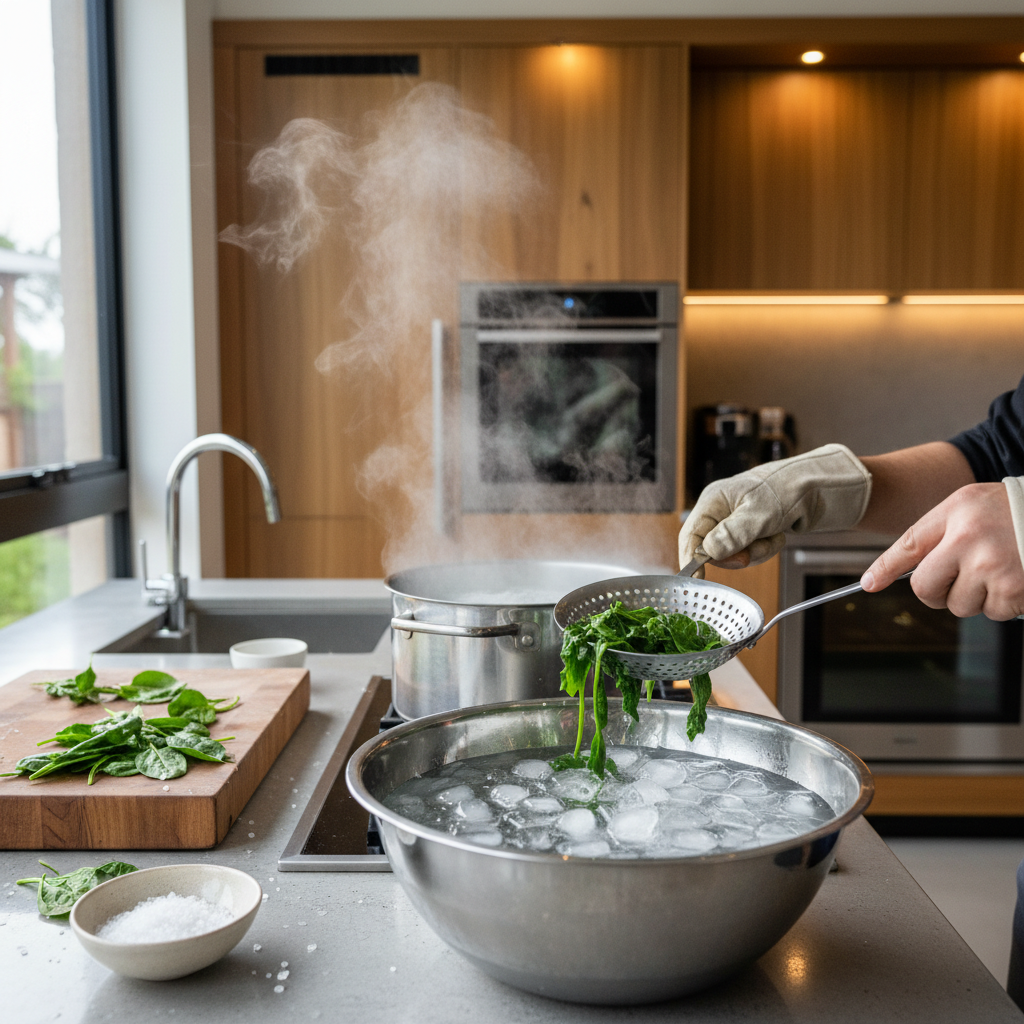
- Bring a pot of water to a boil, salt it lightly.
- Blanch spinach 30–60 seconds, just until wilted.
- Immediately move to an ice bath, then squeeze well.
That squeeze step is unglamorous, but it’s a big deal for anyone searching how to make palak paneer recipe creamy because it prevents the sauce from “breaking” into thin green water plus thick bits.
2) Build a flavorful base, then blend smooth
In a skillet, warm ghee or neutral oil, then cook finely chopped onion until translucent and lightly golden at the edges. Add ginger-garlic paste, then spices like cumin and garam masala.
Optional but helpful: a small tomato or a spoon of tomato paste can round out flavor, though too much pushes it toward “saag with tomato sauce,” so keep it subtle.
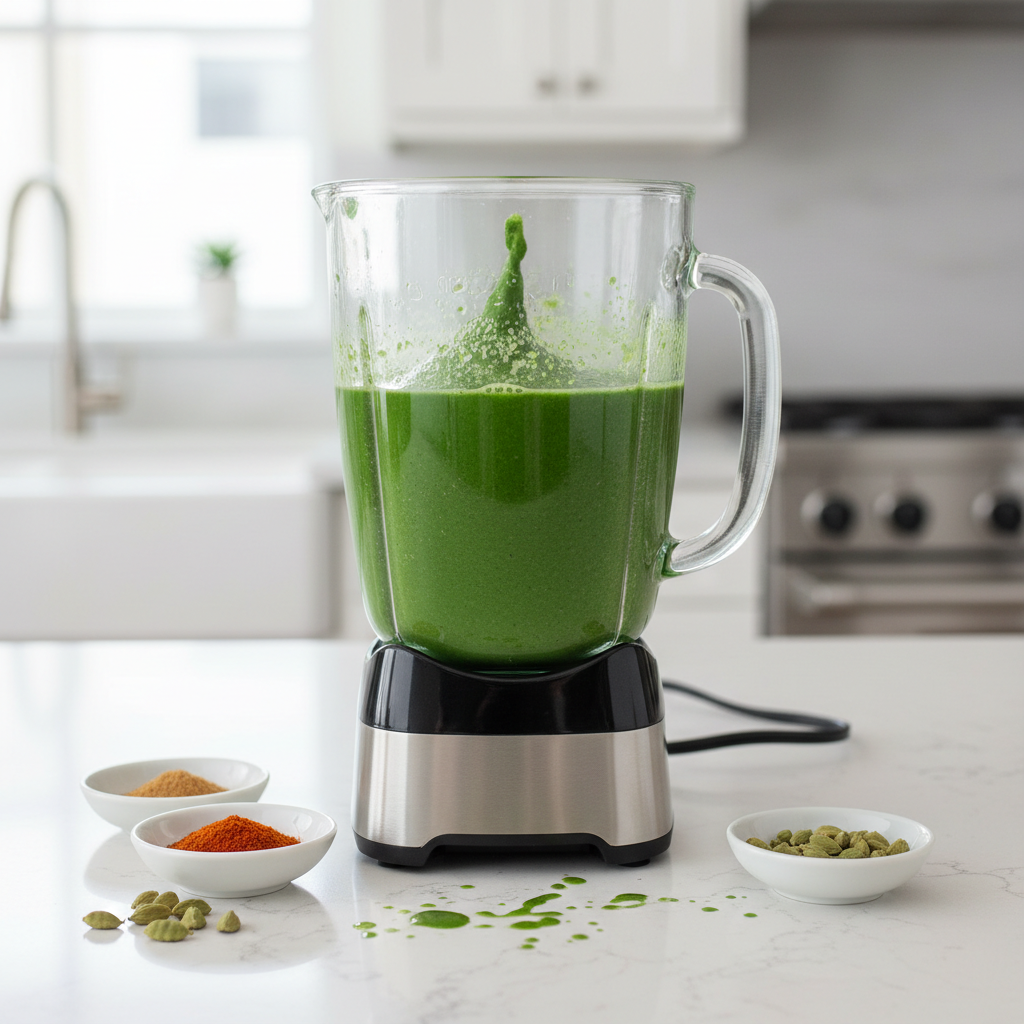
Blend your squeezed spinach with the cooked base until very smooth. If your blender struggles, add water by tablespoons, not splashes.
3) Simmer gently, then add your creamy element
- Return puree to the pan, simmer 3–5 minutes on low.
- Add cream or cashew paste and stir until glossy.
- Keep heat low, especially if using yogurt.
A common mistake is boiling after adding dairy. The sauce can get grainy or separate, and it stops reading as “creamy” even if it tastes fine.
4) Add paneer (and don’t overcook it)
Paneer can turn chewy if it sits too long in very hot sauce. Add cubes near the end, warm through, then stop. If you like, pan-sear paneer first for firmer edges, but that’s a preference.
Quick self-check: why your palak paneer isn’t creamy
If your pan looks wrong, it’s usually one of these, and you can often diagnose it fast.
- Watery sauce: spinach not squeezed, too much blending liquid, or simmer time too short.
- Grainy texture: blender not powerful enough, stems included, or dairy added on high heat.
- Bitter taste: older spinach, overcooking, or too much fenugreek leaves.
- Greasy mouthfeel: too much ghee/oil, or cream added plus extra fat finishing.
- Dull green color: blanch too long, skip ice bath, long high-heat simmer.
If you’re in the “watery + bitter” zone, it’s often a spinach handling issue, not your spice balance.
Fixes if it’s too thin, bitter, or bland (without starting over)
Realistically, most people land here the first couple times. Here are the fixes that don’t wreck the dish.
To thicken without gumminess
- Simmer uncovered on low, stirring often, 5–10 minutes.
- Blend in cashew paste (soaked cashews + water) for body.
- Add 1–2 tablespoons heavy cream plus a few minutes of gentle heat.
To reduce bitterness
- Add a small pinch of sugar or a splash of cream to round edges.
- Keep kasuri methi modest; too much can read sharp.
- Balance with salt and a little acid (lemon) at the end, not during hard simmer.
To boost flavor without overpowering the spinach
- Toast cumin briefly in fat before onions.
- Add ginger later if you want it brighter, earlier if you want it mellow.
- Finish with garam masala off-heat so it smells fresh, not flat.
Timing and heat: the part most recipes rush
If you only change one habit, change heat control. High heat makes spinach lose color and can make dairy behave badly.
- After blending: simmer low to remove raw spinach taste without boiling hard.
- After adding dairy: keep the sauce just below a simmer, no aggressive bubbling.
- After adding paneer: warm gently and stop, paneer doesn’t need “cooking.”
According to FDA... food safety guidance generally emphasizes keeping hot foods hot and avoiding long time in the temperature danger zone, so aim to serve shortly after finishing, and cool leftovers promptly. If you have specific health concerns, it’s smart to consult a qualified professional.
Mini reference table: creaminess options and what to expect
This quick table helps you choose the enrichment method that fits your taste and pantry.
| Method | Texture effect | Flavor effect | Best for |
|---|---|---|---|
| Heavy cream (1–3 tbsp) | Glossy, smooth, stable | Mild, rich | Fast, reliable creaminess |
| Cashew paste (2–4 tbsp) | Thicker, velvety | Slightly sweet, nutty | Restaurant-style body |
| Whole-milk yogurt (2–4 tbsp) | Creamy but can split if overheated | Tangy | Lighter feel, gentle tang |
Key takeaways (save this before you cook)
- Squeeze spinach well after blanching, watery greens are the #1 creaminess killer.
- Blend longer than you think, a silky puree is what reads creamy.
- Add cream, cashew, or yogurt on low heat, then avoid boiling.
- Paneer goes in at the end, warm it through and stop to avoid chewiness.
Conclusion: a creamy palak paneer is mostly technique, not extra ingredients
Once you understand how to make palak paneer recipe creamy, you stop chasing random “secret ingredients” and start getting consistent results from spinach prep, a smoother blend, and calmer heat. If you cook this often, it’s worth dialing in one enrichment method you enjoy, cream for simplicity or cashew for body, then repeat it until it feels automatic.
Try it once with the squeeze-and-blend approach, then tweak just one variable next time, like cashew paste versus cream, so you can actually taste what changed.