
Brussels sprouts roasted should taste nutty and caramelized with crisp edges, not steamed and sulfur-y, and the good news is you can usually fix that with a few small technique changes.
Most “not crispy” problems come down to moisture and crowding, plus an oven that never gets hot enough. If you’ve been blaming the sprouts themselves, you’re not alone, but it’s rarely the vegetable’s fault.
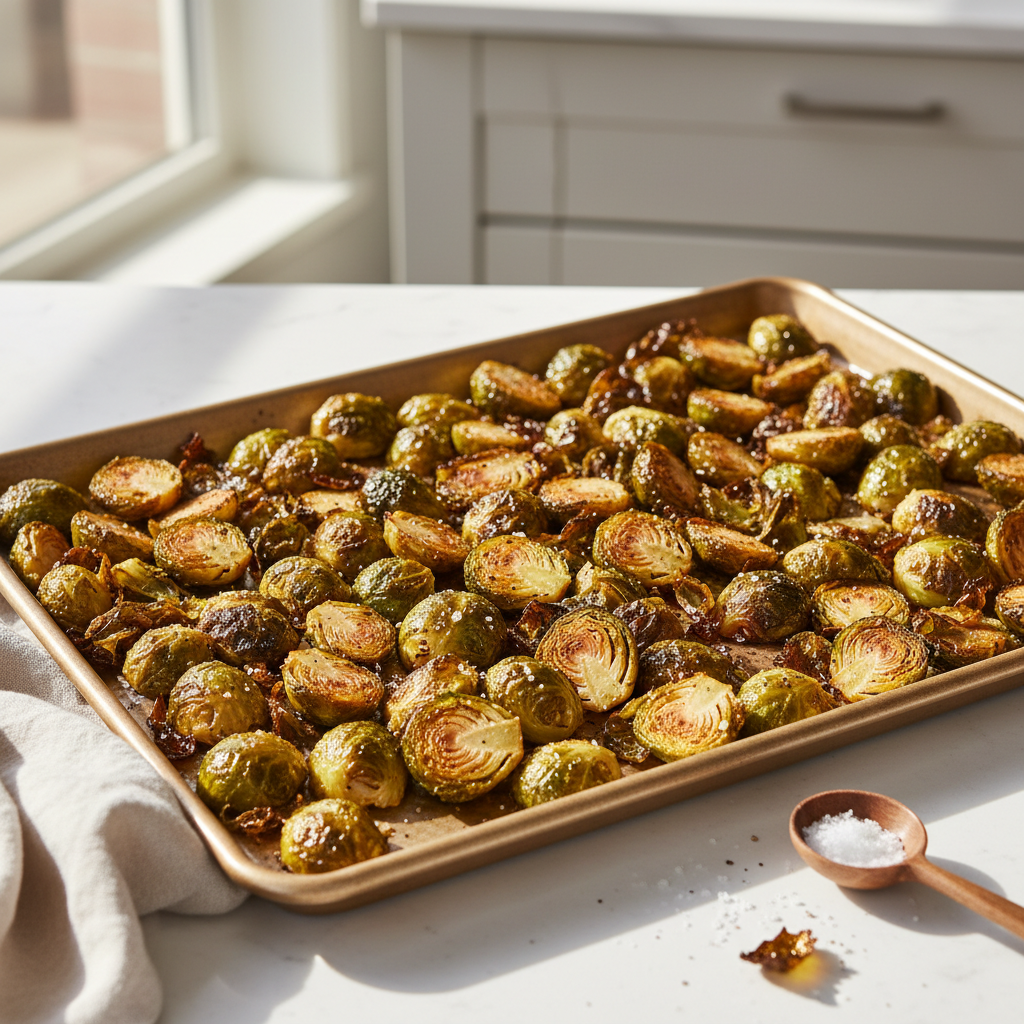
This guide keeps it practical: why crispiness fails, how to self-diagnose fast, and a repeatable method you can use for weeknights or holiday trays without babysitting the oven.
Why your Brussels sprouts aren’t getting crispy
Let’s be honest, “roasting” can accidentally turn into “steaming” in a home oven. These are the usual culprits.
- Too much surface moisture: washing right before roasting, not drying, or using frozen sprouts without managing water leads to soft results.
- Overcrowded pan: when sprouts touch, trapped steam prevents browning.
- Oven temp too low (or not fully preheated): browning needs heat, and many ovens run cooler than the dial says.
- Not enough oil, or oil added too late: oil helps heat transfer and browning, but it can’t fix a wet sprout.
- Cut size inconsistent: tiny halves burn while big pieces stay firm, then you pull the tray before all pieces crisp.
According to USDA Food Safety and Inspection Service, leftover cooked vegetables should be refrigerated within 2 hours, and reheating should reach 165°F for safety. It matters here because some people under-roast to “be safe” then hold the tray too long on the counter, which hurts texture and food safety at the same time.
Quick self-check: what’s most likely happening in your kitchen
Pick the statement that sounds most like your last attempt, then jump to the matching fix below.
- “They were wet when I tossed them” → drying and air time will matter more than extra oil.
- “The pan looked full” → you need two pans, or roast in batches.
- “They browned a little but stayed soft” → oven heat, pan choice, and cut side contact.
- “Edges burned before centers felt tender” → size uniformity, and possibly a lower rack position.
- “They tasted bitter or cabbage-y” → under-browning, old sprouts, or too much time at low heat.
If two or three bullets apply, go with the “base method” next, then tweak one variable at a time. Changing everything at once makes it hard to know what actually worked.
The reliable method for crispy brussels sprouts roasted at home
This is the version I’d hand to someone who wants consistent results without overthinking. It’s simple, but the order matters.
1) Prep for dryness and even cooking
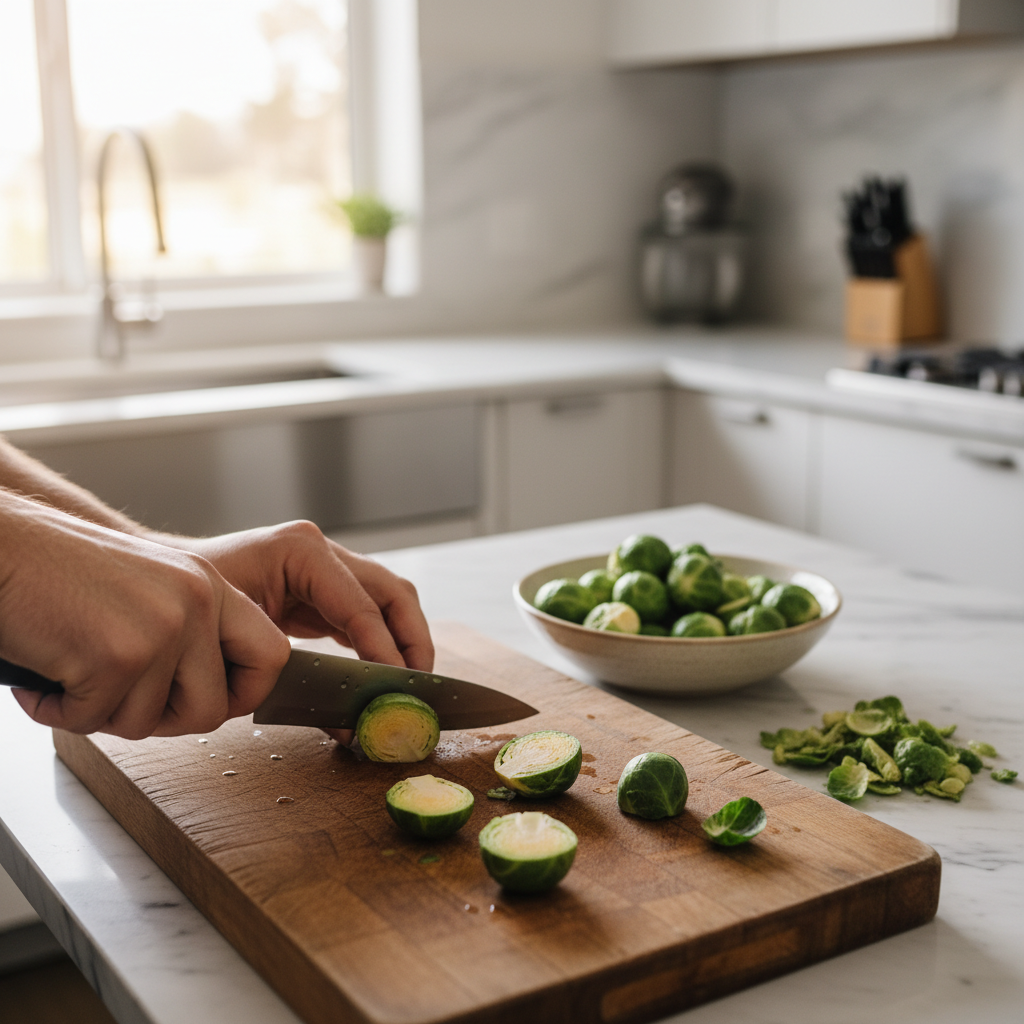
- Trim the stem end lightly, remove any yellow outer leaves.
- Halve medium sprouts; quarter large ones so sizes match.
- If you washed them, dry aggressively with towels, then let them sit 10 minutes to air-dry.
2) Heat and pan setup
- Preheat oven to 450°F (or 425°F if your oven runs hot).
- Use a heavy sheet pan (aluminum or steel). Thin pans can warp and brown unevenly.
- Optional but helpful: preheat the pan in the oven for 5 minutes, then add sprouts.
3) Season and arrange like you mean it
- Toss with oil and salt in a bowl, not on the tray, so everything coats evenly.
- Place sprouts cut side down, spaced out. If they’re touching, you’re steaming again.
- Add pepper later if you notice it scorching in your oven.
4) Roast time and turning
- Roast 15 minutes, then flip or stir once.
- Roast another 8–15 minutes until deep golden with crisp edges.
- Finish taste: salt, acid (lemon or vinegar), then any sweet/savory add-ons.
Key point: color is your friend. A pale sprout usually tastes more “cabbage” than “toasty.”
Timing, temperature, and texture: a simple reference table
Ovens vary, sprouts vary, and even your pan changes things. Use this as a starting point, then adjust by what you see on the tray.
| Sprout size | Cut | Oven temp | Typical time | What “done” looks like |
|---|---|---|---|---|
| Small | Whole or halved | 450°F | 18–25 min | Browned leaves, tender core |
| Medium | Halved | 450°F | 22–30 min | Flat side caramelized, crisp edges |
| Large | Quartered | 425–450°F | 28–38 min | Even browning, no raw crunch |
| Frozen | Halved (if possible) | 450°F | 30–45 min | Dry surface, browned spots, not watery |
Practical upgrades: flavors that match crispy edges
Once you get the texture right, seasoning gets fun. Keep it balanced: salt + fat + acid, then one “bonus” note.
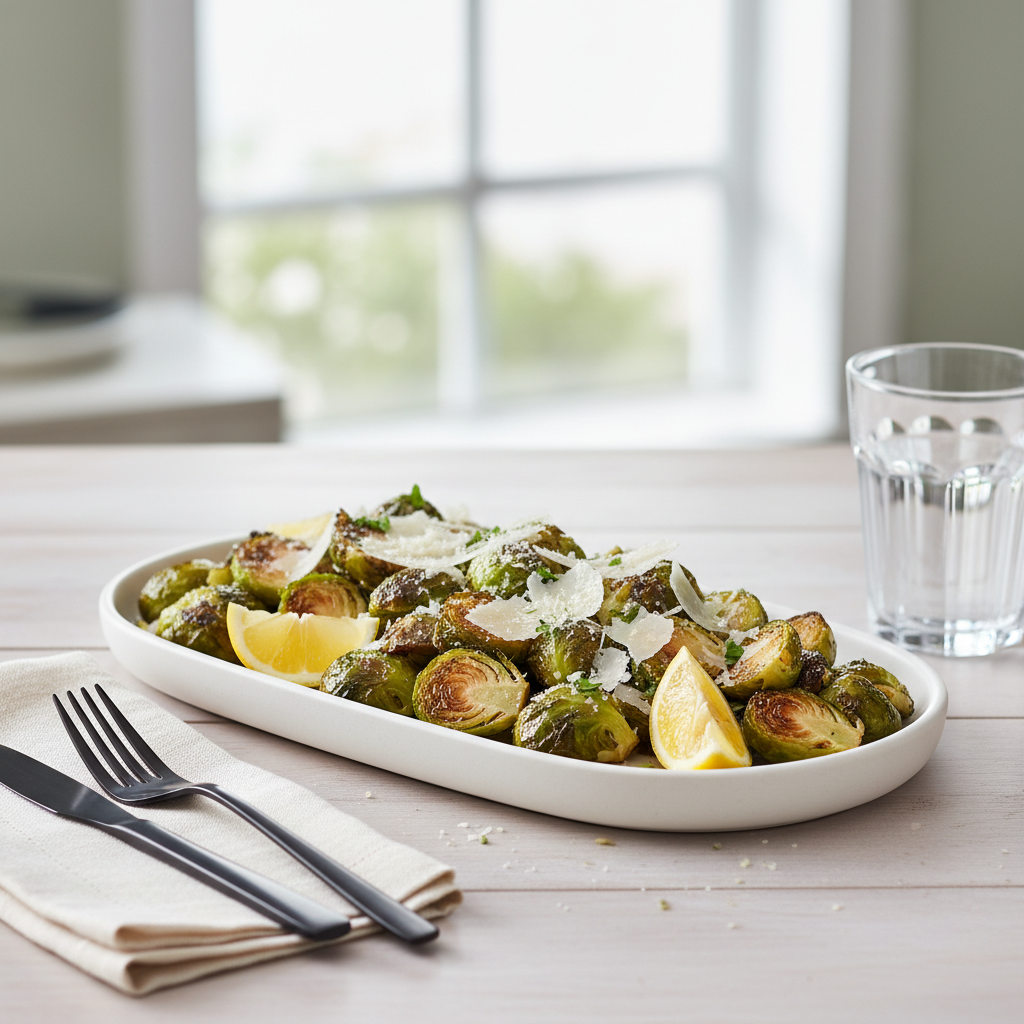
- Classic: lemon zest, lemon juice, flaky salt.
- Sweet-salty: drizzle of maple syrup after roasting, plus toasted pecans.
- Umami: grated Parmesan or pecorino right out of the oven.
- Spicy: chili crisp or red pepper flakes, added at the end to avoid burning.
- Smoky: smoked paprika and a little garlic powder (light hand, they can scorch).
If you’re adding bacon, roast it separately or start it on the tray first, then add sprouts once some fat renders. Otherwise the sprouts sit in lukewarm grease and miss the crisp window.
Common mistakes (and the fixes that actually work)
Some advice sounds right, but doesn’t help much in real kitchens. These fixes tend to move the needle.
- Mistake: using a glass baking dish
Fix: switch to a metal sheet pan for faster browning and less steaming. - Mistake: salting way ahead and letting sprouts sit
Fix: salt right before roasting, or you’ll pull moisture out and fight sogginess. - Mistake: “one big tray for everyone”
Fix: use two trays and rotate positions halfway through for even roasting. - Mistake: too much flipping
Fix: let the flat side sear; one flip is usually enough for crisp edges. - Mistake: adding sweet glazes early
Fix: add honey or maple near the end so it doesn’t burn before sprouts finish.
Key takeaways you can remember without a recipe card: dry sprouts, hot oven, space on the pan, and real browning.
When to consider dietary or safety adjustments
Roasted vegetables are simple, but people’s needs differ. If you’re adjusting for health or allergies, a couple notes help.
- Lower sodium: reduce salt slightly, then rely more on acid and spices for “pop.” If you have a medical sodium restriction, it’s smart to check with a clinician or dietitian.
- Higher smoke point oil: at 450°F, oils like avocado or refined olive oil may be less prone to smoking than extra-virgin in some kitchens.
- Food safety: if you’re serving a crowd, keep hot food hot, and refrigerate leftovers promptly. According to USDA Food Safety and Inspection Service, reheat leftovers to 165°F.
Conclusion: getting crisp is mostly about moisture and space
Once you treat brussels sprouts roasted as a high-heat, dry-surface cooking job, they stop being unpredictable. Start with dry, evenly cut sprouts, give them room on a hot sheet pan, and roast until you see deep golden color.
If you want one action step today, it’s this: use two sheet pans when you’re tempted to crowd one, the texture payoff is immediate.
FAQ
How do I keep roasted Brussels sprouts crispy after cooking?
They crisp best right out of the oven, but you can hold them 10–15 minutes on the sheet pan in a warm oven (around 200°F) with a little airflow. Covering tightly traps steam and softens the edges.
Why are my Brussels sprouts roasted but still bitter?
Bitterness often shows up when sprouts don’t brown enough, or when the sprouts are older. Pushing for deeper caramelization and finishing with lemon or vinegar usually balances the flavor.
Can I make crispy roasted Brussels sprouts with frozen sprouts?
Yes, but manage moisture. Roast at high heat, avoid overcrowding, and expect a longer cook time. If they release lots of water, drain the pan carefully halfway through, then keep roasting to brown.
Should I boil Brussels sprouts before roasting for crispiness?
Usually no. Parboiling can help tenderness with very large sprouts, but it adds water you must dry off thoroughly, otherwise you lose the crisp edge.
What’s the best cut for crisp edges: halved or shredded?
Halved sprouts give you that cut-side “sear” and crisp leaves. Shredded sprouts can get crunchy too, but they go from browned to burnt faster, so they need closer watching.
Why do my sprouts burn on the outside and stay hard inside?
That usually means the pieces are too large or uneven. Quarter the big ones, keep sizes consistent, and consider dropping to 425°F if your oven runs hot while extending time slightly.
How much oil do I need for roasting Brussels sprouts?
Enough to lightly coat, not drown. If the bowl looks dry and patchy, add a bit more; if oil pools on the tray, you may get greasy, soft spots instead of crisp ones.
If you’re cooking for a busy week and want a more “set it and forget it” approach, it can help to write your personal baseline right on the recipe: your oven temp, your pan type, and your typical roast time, because consistency beats chasing perfect every single batch.