
The best apple pie recipe from scratch is the one that gives you a flaky crust, a filling that tastes like apples (not just sugar), and slices that actually hold their shape without turning gluey.
If your pies tend to go wrong in the same two spots, you’re not alone: crust can bake up tough or pale, and the filling can swing from watery to jammy fast. Apple pie looks simple, but small choices like apple variety, slice thickness, and how you thicken matter more than most recipes admit.
This guide focuses on repeatable technique, not gimmicks. You’ll get a dependable crust method, a filling formula that adjusts to the apples you have, and bake cues you can trust even if your oven runs a little hot.
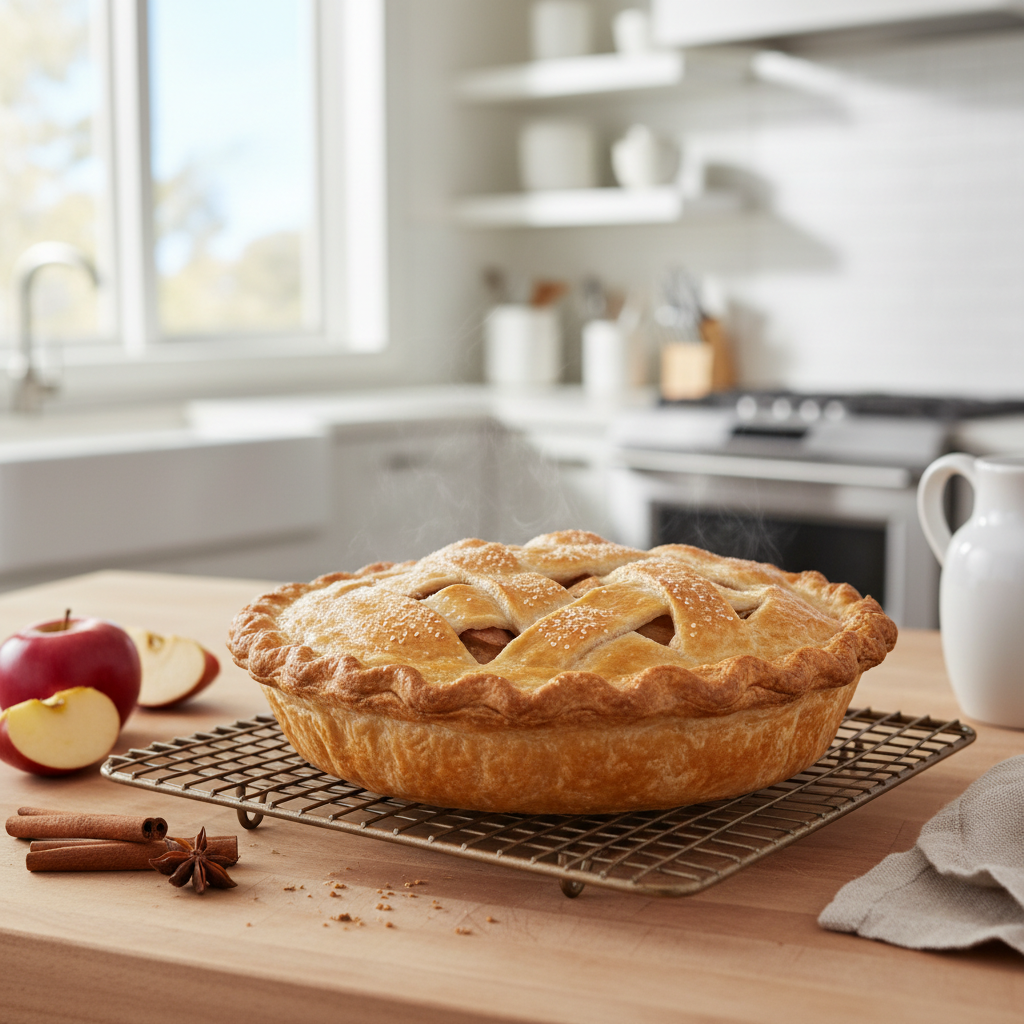
What makes a truly great apple pie (and what usually ruins it)
Most “amazing” pies come down to three basics done well: cold fat in the crust, apple flavor balance in the filling, and enough heat to fully bake the bottom.
- Soggy bottom: Underbaked crust, too much liquid in filling, or baking on a sheet that never gets hot.
- Runny filling: Apples release water, especially if sliced thin or mixed early and left sitting.
- Mushy apples: Some varieties collapse; others hold their shape better when baked.
- Tough crust: Overworking dough, too much flour when rolling, or warm butter.
According to USDA Food Safety and Inspection Service (FSIS), baked goods should be handled with basic food safety in mind, including keeping perishable ingredients like butter cold and not leaving prepared fillings out too long at room temperature.
Ingredients that matter most (and smart substitutions)
You don’t need fancy ingredients, but you do need the right ones. Here’s what typically moves the needle.
Best apples for structure and flavor
A mix usually tastes better than a single variety. Many bakers lean on one “structure” apple and one “aroma” apple.
- Great structure: Honeycrisp, Granny Smith, Pink Lady
- Sweeter, softer: Fuji, Gala (often better as part of a mix)
- Good middle ground: Jonagold, Braeburn
If you only have one kind, don’t panic, just adjust sugar and thickener a bit after you taste the raw mix.
Thickeners and why cornstarch isn’t always enough
- Cornstarch: Clear, glossy, can turn looser if underbaked.
- All-purpose flour: Slightly cloudy, forgiving, classic texture.
- Tapioca starch: Often sets nicely and stays stable after cooling.
For many home ovens, tapioca or flour can be more forgiving than cornstarch alone, especially if you tend to slice early.
Best apple pie recipe from scratch (crust + filling + bake)
This version aims for a classic 9-inch pie, double crust. Read once before starting, because timing is half the battle.
Equipment
- 9-inch pie dish (glass or metal)
- Sheet pan (to catch drips and boost bottom heat)
- Rolling pin, mixing bowls, pastry cutter or fingers
- Kitchen scale is helpful, not mandatory
Pie dough (double crust)
- 2 1/2 cups (300g) all-purpose flour
- 1 tsp kosher salt
- 1 tbsp sugar
- 1 cup (226g) unsalted butter, very cold, cubed
- 6–10 tbsp ice water (as needed)
Method: Mix flour, salt, sugar. Cut in cold butter until you see pea-size pieces plus some flatter flakes. Drizzle in ice water a tablespoon at a time, tossing gently, until the dough holds together when squeezed. Divide into two disks, wrap, chill at least 1 hour.
Apple filling
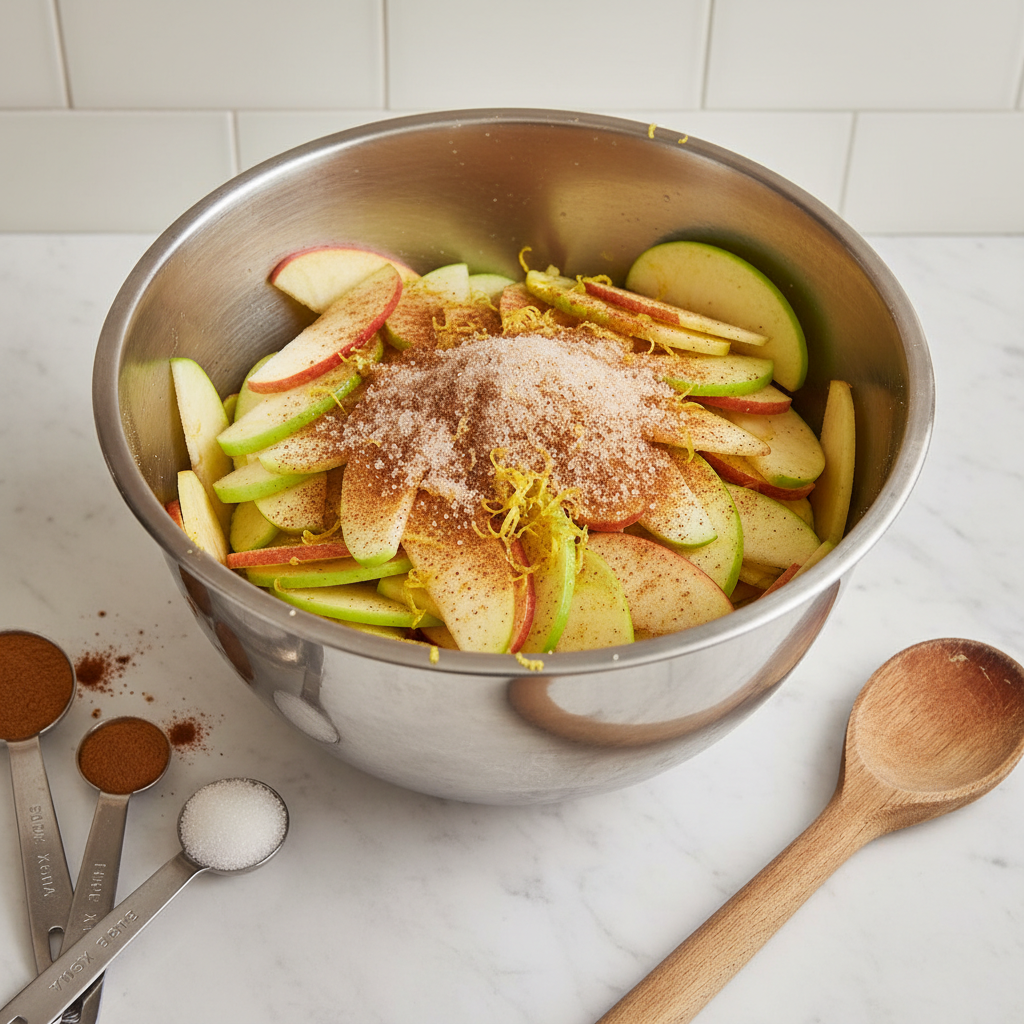
- 3 lb apples (about 6–7 medium), peeled and sliced 1/4 inch thick
- 2/3 cup (130g) sugar, adjust to taste
- 2 tbsp lemon juice
- 1 1/2 tsp cinnamon
- 1/4 tsp nutmeg (optional)
- 1/4 tsp salt
- 3 tbsp tapioca starch (or 4 tbsp flour)
- 1 tsp vanilla extract (optional)
- 2 tbsp butter, small pieces (for dotting)
Method: Toss apples with lemon juice. Mix sugar, spices, salt, thickener, then coat apples. Taste a slice: it should taste a little brighter and slightly sweeter than you want the final pie to be, because baking mutes sweetness.
Assemble and bake
- Heat oven to 425°F. Put a sheet pan on the middle rack to preheat.
- Roll bottom crust, fit into dish, chill 10 minutes.
- Pile apples high (they shrink), dot with butter.
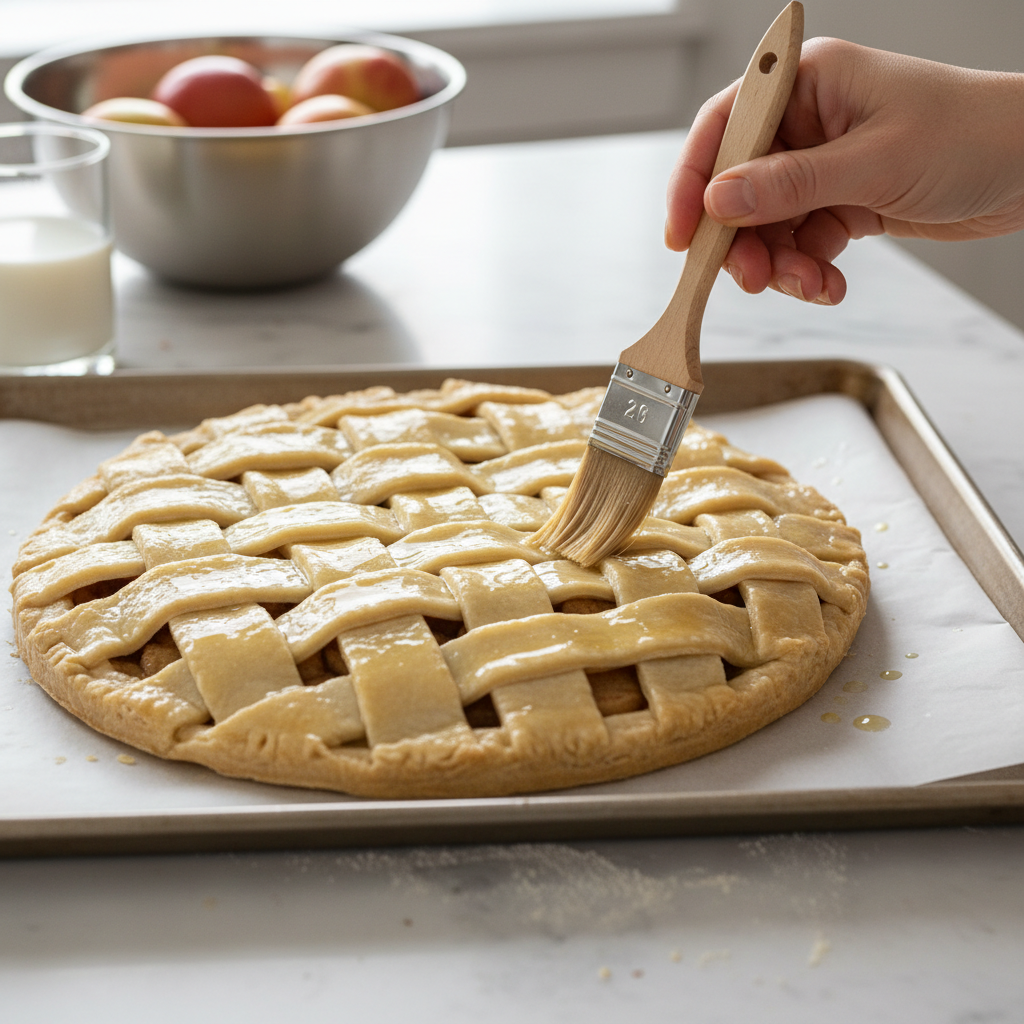
- Add top crust (lattice or full), seal, cut vents if full top. Brush with egg wash if you like, sprinkle a little sugar.
- Bake 20 minutes at 425°F, then reduce to 375°F and bake 35–50 minutes more, until juices bubble thickly at the center vents and crust is deep golden.
Let the pie cool at least 3 hours before slicing, this is where a lot of “runny pie” problems resolve on their own.
A quick troubleshooting table (so you don’t have to guess)
If your last pie disappointed you, find the symptom and fix the cause instead of swapping to a random new recipe.
| Problem | Likely cause | What to do next time |
|---|---|---|
| Soggy bottom crust | Not enough bottom heat, filling too wet | Preheat sheet pan, bake longer, use glass/metal dish, thicken properly |
| Filling runs everywhere | Underbaked, sliced too soon, too little thickener | Wait for strong bubbling, cool 3+ hours, adjust starch |
| Apples turn mushy | Apple variety too soft, slices too thin | Use firmer apples, cut 1/4 inch slices, shorten bake only if crust done |
| Crust is tough | Overmixed dough, warm butter, too much flour while rolling | Stop mixing earlier, chill more, flour lightly and brush excess off |
| Burnt edges, pale center | Uneven oven heat | Use foil ring after browning, rotate once, bake until center bubbles |
Self-check: are you in the “crust problem” camp or the “filling problem” camp?
Before you change everything, figure out where the failure starts. This quick check keeps you from fixing the wrong thing.
- If the bottom is pale even when the top is brown, you need more heat under the pie.
- If juice pools only after slicing, your pie probably needed more bake time or more cooling time.
- If the crust shrinks during baking, dough was warm or stretched when fitted.
- If the filling tastes flat, it usually needs more salt, lemon, or a better apple mix, not more cinnamon.
Practical upgrades that feel “2026” without being fussy
You don’t have to reinvent apple pie, but a few modern habits make it more reliable.
Use a scale if you want consistency
Flour compacts, cups don’t. If your crust varies week to week, weighing flour and butter often fixes that quietly.
Preheat the baking surface
Preheating a sheet pan is a simple way to push heat into the bottom crust. A preheated pizza steel also works if you already own one, but it’s not required.
Let the filling sit briefly, then adjust
Mix apples, wait 10 minutes, then look for liquid in the bowl. If you see a lot, add another 1/2–1 tbsp thickener, especially with very juicy apples.
Key takeaways (bookmark these)
- Cold dough and minimal handling keep crust flaky.
- Apple choice changes texture more than spice changes flavor.
- Bubbling in the center is your real doneness signal, not the clock.
- Cooling time is part of the recipe, not an optional wait.
Conclusion: make it once, then tailor it to your kitchen
The best apple pie recipe from scratch isn’t about chasing a secret ingredient, it’s about controlling temperature, moisture, and bake cues so the pie behaves. Start with the method above, take notes on your apples and your oven, and tweak one variable at a time.
If you want an easy next step, bake this exact pie once, then on your second attempt change only the apple blend or the thickener, you’ll learn faster and waste fewer weekends on “mystery pie” outcomes.