
Pesto recipe fresh is the quickest way to get that bright, herby, restaurant-level flavor at home, but it also happens to be easy to mess up, bitter greens, oily separation, or a sauce that turns brown before dinner hits the table.
This guide keeps it practical: what to buy, what to swap if you don’t have pine nuts, how to blend for the texture you want, and how to store it so it tastes good tomorrow too.
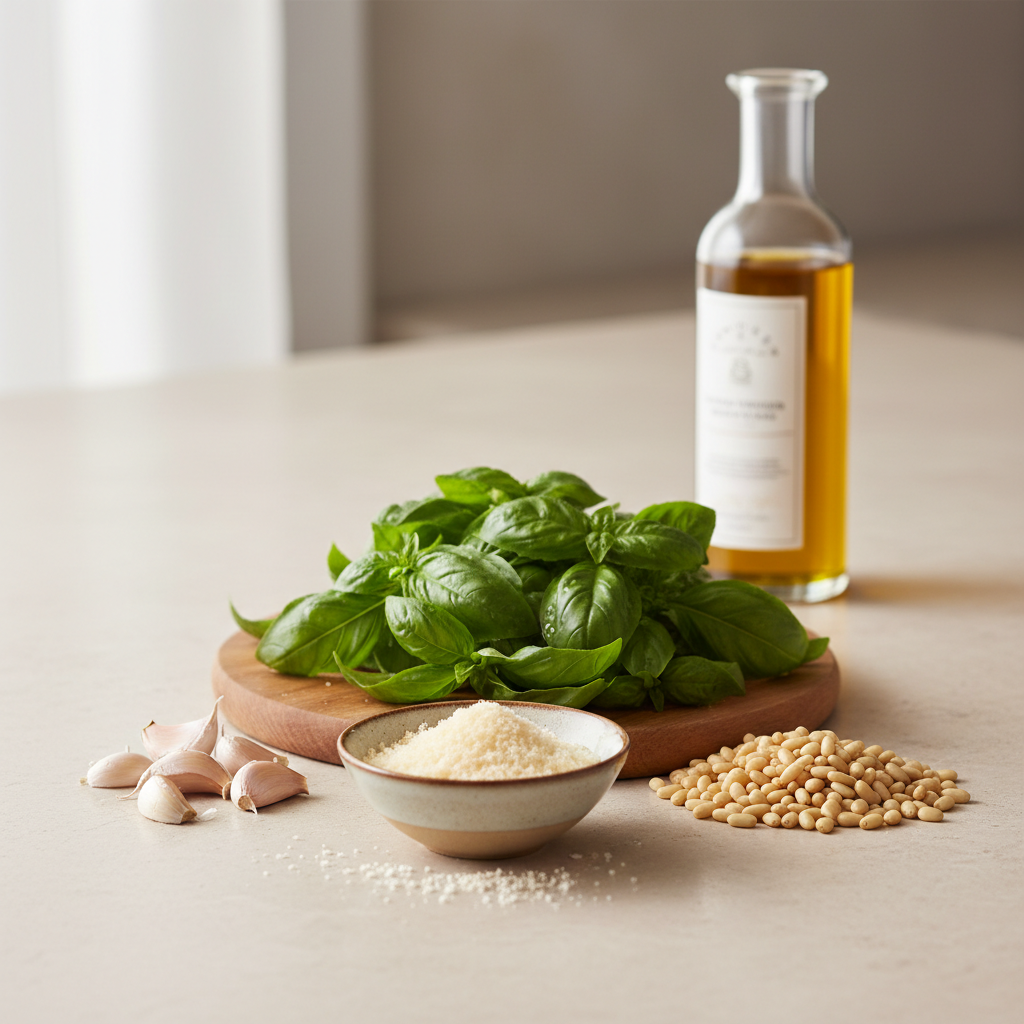
One quick note before we start: you can make pesto in a food processor, blender, or even by hand with a mortar and pestle. The “best” method depends on how silky you want it and how much time you feel like spending.
What makes a truly fresh basil pesto (and why some taste “off”)
Good pesto tastes like basil first, then nutty richness, then savory cheese, with olive oil tying everything together. When it tastes “off,” it’s usually one of these real-world issues.
- Basil that’s tired: wilted leaves bring less aroma and more muddy flavor.
- Over-blending: too much heat and bruising can push bitterness and dull the green.
- Olive oil choice: very peppery oil can be great, but in some batches it overwhelms basil.
- Cheese balance: too much aged cheese can take over, too little makes the sauce taste thin.
According to the USDA, fresh basil should be handled and stored properly to maintain quality and reduce spoilage risk, so if your basil looks slimy or smells “fermented,” it’s a pass, not a rescue project.
Ingredients and smart swaps (so you can still cook tonight)
Classic Genovese-style pesto keeps the ingredient list short, which means each item matters. Here’s a flexible setup that still tastes like the real thing.
Core ingredients
- Fresh basil: tender leaves, minimal stems.
- Garlic: 1 small clove for mild, 2 for punchier.
- Nuts: pine nuts are traditional, but not mandatory.
- Hard cheese: Parmesan or Pecorino (or a mix).
- Extra-virgin olive oil: choose one you enjoy straight.
- Salt and optional lemon juice for lift.
Swap table (taste impact + best use)
| Swap | What changes | Works best for |
|---|---|---|
| Pine nuts → walnuts | More earthy, can lean bitter if old | Sandwiches, roasted veggies |
| Pine nuts → almonds | Cleaner, slightly sweet | Pasta, chicken, grain bowls |
| Parmesan → Pecorino | Saltier, sharper | Hearty pastas, potatoes |
| All basil → basil + baby spinach | Milder, greener color, less basil intensity | Meal prep, kid-friendly pesto |
| Olive oil → part avocado oil | Less peppery, more neutral | When olive oil feels “too loud” |
Pesto recipe fresh (homemade) — the method that stays bright
This pesto recipe fresh aims for bold flavor and a spoonable texture that clings to pasta without turning into an oily puddle.
What you’ll need: food processor (or blender), spatula, microplane or grater.
- 2 packed cups fresh basil leaves (about 2 to 3 ounces, varies)
- 1 small garlic clove (or 2 if you like it assertive)
- 1/3 cup pine nuts (or almonds/walnuts)
- 1/2 cup grated Parmesan (or Parmesan + Pecorino)
- 1/2 cup extra-virgin olive oil, plus a splash if needed
- 1/4 to 1/2 tsp kosher salt, to taste
- 1 to 2 tsp lemon juice (optional, helps lift flavor)
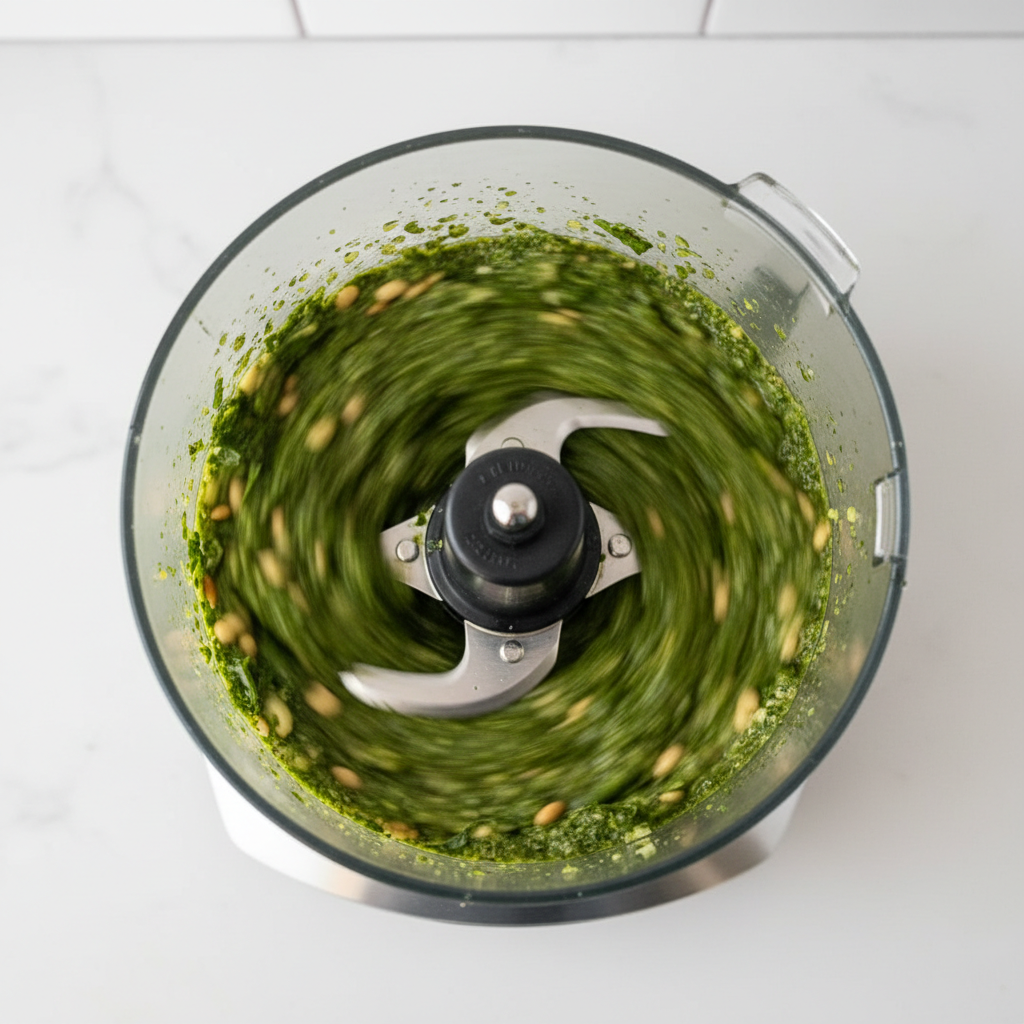
Step-by-step:
- Toast nuts lightly (optional): 3 to 5 minutes in a dry skillet until fragrant, then cool. This deepens flavor, but skipping is fine when you want extra “green” freshness.
- Pulse nuts + garlic: short pulses until chopped, scrape down the bowl.
- Add basil + salt: pulse again, just until the leaves break down. Don’t run it continuously yet.
- Add cheese: pulse a few times to combine.
- Stream in olive oil: run the processor on low while pouring slowly, stop when it looks creamy and cohesive.
- Finish: taste, then adjust salt and a small squeeze of lemon if it tastes flat.
Texture call: if you want a looser sauce for pasta, add 1 to 3 tablespoons warm pasta water when tossing, not inside the processor.
Quick self-check: why your pesto turned bitter, brown, or bland
If your batch disappointed you, it’s usually not your “skills,” it’s one specific lever that went too far.
- Bitter: nuts were old or over-toasted, garlic was large/sharp, or basil got overworked in the blender.
- Brown: basil oxidized (air + time), or pesto sat warm; sometimes the top layer just needs stirring.
- Too thick: not enough oil, or too much cheese; fix at serving time with pasta water.
- Oily separation: oil added too fast, or you used very warm ingredients; scrape, pulse briefly, then chill.
- Bland: under-salted, cheese too mild, or basil quantity was low for the oil level.
According to the FDA, refrigerated foods should be kept cold to slow bacterial growth, so if pesto sits out for a long stretch at room temp, it’s safer to discard rather than gamble.
How to use fresh pesto without wasting any
Most people default to pasta, then stop there. Fresh pesto does more when you treat it like a finishing sauce, not a long-simmer sauce.
- Pasta: toss off-heat with a splash of pasta water for a glossy coat.
- Sandwiches: spread thin, then add tomato or roasted peppers to keep it from tasting too dense.
- Eggs: a small spoon on scrambled eggs or a frittata after cooking.
- Proteins: brush on chicken or shrimp after grilling, not before, so basil doesn’t scorch.
- Roasted vegetables: finish potatoes, cauliflower, or zucchini while hot.
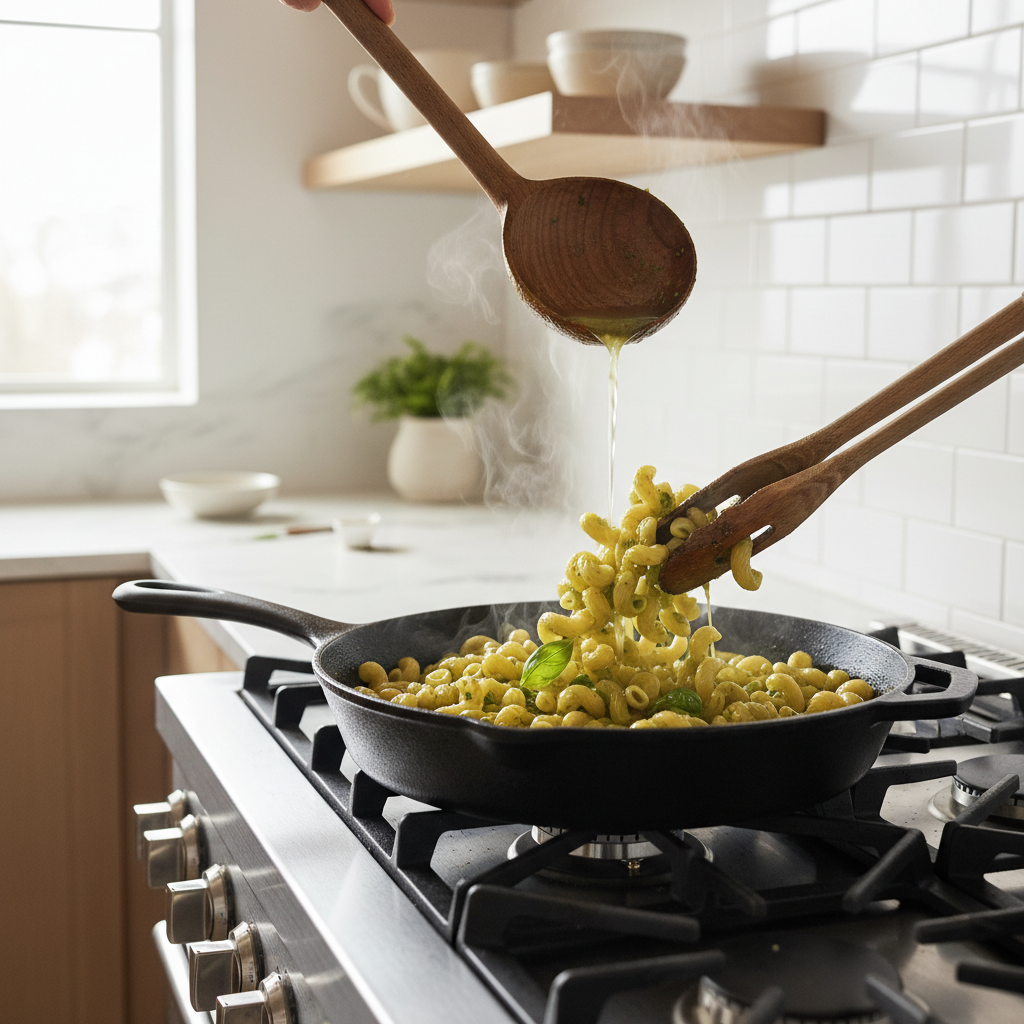
Key point: heat is the enemy of basil’s fresh flavor. Warm the food, then add pesto at the end.
Storage, freezing, and food-safety reality checks
Pesto keeps well, but only if you store it like something fresh, because it is.
- Fridge (short-term): store in a clean jar, press plastic wrap directly on the surface, then close the lid. A thin olive-oil layer on top can help reduce browning.
- Freezer (best for leftovers): freeze in ice cube trays, then move cubes to a freezer bag. Thaw what you need.
- Color: a little darkening is common. Stir, taste, then decide if it still feels worth using.
According to the USDA, refrigeration and proper storage practices help maintain food quality and safety; if you have concerns about how long a homemade sauce sat out, it’s reasonable to consult a food-safety professional source or discard it.
Heads-up for garlic in oil: garlic-and-oil mixtures can raise safety questions in some contexts, especially with low-acid storage. Keep pesto refrigerated, freeze for longer storage, and avoid storing at room temperature.
Common mistakes (the small ones that ruin a great batch)
- Using wet basil: rinse basil if you must, but dry it very well or your sauce can turn watery.
- Dumping in oil fast: stream it slowly so the sauce emulsifies instead of separating.
- Going heavy on garlic: one huge clove can dominate; start small and adjust.
- Over-salting early: cheese adds salt. Taste at the end.
- Cooking pesto: simmering dulls basil fast, you usually want it as a finishing touch.
Conclusion: a fresh pesto you’ll actually want to make again
If you want pesto that tastes “alive,” focus on decent basil, controlled blending, and finishing the dish with pesto instead of cooking it hard. Make a batch, freeze a few cubes, and next time dinner feels boring, you’ll have a fast fix sitting in your freezer.
If you cook pasta this week, try this: toss pesto off-heat with a splash of pasta water, then taste before adding extra cheese, that one small habit prevents most bland batches.
FAQ
How do I keep homemade pesto from turning brown?
Minimize air contact and keep it cold. Press plastic wrap onto the surface in the jar, and consider a thin olive-oil layer on top. Some browning is normal, but the flavor should still be fresh.
Can I make a pesto recipe fresh without pine nuts?
Yes, and it’s common in home kitchens. Almonds are a clean-tasting swap, walnuts are budget-friendly but can taste slightly bitter if they’re old, so taste a nut first.
Is a blender or food processor better for basil pesto?
A food processor usually gives more control and less heat buildup. A blender can work, but you may need to stop and scrape more often, and keep pulses short to avoid bitterness.
Why does my pesto taste bitter even when I follow a recipe?
Bitterness often comes from old nuts, aggressive garlic, or over-processing basil. Try fresher nuts, start with a smaller clove, and pulse instead of running the machine continuously.
Should I toast the nuts for pesto?
Toasting adds depth, but it can mute the ultra-fresh “green” edge. If you’re making pesto for pasta in the summer, many people prefer untoasted nuts for a brighter finish.
How long does homemade pesto last in the fridge?
It varies by handling and temperature, but generally it’s a short-window sauce. If it smells sour, looks slimy, or you’re unsure how long it sat out, it’s safer to discard and make a new batch.
Can I freeze pesto with cheese in it?
You can, and many home cooks do. Texture may change slightly when thawed, so stirring well helps; if you’re picky, freeze without cheese and add cheese after thawing.
What’s the easiest way to thin pesto for pasta?
Use warm pasta water a tablespoon at a time while tossing off-heat. It helps the sauce cling and keeps the flavor balanced better than adding extra oil.
If you’re making fresh pesto often and want it to come out consistent, it helps to treat it like a simple ratio recipe: basil for aroma, nuts for body, cheese for savory depth, oil for flow, then adjust at the bowl with salt and pasta water instead of overworking it in the processor.