
Teriyaki recipes don’t need fancy ingredients or hours of prep, but they do need the right balance of salty, sweet, and shine so the sauce clings instead of pooling on the plate. If your teriyaki keeps turning out watery, overly sugary, or tasting like straight soy sauce, you’re not alone.
This guide sticks to classic, simple teriyaki you can actually repeat on a weeknight: a core sauce formula, a few reliable cooking methods, and small tweaks that change the result more than you’d expect. I’ll also call out the mistakes that usually cause bitter garlic, burned sugar, or rubbery chicken.
Along the way you’ll get a quick comparison table, a doneness checklist, and a handful of variations that still taste “classic” even when you’re using what’s already in your pantry.
What “Classic Teriyaki” Really Means (and Why It’s Easy to Miss)
In many American kitchens, “teriyaki” becomes shorthand for any sweet soy glaze. Classic teriyaki is tighter than that: a soy-forward sauce, sweetened and reduced until glossy, then used to coat grilled or pan-seared protein. The technique matters as much as the ingredients.
According to the USDA Food Safety and Inspection Service (USDA FSIS), safe cooking temperatures vary by protein, which matters for teriyaki because you often reduce sauce in the same pan and need enough heat to thicken without overcooking the meat. The goal is a quick sear plus a short glaze phase, not a long simmer that dries everything out.
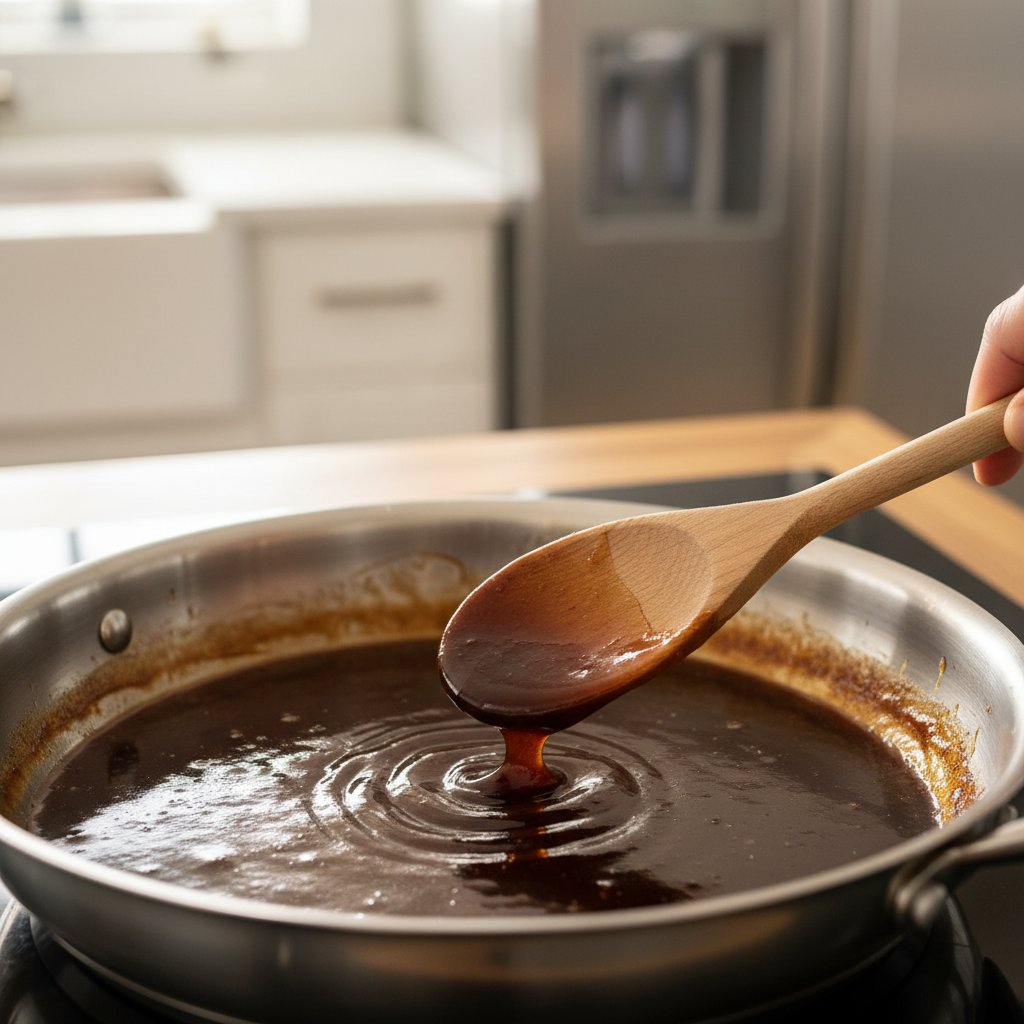
One more reality check: restaurant teriyaki can be sweeter and thicker because it’s designed to hold up under heat lamps and travel. At home, you can keep it cleaner, less sticky, and still get that signature lacquered finish.
The Core Teriyaki Sauce Formula (Simple, Repeatable)
If you want teriyaki recipes you can improvise, memorize a ratio instead of a single recipe. This is the baseline that usually tastes “right” to most palates, then you adjust by a spoonful at a time.
Base sauce (about 3/4 cup)
- 1/2 cup soy sauce (regular, not low-sodium if you want classic punch)
- 1/4 cup mirin (adds sweetness plus a mellow, rounded flavor)
- 2–3 tbsp sugar (start with 2, go up if you like it more glossy/sweet)
- 1–2 tsp grated fresh ginger (optional, but very common)
- 1 small garlic clove, grated (optional, go light to avoid bitterness)
How to use it: simmer 3–6 minutes to reduce slightly, or add it to a hot pan at the end and reduce briefly while spooning over the protein. Many teriyaki recipes fail because the sauce never reduces, so it tastes thin and salty.
Thick or not? Classic-style teriyaki thickens by reduction, not by cornstarch. Cornstarch works and can be convenient, but it shifts the texture toward a “stir-fry glaze” feel. If you do use it, keep it subtle.
Quick Comparison Table: Choose a Method That Fits Your Night
Different teriyaki recipes are really different workflows. Pick the one that matches your time and equipment, because forcing the wrong method often causes sticking, scorching, or under-reduction.
| Method | Best for | Texture | Common pitfall |
|---|---|---|---|
| Pan-sear + glaze | Chicken thighs, salmon, tofu | Glossy, sticky edges | Sauce burns if heat stays too high |
| Grill + brush | Chicken, steak, skewers | Smoky, caramelized | Brushing too early causes flare-ups and bitterness |
| Oven broil finish | Sheet-pan dinners | Fast char + glaze | Broiler turns glaze from glossy to burnt in seconds |
| Slow simmer (not ideal) | Meatballs, shredded chicken | Soft, saucy | Protein dries out while sauce reduces |
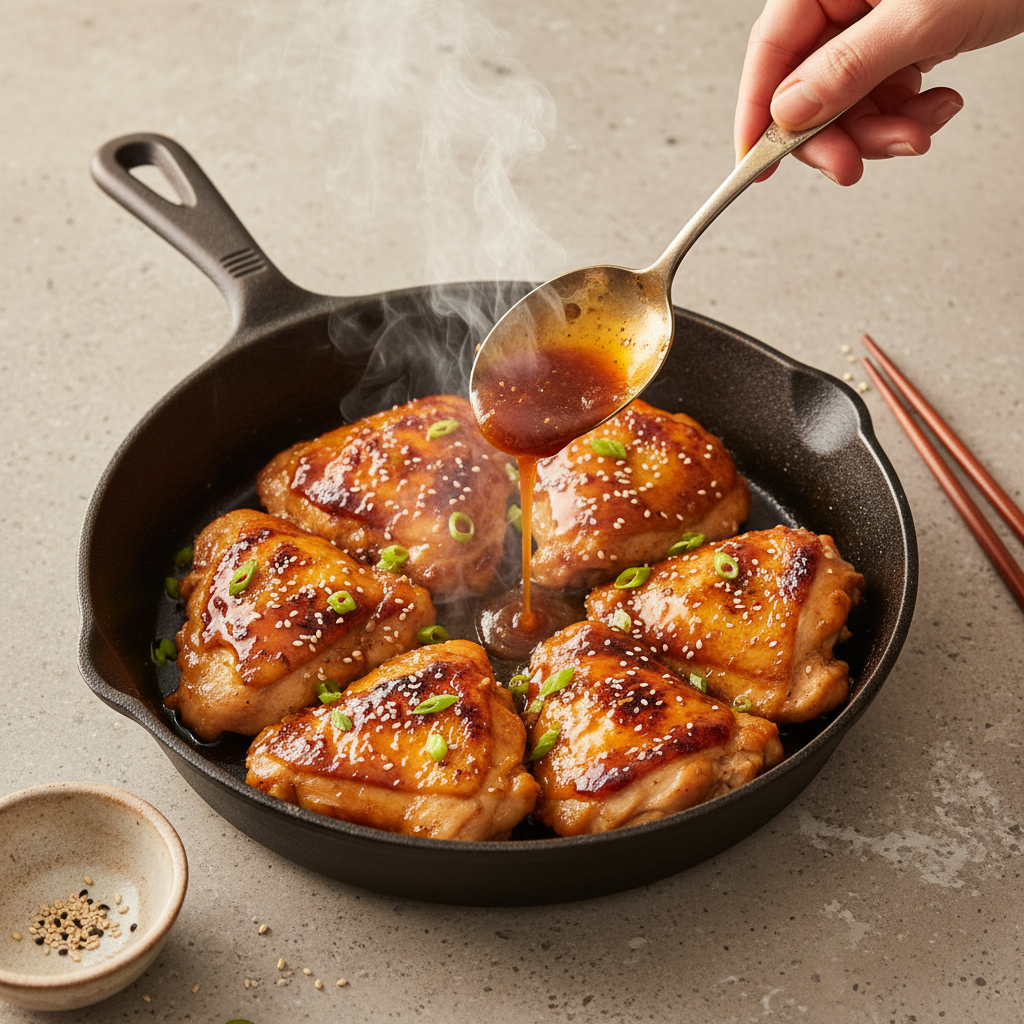
3 Classic Teriyaki Recipes (Simple Versions That Still Taste Legit)
Below are three “default” builds. They share the same sauce idea, but the timing changes everything. If you only learn one, do the chicken thigh version, it’s forgiving.
1) Classic Chicken Teriyaki (pan-seared thighs)
- Protein: boneless, skinless chicken thighs (more forgiving than breasts)
- Season: light salt and pepper, no heavy marinades needed
- Sear: medium-high heat, 4–6 minutes per side until browned
- Glaze: lower heat to medium, pour in sauce, simmer 2–4 minutes while turning chicken and spooning glaze
Key point: pull chicken when it hits safe doneness, then let the sauce finish reducing around it. Overcooked chicken plus thick sauce tastes like a punishment.
2) Salmon Teriyaki (fast glaze, no sugar burn)
- Pat salmon dry, lightly oil the surface
- Sear in a nonstick or well-seasoned pan, skin-side down first if skin-on
- When salmon is nearly done, remove it to a plate
- Add teriyaki sauce to the hot pan, reduce 60–120 seconds, then return salmon briefly to coat
Why this works: fish cooks quickly; reducing sauce with salmon in the pan the whole time often leads to overdone edges and a bitter glaze.
3) Tofu Teriyaki (crispy outside, glossy finish)
- Use extra-firm tofu, press briefly if you can
- Cut into slabs or cubes, coat lightly with cornstarch for crisping
- Pan-fry until golden, then pour off excess oil
- Add sauce and reduce just until it clings, 1–3 minutes
Small upgrade: add a splash of water if the glaze tightens too quickly, tofu needs a few seconds longer to get evenly coated.
Self-Check: Why Your Teriyaki Keeps Going Wrong
If your past teriyaki recipes disappointed you, it’s usually one of these practical issues, not a lack of “authentic” ingredients.
- Watery sauce: not enough reduction time, or you added it while the pan wasn’t hot
- Too salty: low reduction plus too much soy, or using low-sodium and compensating with more volume
- Too sweet: using pre-sweetened mirin-style seasoning plus added sugar
- Bitter glaze: garlic burned in hot oil, or sugar scorched at high heat
- Meat feels tough: heat too high for too long, especially with chicken breast
Quick fix mindset: adjust in teaspoons, not splashes. Teriyaki is concentrated, small changes swing the flavor fast.
Practical Tips That Make Teriyaki Taste “Restaurant-Glossy”
These are the moves that experienced home cooks tend to rely on, even when the ingredient list stays basic.
- Use a separate pot for sauce when learning: you control reduction without guessing what’s happening under the meat.
- Reduce at a lively simmer, not a raging boil: boiling hard increases scorch risk and can taste harsh.
- Stop glazing earlier than you think: sauce thickens a little more as it cools.
- Finish with sesame seeds or scallions: not for decoration, they add fresh contrast to a sweet-salty glaze.
Key takeaways: high heat for sear, medium heat for glaze, and short reduction windows keep teriyaki bright instead of burnt.
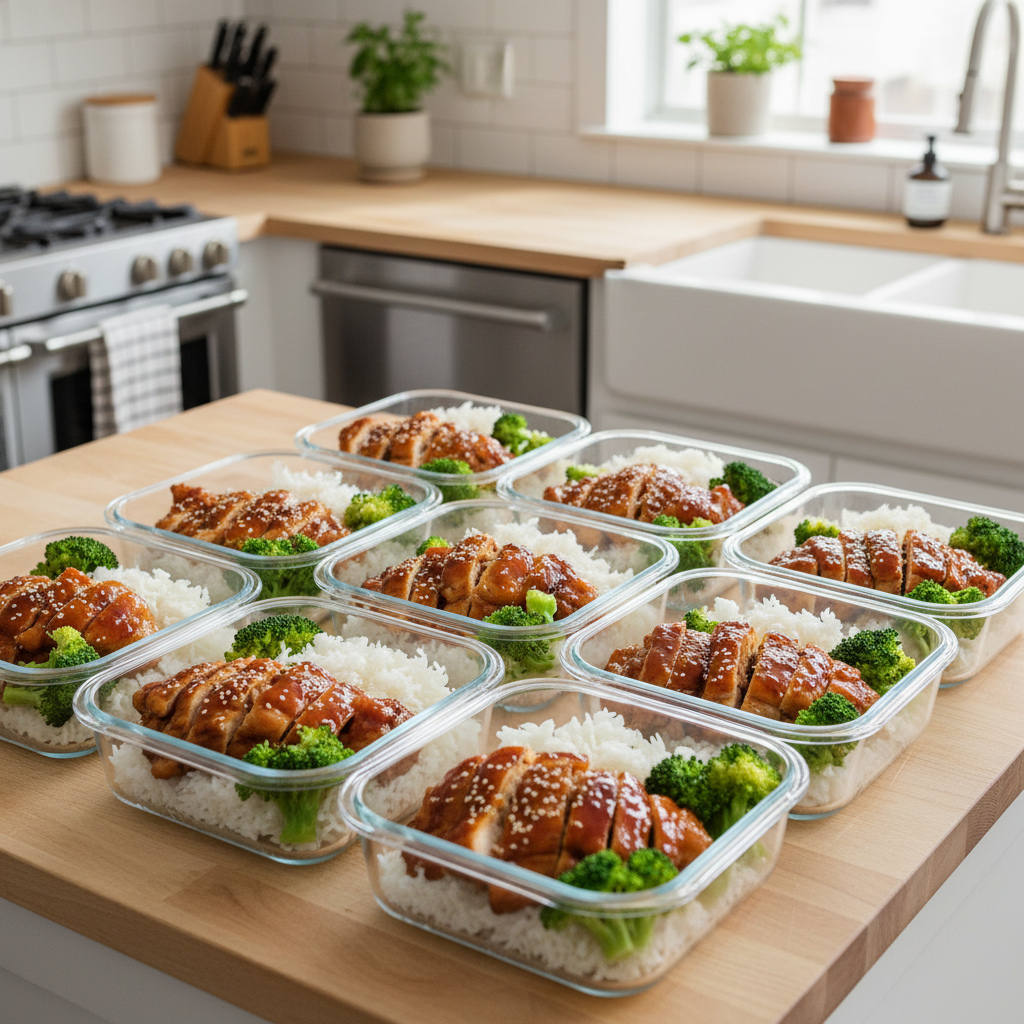
Meal Prep + Storage: Keep It Tasty, Not Soggy
Teriyaki recipes can be great for leftovers, but the sauce can turn sticky, then thin again after reheating. A couple of small choices help.
- Store sauce separately when possible, then reheat and toss right before eating.
- Reheat gently on the stove with a tablespoon of water to loosen the glaze.
- Vegetables on the side: steamed broccoli or snap peas stay brighter if they’re not sitting in sauce overnight.
For food safety, follow standard refrigeration guidelines and reheat thoroughly. According to USDA FSIS, leftover handling and safe reheating practices reduce foodborne illness risk; if you’re unsure about timing or storage temps, it’s worth checking their current guidance.
Common Mistakes and “Fixes” That Usually Backfire
A few popular hacks sound helpful but often make classic teriyaki worse, especially if your goal is clean flavor and a shiny coat.
- Marinating for hours in full-strength sauce: can turn meat overly salty and muddy. A shorter, lighter marinade tends to taste cleaner.
- Adding lots of honey: burns faster than granulated sugar and can dominate the flavor.
- Thickening early with cornstarch: the sauce can go gummy before the protein is coated. If using starch, add at the end.
- Cooking garlic in the pan first: easy to scorch; mixing it into the sauce is safer.
If you want extra complexity, add it with ginger, a small splash of rice vinegar, or toasted sesame oil off heat, not by loading the sauce with sweeteners.
Conclusion: A Simple Classic You Can Repeat
The best teriyaki recipes feel almost boring while you cook them: sear well, reduce briefly, glaze with intention, then stop before the sauce turns dark and bitter. Once you have the base ratio in your head, you can swap chicken for salmon, tofu, or vegetables without starting over each time.
If you cook teriyaki this week, do one practical thing: make the sauce in a small pot once, taste it, then glaze in the pan. That single step clears up most “why doesn’t mine taste right?” problems.
FAQ
What’s the easiest teriyaki sauce if I don’t have mirin?
You can use a mix of soy sauce plus a small amount of sugar, and add a splash of rice vinegar for brightness. It won’t be identical, but many teriyaki recipes still come out satisfying if you reduce it to a glossy texture.
Can I use low-sodium soy sauce for teriyaki?
Yes, and it can be helpful if you’re sensitive to salt. The tradeoff is flavor intensity, so you may need a slightly longer reduction or a touch more sweetness to keep balance.
Why does my teriyaki sauce crystallize or turn grainy?
That usually happens when sugar concentration gets high and the sauce reduces too far. Back it off the heat earlier next time, and if it happens, whisk in a tablespoon or two of warm water to smooth it out.
Is cornstarch “wrong” in teriyaki recipes?
Not wrong, just a different texture. If you want a classic lacquer from reduction, skip it. If you need speed for a weeknight stir-fry, a small slurry can be practical.
How do I keep teriyaki from burning in the pan?
Glaze at medium heat and keep the sauce moving. Sugar scorches quickly, so treat the glazing step as a short finish, not the main cooking phase.
What protein works best for beginners?
Chicken thighs are forgiving because they stay juicy under a stronger sear. Chicken breast can work, but timing matters more, and it’s easier to dry out.
Can I bake teriyaki chicken instead of pan-frying?
Yes, but bake the chicken most of the way first, then brush on sauce near the end and finish quickly. If you coat too early, the sugar can darken too much before the chicken is done.
How long does homemade teriyaki sauce keep?
It varies by handling and storage, but many people refrigerate it for several days in a clean, sealed container. If it smells off or shows changes you can’t explain, skip it and make a fresh batch.
If you’re trying to build a small rotation of weeknight teriyaki recipes, it can help to write your preferred sauce ratio on a note in your kitchen, then tweak one variable at a time until it matches your taste, less sweet, more ginger, or a slightly looser glaze for rice bowls.