
smoothie recipes healthy can be a genuinely solid breakfast, but only if they keep you full, steady your energy, and don’t turn into a sneaky sugar bomb.
A lot of “breakfast smoothies” taste great and still leave you hungry at 10 a.m., usually because they’re light on protein and fiber, or heavy on juice, sweetened yogurt, and big fruit portions.
Below you’ll get a simple build-your-own formula, a quick troubleshooting checklist, and a set of breakfast-friendly blends you can rotate through without overthinking it. I’ll also share practical prep tips, because the best recipe is the one you’ll actually make on a weekday.
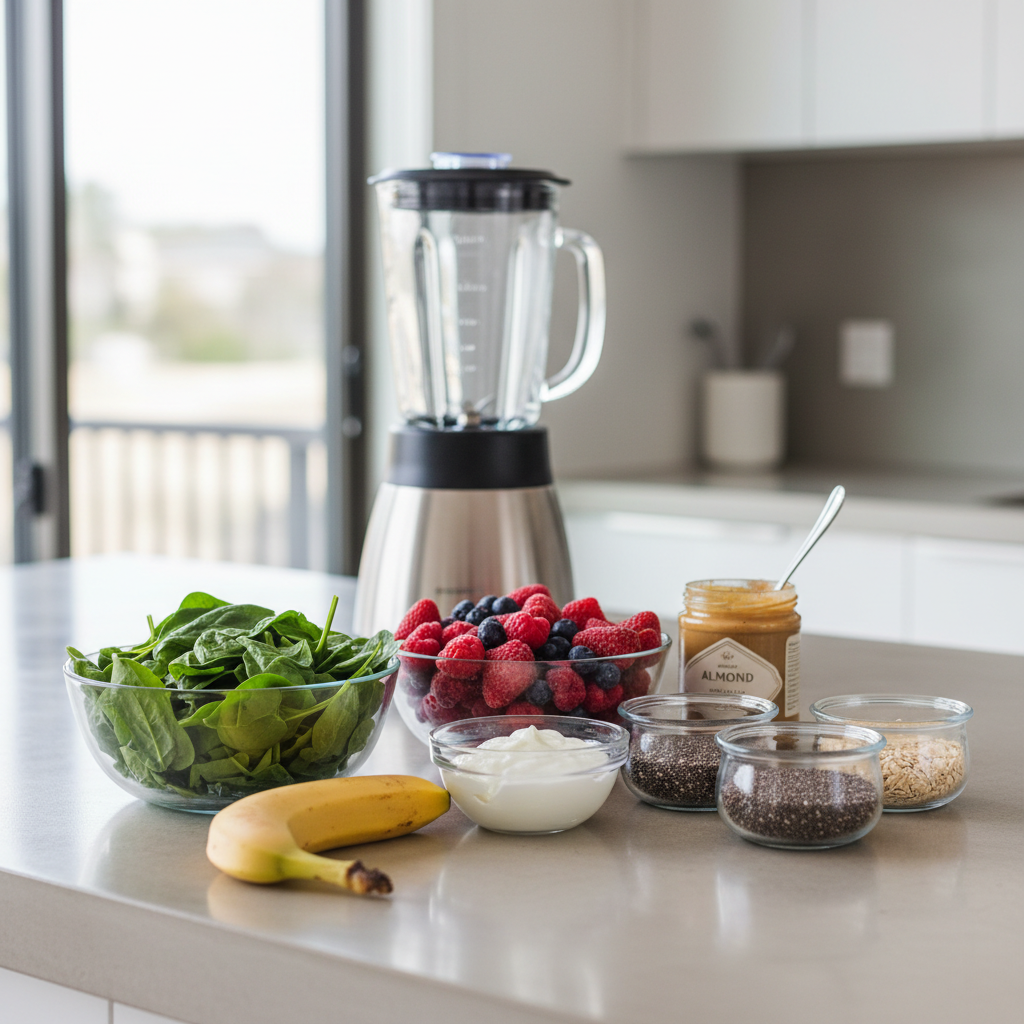
What makes a breakfast smoothie “healthy” in real life
“Healthy” depends on your goals, but breakfast smoothies tend to work best when they hit three basics: protein, fiber, and reasonable sugar. If one of those is missing, cravings often show up fast.
According to the Dietary Guidelines for Americans, a healthy pattern emphasizes nutrient-dense foods like fruits, vegetables, whole grains, and lean protein, while limiting added sugars. A smoothie can match that pattern, but it won’t automatically, the ingredient choices do the heavy lifting.
- Protein: helps with satiety, many people feel better aiming for a meaningful protein hit at breakfast (needs vary by person).
- Fiber: slows digestion and supports fullness, easiest sources are berries, chia/flax, oats, and leafy greens.
- Fat: a little goes a long way for staying power, think nut butter, avocado, hemp, or yogurt.
- Carb quality: whole fruit beats juice, and “a little banana” is different from “two bananas plus juice.”
The easiest formula: build your smoothie in 5 parts
If you only remember one thing, remember this: most breakfast blends fail because they’re built like dessert. This structure keeps you closer to a meal.
1) Liquid base (8–12 oz)
- Unsweetened dairy milk, soy milk, or pea-protein milk for extra protein
- Unsweetened almond/oat milk if you prefer lighter calories (watch added sugar)
- Kefir for a tangy, drinkable texture
2) Protein (20–35 g, adjust as needed)
- Greek yogurt or skyr
- Cottage cheese (blends surprisingly smooth)
- Protein powder (whey, soy, pea), choose a low-added-sugar option
- Silken tofu for a neutral, creamy base
3) Fiber + carbs (1–2 cups produce + optional oats)
- Berries, cherries, apples, pears
- Spinach or kale (start with a handful)
- Rolled oats (2–4 tbsp) for “actual breakfast” vibes
4) Healthy fats (1–2 tbsp)
- Chia or ground flax
- Nut butter or tahini
- Avocado (about 1/4)
5) Flavor and micronutrients
- Cinnamon, vanilla, cocoa, ginger, turmeric
- Lemon juice or zest to brighten greens
- Pinch of salt to make flavors pop (especially with cocoa/peanut butter)
Quick self-check: why your smoothie doesn’t keep you full
If you feel hungry soon after, it’s usually one of these. Skim the list and you’ll probably recognize your pattern.
- Too much fruit, not enough protein: tastes great, crashes later.
- Juice as the base: easy way to spike sugar without adding fiber.
- “Low-fat” everything: can be fine, but many people need some fat for satiety.
- Portion mismatch: you made a snack but expected a meal.
- Hidden sweeteners: sweetened yogurt, flavored milks, sweet protein powders.
- No fiber booster: skipping oats, chia, flax, or berries makes it thinner and less filling.
When in doubt, upgrade one thing: add a real protein source, then add a fiber booster. Most “smoothie recipes healthy” variations become breakfast-ready with those two moves.
Healthy breakfast smoothie recipes (easy rotations)
Each recipe below is written like a template, so you can swap ingredients without breaking the balance. If you manage blood sugar or have a medical condition, you may want to check with a clinician or dietitian for personalized targets.
1) Berry Greek Yogurt “Stay-Full” Smoothie
- 1 cup unsweetened milk (dairy or soy)
- 3/4 cup plain Greek yogurt
- 1 to 1 1/2 cups frozen mixed berries
- 1 tbsp chia seeds
- Cinnamon + vanilla
Editor’s note: If it’s too tart, sweeten lightly with a few dates or a small splash of maple syrup, not a whole glass of juice.
2) Green Apple Protein Smoothie (not “too green”)
- 1 cup water or unsweetened almond milk
- 1 scoop protein powder (unflavored or vanilla)
- 1 small apple (or 3/4 cup sliced, with skin)
- 1 big handful spinach
- 1 tbsp ground flax
- Lemon juice + pinch of salt
Flavor trick: lemon and a tiny pinch of salt make spinach taste fresher, not grassy.
3) Peanut Butter Banana Oat Smoothie (gym-friendly)
- 1 cup milk of choice
- 1/2 banana (frozen works best)
- 2–4 tbsp rolled oats
- 1–2 tbsp peanut butter
- Greek yogurt or protein powder for protein
- Cocoa powder (optional)
This is the one people unintentionally over-calorie, peanut butter is dense, measure once or twice until you know your “right” spoonful.
4) Coffee Breakfast Smoothie (for busy mornings)
- 3/4 cup cold coffee
- 3/4 cup milk of choice
- Greek yogurt or protein powder
- 1 cup frozen cauliflower rice (yes, really, it disappears)
- 1 tbsp almond butter
- Vanilla + cinnamon
According to the FDA, many healthy adults can tolerate moderate caffeine, but individual sensitivity varies, if coffee makes you jittery, go half-caff or decaf.
5) Tropical “Calm Stomach” Smoothie
- 1 cup kefir or yogurt + water to thin
- 1 cup frozen mango or pineapple
- 1/2 cup cucumber
- Fresh ginger (small piece)
- 1 tbsp chia seeds
If you deal with reflux, citrus and large portions can be triggers, this is one of those times where “healthy” is personal.
Swap table: customize without ruining the balance
If you want variety, swapping within a category is safer than improvising randomly. Use this as a quick map.
| Goal / Situation | What to add | What to limit |
|---|---|---|
| Stay full longer | Greek yogurt, chia, oats | Juice, sweetened add-ins |
| Lower sugar feel | Berries, greens, cinnamon | Large banana portions, honey |
| Higher protein breakfast | Skyr, cottage cheese, whey/pea protein | Relying on nut butter alone |
| More calories for active days | Oats, nut butter, avocado | Going “all fruit” and calling it a meal |
| Dairy-free | Soy milk, pea milk, tofu, pea protein | Sweetened plant yogurts (often sugary) |
Practical prep: how to make this doable on weekdays
Most people don’t quit smoothies because of taste, they quit because mornings are chaotic. These habits tend to stick.
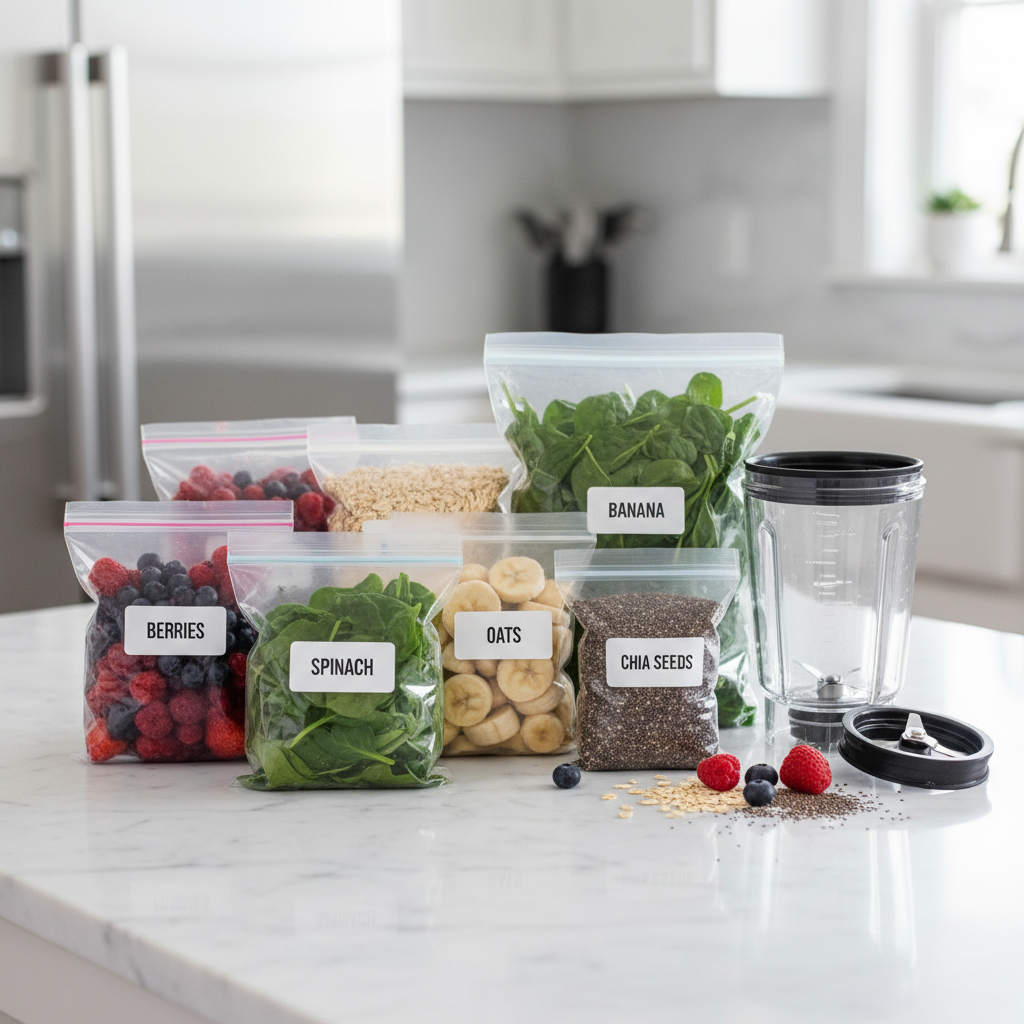
- Make freezer packs: portion fruit, greens, oats, seeds into bags, then dump and blend.
- Keep a “protein default”: pick one protein (Greek yogurt or a powder) and restock consistently.
- Use frozen fruit for texture: fewer ice cubes, less watery results.
- Blend in stages: liquid + greens first, then frozen items, it’s smoother and easier on the motor.
- Plan for cleanup: a quick rinse right away beats a crusty blender later.
If you’re trying to lose weight, pre-portioning can help you avoid the “it looked healthy so I doubled everything” problem, which happens more than people admit.
Common mistakes (and what to do instead)
- Mistake: Using fruit juice as the base. Try: unsweetened milk, kefir, or water plus yogurt.
- Mistake: Treating greens as a cleanse. Try: add protein and fat so it functions as breakfast.
- Mistake: Relying on “superfood powders” for nutrition. Try: get consistency with basics, berries, oats, yogurt, seeds.
- Mistake: Copying influencer portions. Try: build from your hunger cues and schedule, your day is different.
Also, if you have kidney disease, take blood thinners, or manage diabetes, ingredient choices can matter more than you’d expect, in those cases it’s smart to check with a professional before making big routine changes.
Key takeaways + a simple next step
If you want smoothie recipes healthy enough for breakfast, build them like a meal: prioritize protein, add fiber, keep added sugar modest, and use swaps that fit your day.
Action step: pick two recipes from the list, make freezer packs for three mornings, and see how your hunger and energy feel by late morning. That feedback is more useful than chasing the “perfect” blend.
FAQ
- What are the best smoothie recipes healthy for weight loss?
Usually the ones with higher protein and fiber and fewer sweetened ingredients, think Greek yogurt, berries, greens, chia, and an unsweetened base. Portion size still matters, so measuring nut butter and fruit for a week can clarify what works. - Is a smoothie enough for breakfast?
It can be, if it includes protein and fiber and you’re not hungry an hour later. If you keep snacking mid-morning, your smoothie may be acting like a snack, not a meal. - How can I make my breakfast smoothie more filling?
Add a dedicated protein source plus one fiber booster, for example Greek yogurt + chia, or protein powder + oats. That combo tends to change satiety more than adding extra fruit. - Are fruit smoothies too high in sugar?
They can be, especially with juice, sweetened yogurt, or large fruit portions. Using whole fruit, leaning on berries, and adding protein/fat often helps keep the overall effect steadier. - What’s the healthiest liquid base for smoothies?
It depends on your needs: dairy or soy milk adds protein, water keeps it lighter, kefir adds tang and thickness. The main thing is choosing an unsweetened base most days. - Can I prep smoothies the night before?
You can, but texture may thin out and separation is common. Many people prefer freezer packs, then blending in the morning, it’s faster than it sounds once you get the habit. - Do I need supplements or “greens powders” in my smoothie?
Not necessarily. Whole foods cover a lot, and powders can be useful for convenience, but they’re not a magic fix, and some have added sweeteners or ingredients that don’t agree with everyone.