
The best chocolate mousse recipe easy isn’t the one with the most steps, it’s the one that stays fluffy, tastes deeply chocolatey, and doesn’t panic you halfway through with curdled eggs or seized chocolate.
If you’ve tried mousse before and ended up with something grainy, loose, or oddly “eggy,” you’re not alone, mousse is simple on paper but sensitive in the details. Temperature, chocolate choice, and how you fold can change everything.
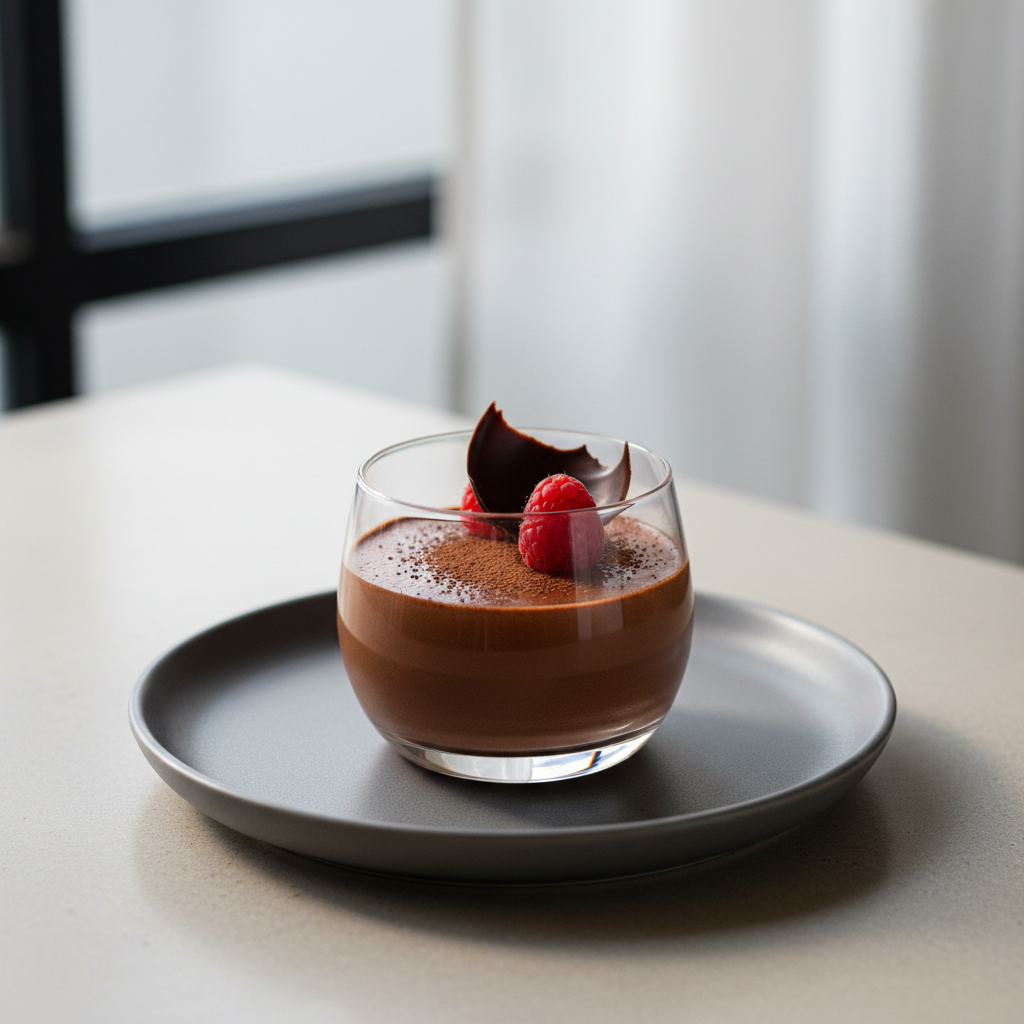
This guide gives you a reliable method, plus a quick troubleshooting map for the common failures. I’ll also share a few realistic swaps for dairy-free, extra-decadent, and “I only have semi-sweet chips” nights.
What “easy” really means for chocolate mousse
In many home kitchens, “easy” should mean: no specialty tools, no complicated timing, and no steps where you’re guessing what “ribbon stage” looks like. A practical mousse can still feel classic if it hits three marks.
- Airy structure from whipped cream (or whipped aquafaba/cream alternative).
- Stable chocolate base that’s smooth and not too hot when you combine.
- Gentle folding so you keep the bubbles you worked for.
Also worth saying out loud: mousse texture is a spectrum. Some people prefer a lighter, almost cloud-like spoonful, others want it dense and truffle-ish. This recipe lands in the middle, rich but not heavy.
Best easy chocolate mousse recipe (no raw egg option)
This version skips raw eggs and uses whipped cream for lift, which is a common “home-friendly” approach. If you’re pregnant, immunocompromised, or serving kids, this is usually the lower-stress path, though for personal dietary concerns you may want to consult a qualified professional.
Ingredients (serves about 6)
- 8 oz (225 g) semi-sweet or dark chocolate, chopped (60–70% works well)
- 1 1/4 cups (300 ml) heavy whipping cream, divided
- 2–3 tbsp powdered sugar (adjust to taste)
- 1 tsp vanilla extract
- Pinch of salt
Method
1) Melt chocolate gently. Heat 1/2 cup cream just until steaming, then pour over chopped chocolate. Wait 60 seconds, stir slowly until glossy. Add salt and vanilla.
2) Cool the base. Let the chocolate mixture sit until it feels lukewarm, not warm. If it’s hot, it can deflate the whipped cream or turn the mousse grainy.
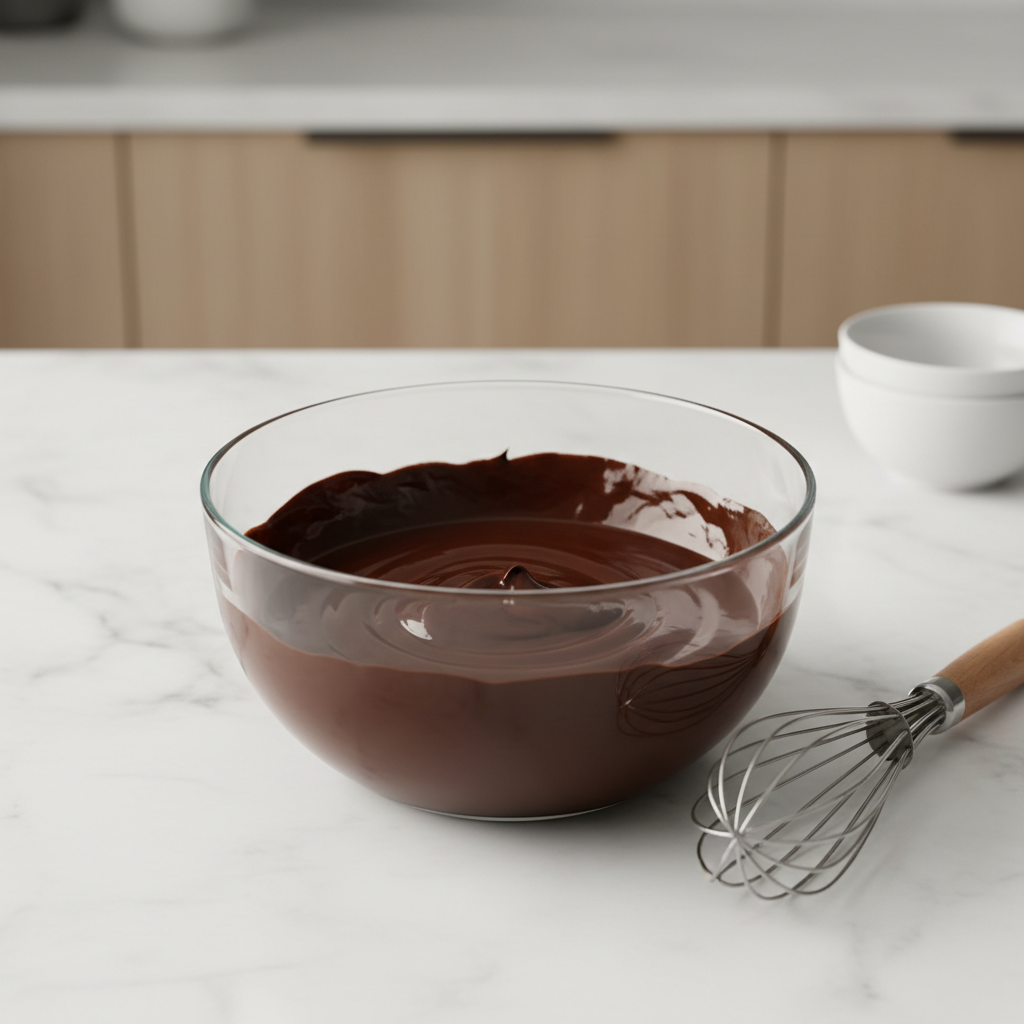
3) Whip remaining cream. Whip 3/4 cup cream with powdered sugar to soft-medium peaks. You want it airy but still flexible, stiff peaks fold less smoothly and can leave streaks.
4) Fold to keep it fluffy. Stir 1/3 of whipped cream into the chocolate to lighten it, then fold in the rest using a spatula, turning the bowl as you go. Stop when you no longer see big streaks.
5) Chill. Portion into cups, cover, refrigerate at least 2 hours. Flavor and texture usually improve overnight.
Quick ingredient choices (chocolate, cream, sweetener)
If your mousse tastes “fine” but not memorable, ingredients are usually the reason. Technique matters, but chocolate quality shows up in every bite.
- Chocolate bars vs chips: bars melt more smoothly; many chips include stabilizers that can keep them from melting as silkily.
- 60–70% dark chocolate: a solid default for the best balance of sweet and intense. Milk chocolate works, but can taste flatter unless you reduce sugar.
- Heavy cream (not half-and-half): you need the fat content for stable whipping.
- Powdered sugar: dissolves fast and helps keep the whipped cream smooth.
According to USDA FoodData Central, chocolate products vary widely in sugar and cocoa content, which is why “semi-sweet” can taste different across brands. If a batch tastes too sweet, going darker is often a cleaner fix than cutting sugar aggressively.
Self-check: which mousse outcome are you aiming for?
Before you start, pick the texture you actually want. It saves you from “fixing” something that isn’t broken.
- Light and airy: use 70% chocolate, keep whipped cream at soft peaks, fold gently and stop early.
- Extra rich and dense: use more chocolate (add 1–2 oz), whip cream slightly firmer, chill longer.
- Less sweet: use darker chocolate, keep powdered sugar to 1–2 tbsp, add a slightly bigger pinch of salt.
- Showy dessert cups: pipe into glasses, top right before serving so the surface stays clean.
Troubleshooting table (the fixes people actually need)
This is the part most “easy” recipes skip. If you want the best chocolate mousse recipe easy for your kitchen, knowing how to rescue a batch matters.
| Problem | What’s happening | What to do next time |
|---|---|---|
| Grainy or tiny chocolate bits | Chocolate cooled too fast or wasn’t fully melted | Chop finer, let hot cream sit longer, stir slowly from center outward |
| Runny mousse after chilling | Cream under-whipped or chocolate-to-cream ratio too low | Whip to soft-medium peaks, use full 8 oz chocolate, chill longer |
| Looks curdled or separated | Chocolate base too warm, or folding too aggressive | Cool base to lukewarm, fold gently, lighten with a first scoop of cream |
| Too bitter | Chocolate percentage too high for your palate | Use 60–65% chocolate, add 1 more tbsp powdered sugar, keep salt pinch |
| Too sweet | Chocolate too low in cocoa, or extra sweet toppings | Use darker chocolate, reduce sugar, top with unsweetened whipped cream |
Make-ahead, storage, and serving ideas
Mousse is one of those desserts that quietly rewards planning. When it rests, the chocolate flavor rounds out and the texture sets.
- Make-ahead: 1 day ahead is usually ideal; 2 days is often still good, though it can lose a touch of lift.
- Storage: cover tightly in the fridge so it doesn’t pick up odors.
- Serving: let cups sit at room temp 5–10 minutes for a softer spoonful.
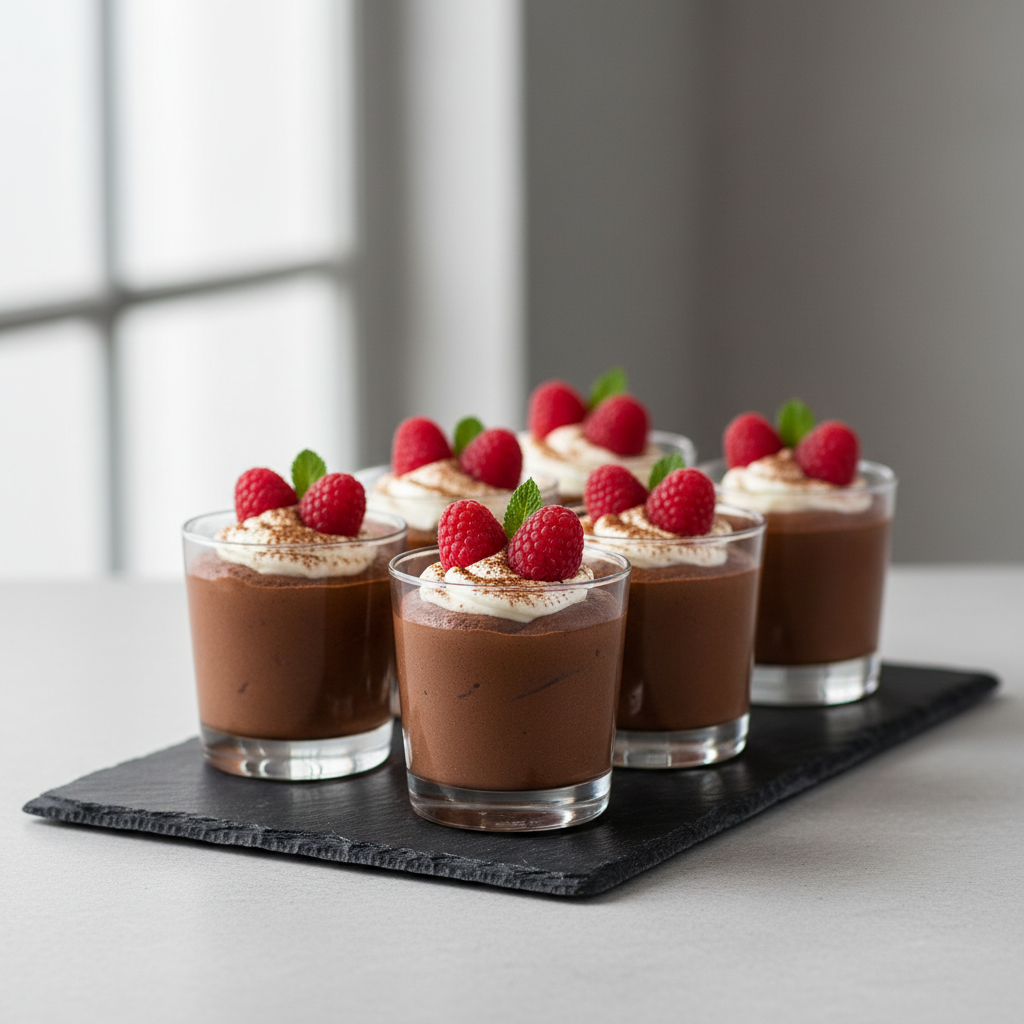
Topping ideas that don’t overpower: cocoa powder, chocolate shavings, raspberries, flaky sea salt, or a small spoon of whipped cream. If you add crunchy toppings, do it right before serving so they don’t soften.
Variations (dairy-free, extra-fancy, and “I only have cocoa powder”)
Once you have the base method, adapting it becomes pretty forgiving, as long as you keep an eye on temperature and texture.
- Dairy-free: use full-fat coconut cream (chilled and whipped) and dairy-free dark chocolate. Coconut flavor will show, which some people love.
- Espresso mousse: dissolve 1–2 tsp instant espresso in the hot cream before pouring over chocolate.
- Orange-chocolate: add 1/2 tsp orange zest to the melted chocolate base.
- Extra-decadent: fold in 2 tbsp room-temp mascarpone into the chocolate base before adding whipped cream.
A note on cocoa powder: you can make cocoa-based “mousse-style” desserts, but classic mousse texture usually depends on melted chocolate for structure, not just cocoa. If cocoa is all you have, treat it like a different dessert and follow a recipe designed for it.
Key points to remember (so it stays easy)
- Cool the chocolate base until lukewarm before folding.
- Soft-medium peaks beat stiff peaks for smoother folding.
- Lighten first with a scoop of whipped cream, then fold the rest.
- Chill at least 2 hours, overnight often tastes best.
Conclusion: a mousse you can repeat without stress
If you want a dessert that feels restaurant-level but behaves like a weeknight recipe, this approach is a strong bet. The main win is consistency: once you watch temperature and folding, the result becomes predictable, not a coin flip.
Pick your chocolate, give the base a few minutes to cool, and aim for soft-medium peaks, that trio does most of the heavy lifting. When you’re ready, make a batch in small cups and chill overnight, then tweak sweetness and toppings the next time until it feels like your “house” version of the best chocolate mousse recipe easy.