
best dhokla recipe khaman soft is really about controlling two things most home cooks miss, batter consistency and how you activate the leavening right before steaming, because even good ingredients can turn spongy, dry, or oddly sour if the timing drifts.
If you live in the U.S., there’s one more twist, your semolina and chickpea flour brands vary a lot, your “yogurt” might be thicker than Indian curd, and your steamer setup might be a stockpot with a rack, all of which affects lift and moisture.
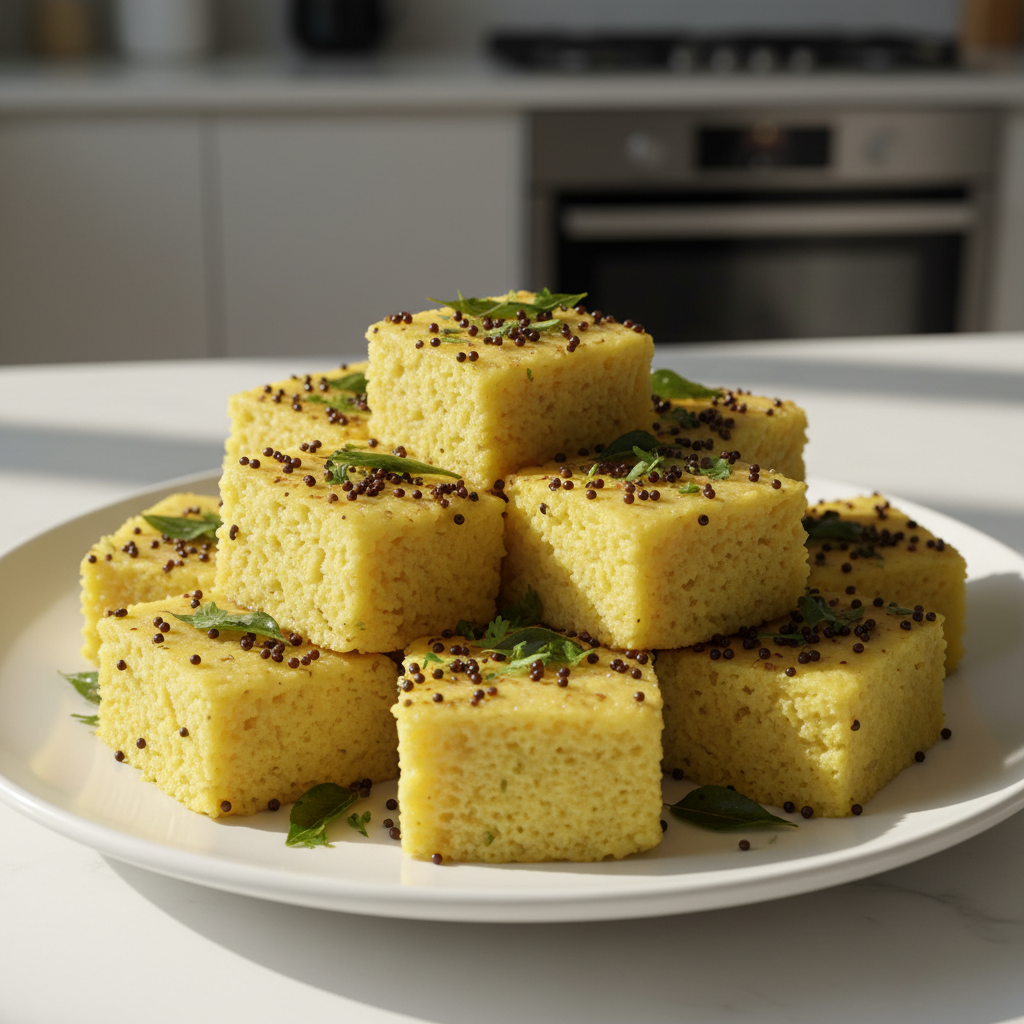
This guide keeps it practical, what to buy at a U.S. grocery store, what to order online if you want the authentic taste, and the small checks that keep dhokla fluffy instead of heavy. You’ll also get quick troubleshooting for the two common disasters, “no rise” and “crumbly edges.”
What “soft khaman” means (and why it goes wrong)
In many kitchens, people call everything “dhokla,” but khaman is typically made from chickpea flour and steamed into a tender, airy cake. “Soft” is not just a vibe, it’s the texture you get when the crumb stays moist, pores stay small, and the cake springs back when you press it lightly.
- Dense or rubbery often comes from batter that’s too thick, over-mixing after the leavening goes in, or steaming too long.
- Dry, crumbly usually means not enough water, too little oil, or a steamer that runs hot and dry.
- Overly sour is commonly from too much citric acid/lemon, old ENO, or letting activated batter sit.
According to USDA, steaming is a moist-heat cooking method, which is exactly why it works for a tender crumb, but only if your pot actually traps steam and you keep the water level steady.
Ingredients and U.S.-friendly substitutes (what matters, what doesn’t)
For the best dhokla recipe khaman soft, prioritize fresh leavening, good besan, and a reliable acid. Most other choices are flexible, within reason.
Core ingredients (recommended)
- Besan (chickpea flour): fine-milled if possible, Indian grocery brands tend to be consistent.
- Semolina (optional): a little helps structure, but too much makes it coarse.
- Yogurt: plain, unsweetened; thinner styles often blend better.
- Leavening: ENO fruit salt is common; baking soda works but taste can shift.
- Acid: lemon juice or citric acid for brightness and lift balance.
Quick substitution table
| Ingredient | Best option | If you can’t find it | What changes |
|---|---|---|---|
| ENO fruit salt | Plain (unflavored) ENO | Baking soda + a little extra lemon | More “baking soda” note if overused |
| Fine besan | Indian grocery besan | U.S. chickpea flour (sift) | May need slightly more water |
| Green chili | Indian green chili | Serrano or jalapeño | Heat level varies a lot |
| Curry leaves | Fresh curry leaves | Dried curry leaves (use less) | Less aroma, still okay |
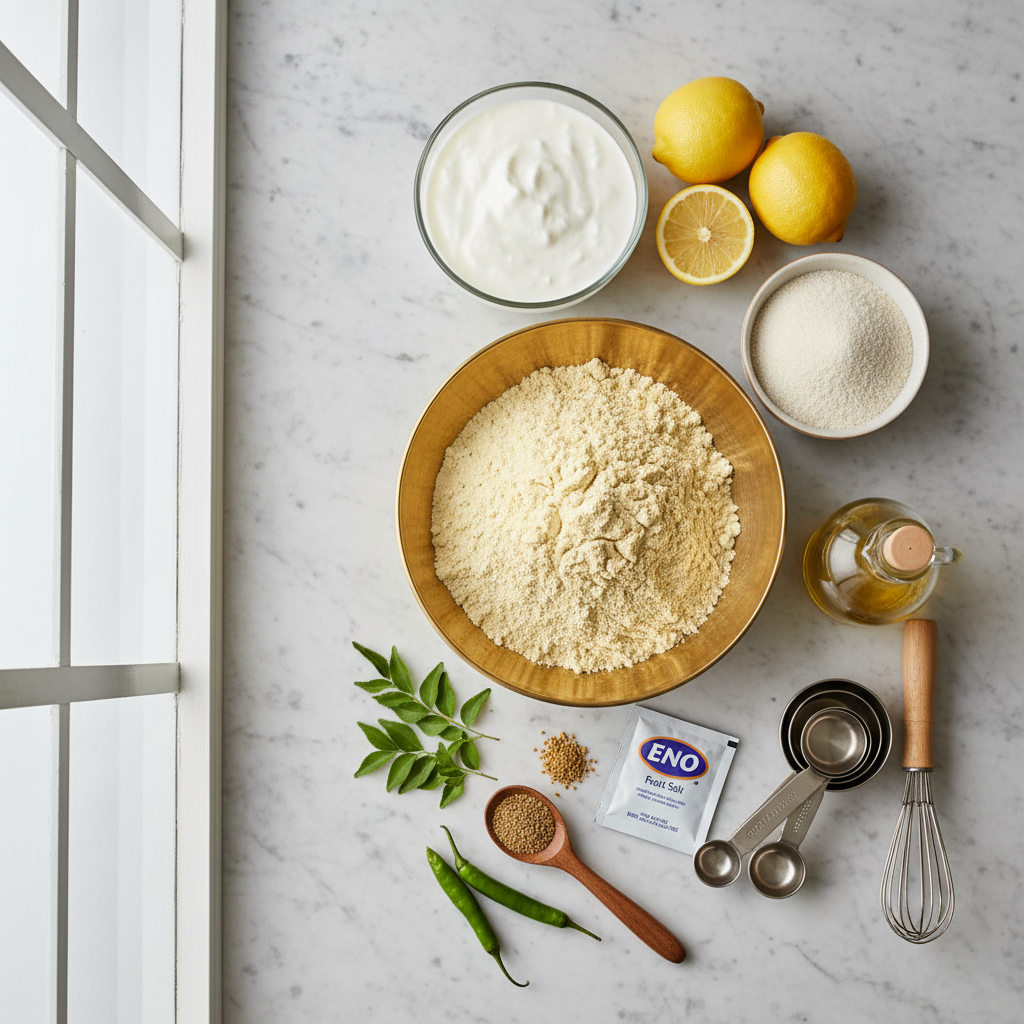
The best soft khaman dhokla recipe (step-by-step)
This recipe targets a moist crumb, medium sweetness, and that classic gentle tang. It’s built for a U.S. home kitchen with a stockpot steamer setup.
What you’ll need
- 8-inch round cake pan or a similar shallow pan
- Large pot with lid + rack/trivet (or a dedicated steamer)
- Mixing bowl + whisk
Batter (makes one 8-inch pan)
- 1 cup besan (chickpea flour), sifted
- 2 tbsp fine semolina (optional, for structure)
- 1/2 cup plain yogurt
- 1/2 to 2/3 cup water (adjust for pourable thickness)
- 1 to 2 tsp sugar (optional, for classic khaman note)
- 3/4 tsp salt
- 1 tsp lemon juice (or to taste)
- 1 tbsp oil
- 1 to 1 1/4 tsp ENO (add at the very end)
Mix the base batter
Whisk besan, semolina, salt, sugar, yogurt, oil, and lemon juice, then add water until the batter looks like a thick but pourable pancake batter. If it ribbons and disappears back in within a couple seconds, you’re close.
Rest 10–15 minutes, this helps the flour hydrate, and it reduces the temptation to “fix” the texture later with extra water.
Prep the steamer (don’t skip)
Bring water to a steady boil in your pot, then lower to a strong simmer. Grease the pan and place it near your mixing bowl. You want zero waiting time after ENO goes in.
Activate and steam
- Add ENO to the batter and whisk briskly for 8–12 seconds, the batter should look lighter and a bit foamy.
- Immediately pour into the greased pan, tap once gently to level, don’t overdo it.
- Steam covered 12–15 minutes on a strong simmer. Avoid opening the lid early.
- Check doneness with a toothpick, it should come out mostly clean.
Cool 5 minutes, then loosen edges with a knife and unmold. Cutting too early can compress the crumb.
Tempering and soaking: the “soft” finish most people underdo
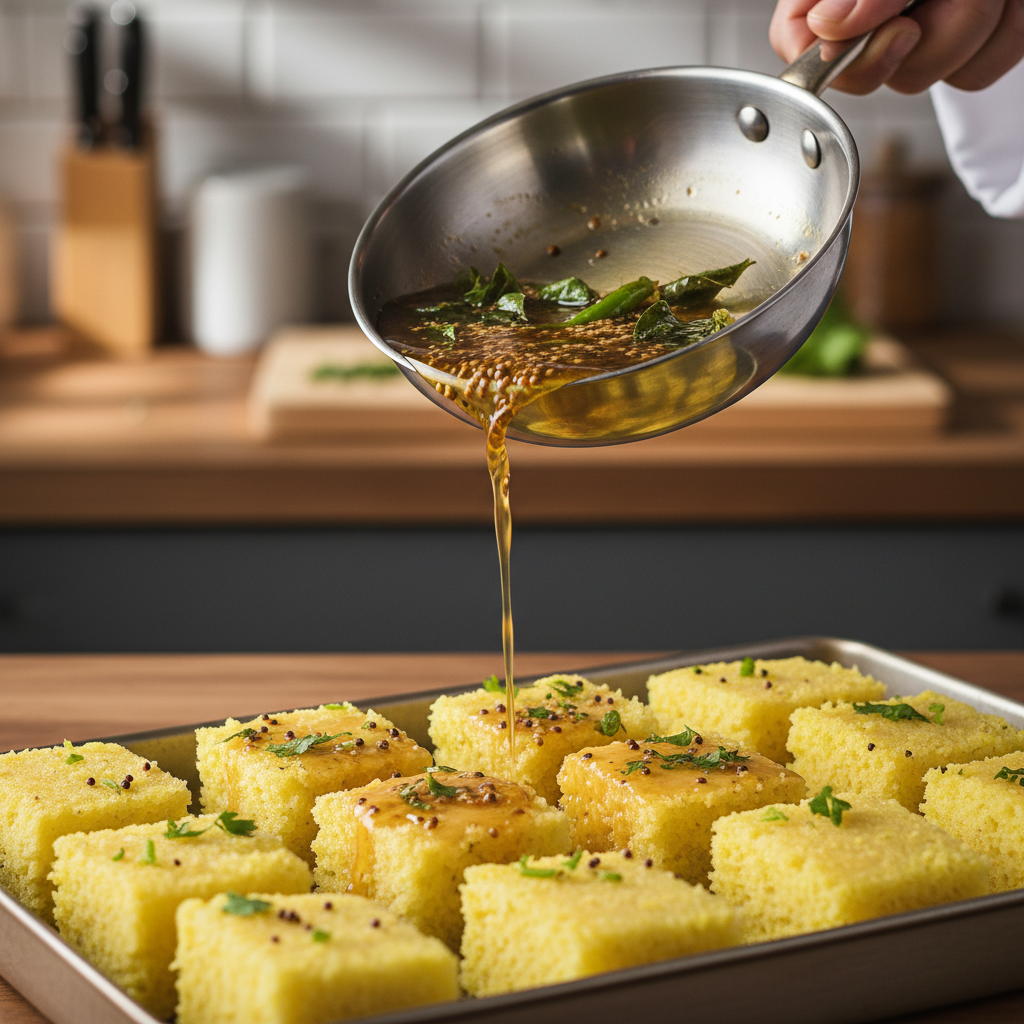
Great khaman is steamed well, but the softness you remember from snack shops often comes from a light syrup soak and a quick tempering poured on top.
Simple soak (recommended)
- 1/3 cup water
- 1 to 2 tsp sugar
- Pinch salt
- 1 tsp lemon juice (optional)
Warm until sugar dissolves, then spoon over the cake after cutting. Don’t flood it; you want moist, not soggy.
Tempering (tadka)
- 1 tbsp oil
- 1 tsp mustard seeds
- 8–10 curry leaves
- 1–2 slit green chilies
- 2 tbsp water (stand back, it can splutter)
Heat oil, pop mustard seeds, add curry leaves and chilies, then add a small splash of water and immediately pour over the dhokla. Finish with cilantro and grated coconut if you like.
Quick self-check: are you set up for a soft result?
If you keep missing the texture, run this checklist before changing the whole recipe. In real kitchens, it’s usually one or two small issues.
- Your ENO is fresh: clumpy or weak fizz often under-performs.
- Steamer is ready first: activated batter can’t sit around.
- Batter is pourable: too thick = tight crumb.
- Lid fits well: steam escaping dries the surface and slows rise.
- Timing is reasonable: over-steaming makes it firm, especially in smaller pans.
Troubleshooting (fixes that actually work)
It didn’t rise
- Most common: ENO added too early, or you mixed too long after adding it.
- Next: steamer not hot enough, the batter needs immediate heat to set the bubbles.
- Fix next time: boil water first, then ENO, then pour, then steam.
It rose, but turned dry
- Steamed too long, or water ran low and the pot turned into a dry heat box.
- Batter too thick, so it sets firm before the interior can stay moist.
- Fix: shorten steam time, keep water level stable, add the light soak.
It tastes bitter or soapy
- Often baking soda overuse, or too much ENO.
- Fix: reduce leavening slightly, balance with a small amount of lemon, and avoid over-mixing.
Top looks bumpy or has holes
- Over-whisking can create large bubbles; vigorous tapping can pop structure unevenly.
- Fix: whisk ENO briefly, tap once lightly, steam without lid-lifting.
Food safety and storage (especially for meal prep)
Khaman is a moist, cooked batter product, so treat it like other cooked foods, cool reasonably quickly, refrigerate within a safe window, and reheat gently. According to FDA, keeping perishable foods out at room temperature for too long increases food safety risk, so if you’re serving at a party, smaller batches can be safer than leaving a big tray out for hours.
- Fridge: store covered; texture stays decent for 2–3 days in many cases.
- Reheat: a short steam refresh works better than microwaving, which can toughen edges.
- Freezing: possible, but crumb can turn a bit grainy after thawing.
Key takeaways (so you remember the parts that matter)
- Heat first, ENO last: your steamer should be ready before activation.
- Pours like thick batter: not dough, not soup.
- Don’t over-steam: longer is not safer for texture.
- Soak + tempering is the difference between “fine” and “soft.”
- If you’re chasing the best dhokla recipe khaman soft, adjust one variable at a time so you can tell what worked.
Conclusion: a softer khaman is mostly timing, not luck
The path to a reliably tender khaman is surprisingly consistent, hydrate the batter, get the pot steaming, activate right at the end, and finish with a light soak so the crumb stays friendly even after it cools. If you want a practical next step, run one test batch and write down just three notes, batter thickness, steam time, and how long you waited after adding ENO, those usually explain the result.
If you’re cooking for guests, do a small “confidence batch” once, then scale with the same pan depth and similar steam intensity, it saves a lot of last-minute stress.