
Tempura recipes can feel strangely unforgiving: one batch turns out shatter-crisp, the next goes limp or oily, even when you swear you did the same thing.
The good news is you don’t need restaurant gear or rare ingredients, you mostly need a few non-obvious habits: cold batter, the right oil temperature, and a light hand when mixing.
Below you’ll get a reliable base batter, a handful of easy variations (shrimp, veggies, even leftovers), plus a troubleshooting checklist for the moments when reality disagrees with the recipe.
What makes tempura actually crispy (and why it goes wrong)
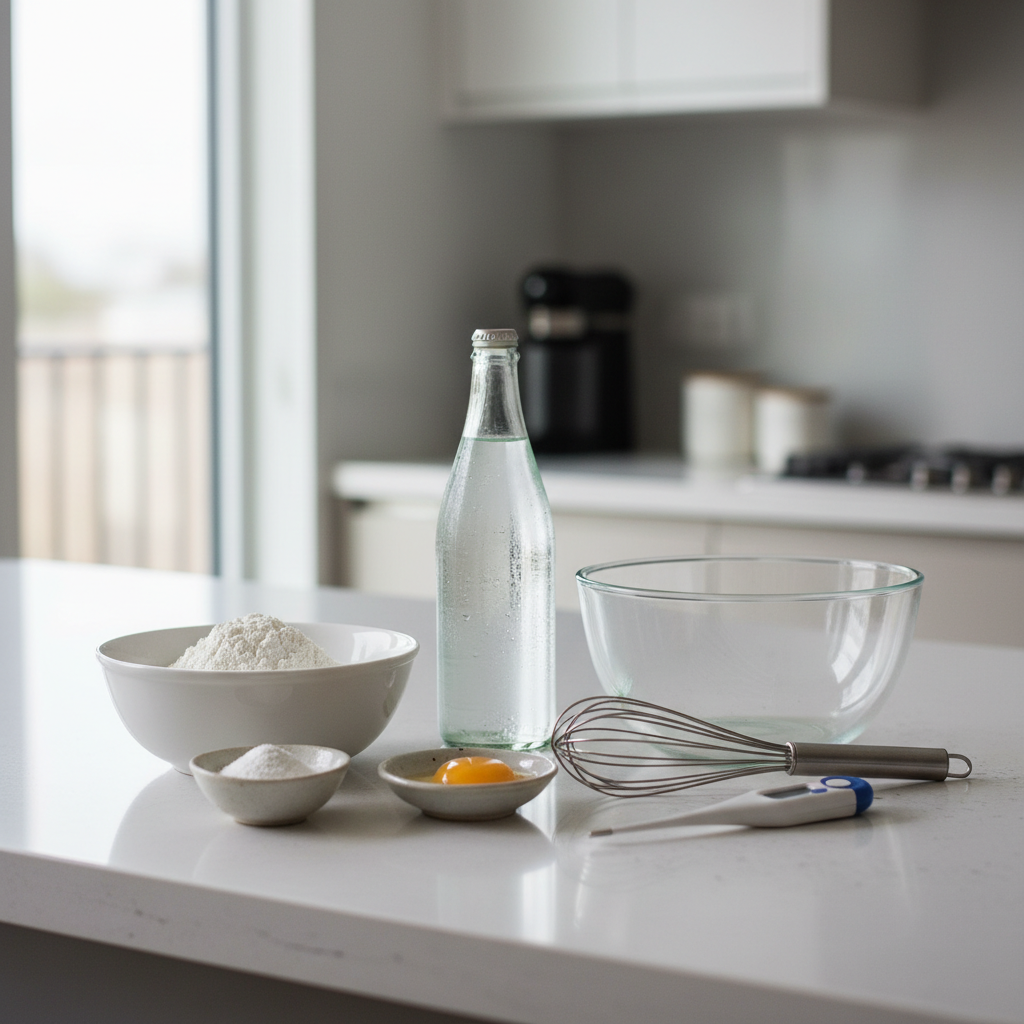
Crispy tempura is less about “secret ingredients” and more about managing moisture and gluten. When the batter stays cold and barely mixed, it fries into a thin, airy shell instead of a bready coating.
- Cold batter slows gluten development, so the crust stays delicate instead of chewy.
- Proper oil temperature drives off water fast, which is what creates that light crunch.
- Dry, well-prepped food helps batter cling and reduces splatter and sogginess.
- Small batches prevent oil temperature from crashing, a common cause of greasy results.
According to USDA Food Safety and Inspection Service, a food thermometer is the most reliable way to confirm temperatures in cooking, which applies just as much to fry oil when you want consistent results.
Your go-to easy tempura batter (base recipe)
This batter aims for “forgiving but light.” You can do it with a bowl and chopsticks or a fork, and it scales easily for weeknight cooking.
Ingredients (serves 2–4)
- 1 cup all-purpose flour
- 2 tbsp cornstarch (helps crispness)
- 1 large egg
- 1 cup ice-cold sparkling water (or very cold still water)
- 1/2 tsp kosher salt (optional, especially if dipping sauce is salty)
How to mix it without overthinking
- Put flour and cornstarch in a bowl, chill the bowl 10 minutes if you remember.
- Whisk egg with cold water just until combined.
- Pour liquids into dry ingredients, stir 8–12 strokes. Lumps are fine, you want them.
- Use within 10–15 minutes for best texture, re-stir gently if it separates.
Key point: If your instinct is to “fix the lumps,” that instinct is the enemy of crunch.
Quick table: best foods for beginners (and how to prep them)
Some foods are simply easier to tempura well. Start here, then get adventurous once your oil temperature habits feel automatic.
| Ingredient | Prep | Why it works | Fry time (approx.) |
|---|---|---|---|
| Shrimp | Peel/devein, pat dry, lightly score belly so it stays straight | Fast cook, great crunch-to-juiciness | 1.5–2.5 min |
| Zucchini | Cut into sticks or thin coins, salt 5 min, pat dry | Low effort, cooks evenly | 2–3 min |
| Sweet potato | Slice thin (1/8 inch), rinse surface starch, pat dry | Crisps well when sliced thin | 3–5 min |
| Mushrooms | Wipe clean, trim, leave small whole | Craggy surface holds batter | 2–3 min |
| Green beans | Trim ends, dry well | Classic tempura bite, hard to mess up | 2–3 min |
Step-by-step: frying tempura at home (no drama version)
For most tempura recipes, you’re aiming for oil around 340–360°F. If you don’t have a thermometer, you can still do it, but consistency becomes a guessing game.
Equipment that helps (not all required)
- Heavy pot or Dutch oven
- Thermometer (clip-on or instant-read)
- Spider strainer or slotted spoon
- Wire rack over a sheet pan (better than paper towels)
Frying workflow
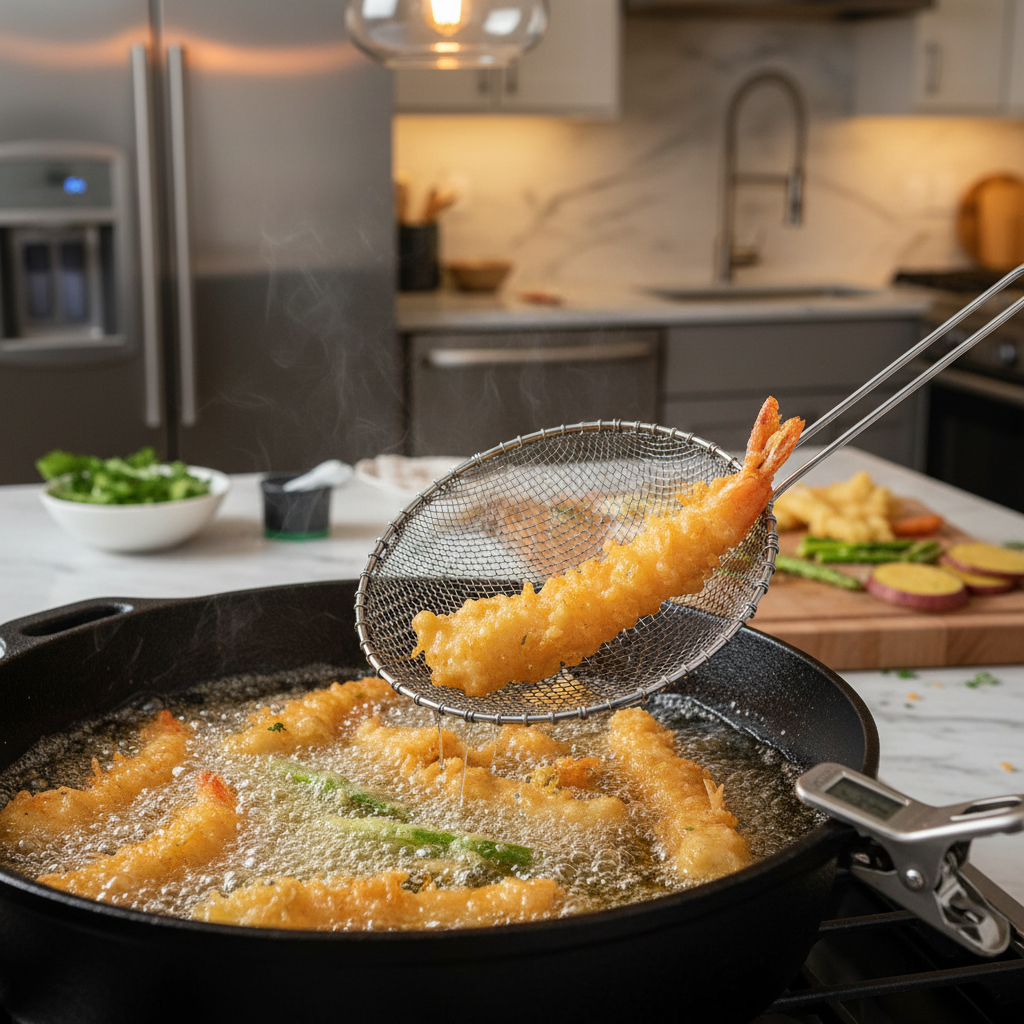
- Heat 1.5–2 inches of oil to 350°F.
- Prep all ingredients and keep them dry on a towel-lined tray.
- Lightly dust items with flour before battering, especially seafood and watery vegetables.
- Dip into batter, let excess drip 1–2 seconds, then slide into oil away from you.
- Fry in small batches, don’t crowd. Watch the thermometer and let oil recover between batches.
- Remove when pale golden and crisp, drain on a rack, season lightly with salt while hot.
Practical tip: If the batter sinks and clumps, your oil is often too cool, or you dropped too much food at once.
3 easy tempura recipes you can rotate all week
Once the base batter and temperature feel steady, these are the simplest “go-to” options. They cook fast and don’t demand fancy knife work.
1) Classic shrimp tempura
- Use large shrimp (16/20 or 21/25 count if you’re shopping in the U.S.).
- Pat dry aggressively, water is what turns the coating soggy.
- Fry 1.5–2.5 minutes, flip once, pull when crisp rather than deeply browned.
2) Mixed vegetable tempura (fridge-cleanout style)
- Great mix: zucchini, mushrooms, onion rings, green beans, bell pepper strips.
- Cut everything to a similar thickness so timing stays easy.
- Keep a “done” tray in a warm oven (200°F) if you’re cooking for a group, but don’t leave it too long or it dries out.
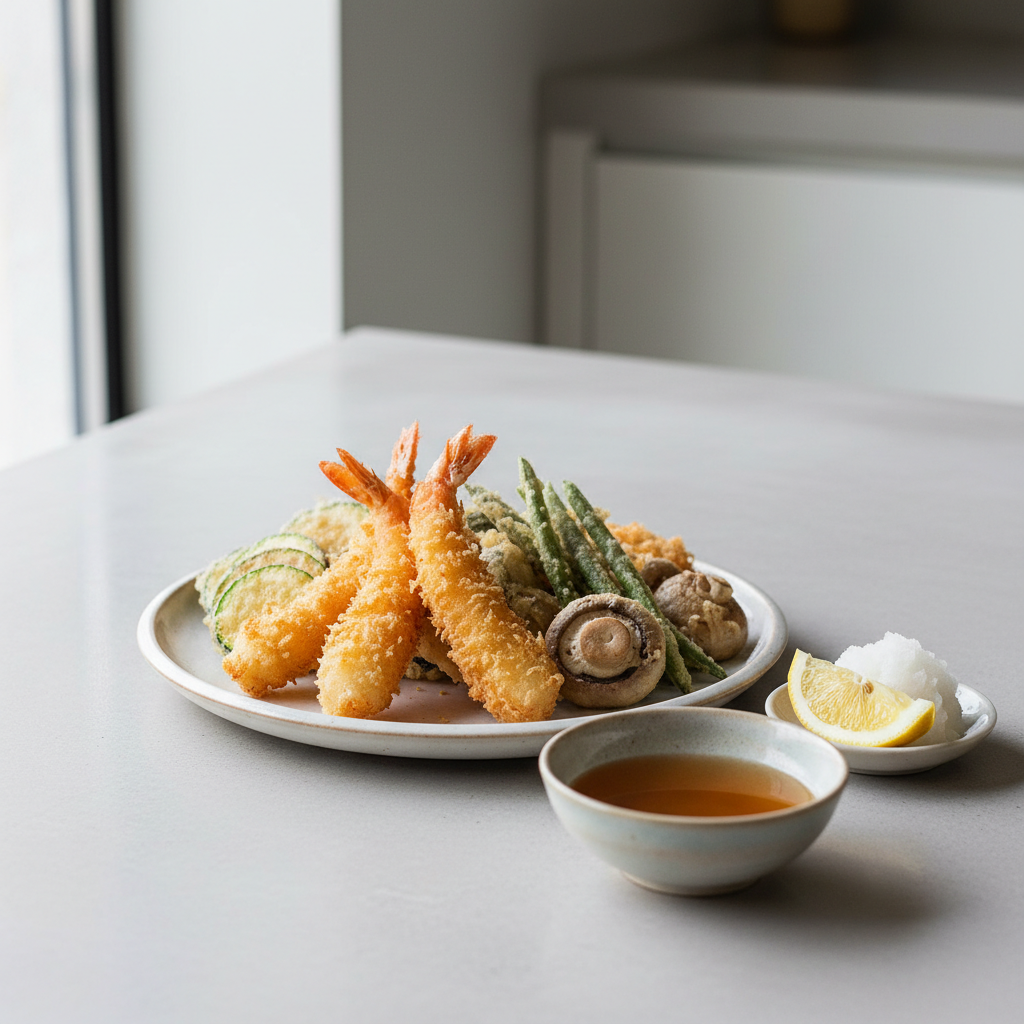
3) Tempura “leftovers”: reheating-friendly bites
- Try: cooked shrimp, imitation crab, asparagus, thin slices of leftover roasted squash.
- Because the inside is already cooked, focus on crisping the outside, keep fry time short.
- Serve with a punchy dip (soy + rice vinegar + a little chili) so the lighter flavor still pops.
Self-check checklist: why your tempura isn’t crisp
If your results are consistently disappointing, it’s usually one of these, not a mysterious curse.
- Batter looks smooth like pancake batter: you mixed too much, stop earlier next time.
- Coating turns oily: oil too cool, batches too big, or food too wet.
- Crust falls off: no flour dusting, or surface moisture, or you moved it too soon in the oil.
- Not enough “lacy bits”: batter too thick, add a tablespoon of cold water and mix gently.
- Soggy after 5 minutes: drained on paper towels, or steamed in a covered container.
Safety notes and common mistakes worth avoiding
Deep frying is straightforward, but it punishes distractions. If you’re cooking with kids around, it’s smart to keep the work area calm and uncluttered.
- Don’t fill the pot too high: oil can foam and rise when you add battered food.
- Keep water away from hot oil: even small splashes can cause violent popping.
- Use a stable burner and handle: bumping a pot is a real risk in tight kitchens.
- If you feel unsure, use a smaller pot and smaller batches, it’s slower but often safer.
If you have any health or dietary concerns, especially around high-fat foods, it may help to check with a qualified professional for advice that fits your situation.
Conclusion: a simple plan for reliably crispy tempura
If you want tempura that stays light and crunchy, keep the batter cold, mix it less than feels normal, and fry in small batches at a steady temperature. That’s the whole game.
Pick one easy ingredient like shrimp or green beans, run two batches back-to-back, and take notes on oil temp and batter thickness, this is one of those foods where tiny changes matter more than fancy techniques.
FAQ
What oil is best for tempura at home?
Neutral oils with a higher smoke point usually work well, like canola, peanut, or refined avocado oil. The “best” choice depends on budget, flavor preference, and allergy considerations.
Can I make tempura batter ahead of time?
You can, but tempura batter tends to lose its advantage as it sits and warms up. If you must prep ahead, keep it in the fridge and stir very lightly right before frying.
Why is my tempura batter not sticking to shrimp or veggies?
Most often the surface is wet or slick. Pat food dry and add a light flour dusting before dipping, it gives the batter something to grab.
How do I keep tempura crispy for a party?
Fry in batches and hold pieces on a wire rack in a 200°F oven so they don’t steam. Avoid covering with foil, trapped moisture is the fastest route to softness.
Can I bake or air fry tempura instead of deep frying?
Some air fryer versions can be tasty, but the texture usually won’t match classic tempura because the batter is designed for hot oil. If you try it, use a very light coating and expect a different result.
What dipping sauce goes with tempura?
Tentsuyu is the traditional direction, but you can keep it simple with soy sauce and a squeeze of lemon. If you like richer flavor, a quick mayo-based dip with a little garlic or chili works too.
How can I reheat tempura without it getting soggy?
Use an oven or toaster oven around 375°F on a rack for a few minutes until crisp. Microwaves tend to soften the coating, so they’re usually a last resort.
If you’re experimenting with tempura recipes and want a more repeatable workflow, consider building a small “fry station” checklist for your kitchen, ingredients prepped and dried, batter cold, thermometer clipped, rack ready, it makes weeknight tempura feel much less chaotic.