
how to cook ribs fall off the bone is mostly about controlling heat and time, then finishing with the right moisture and a smart sauce step so the meat turns tender without tasting boiled.
If you have ever pulled a rack off the grill, cut in, and found chewy meat clinging to the bone, you already know the frustration, ribs punish rushing, and they punish heat that swings too much.
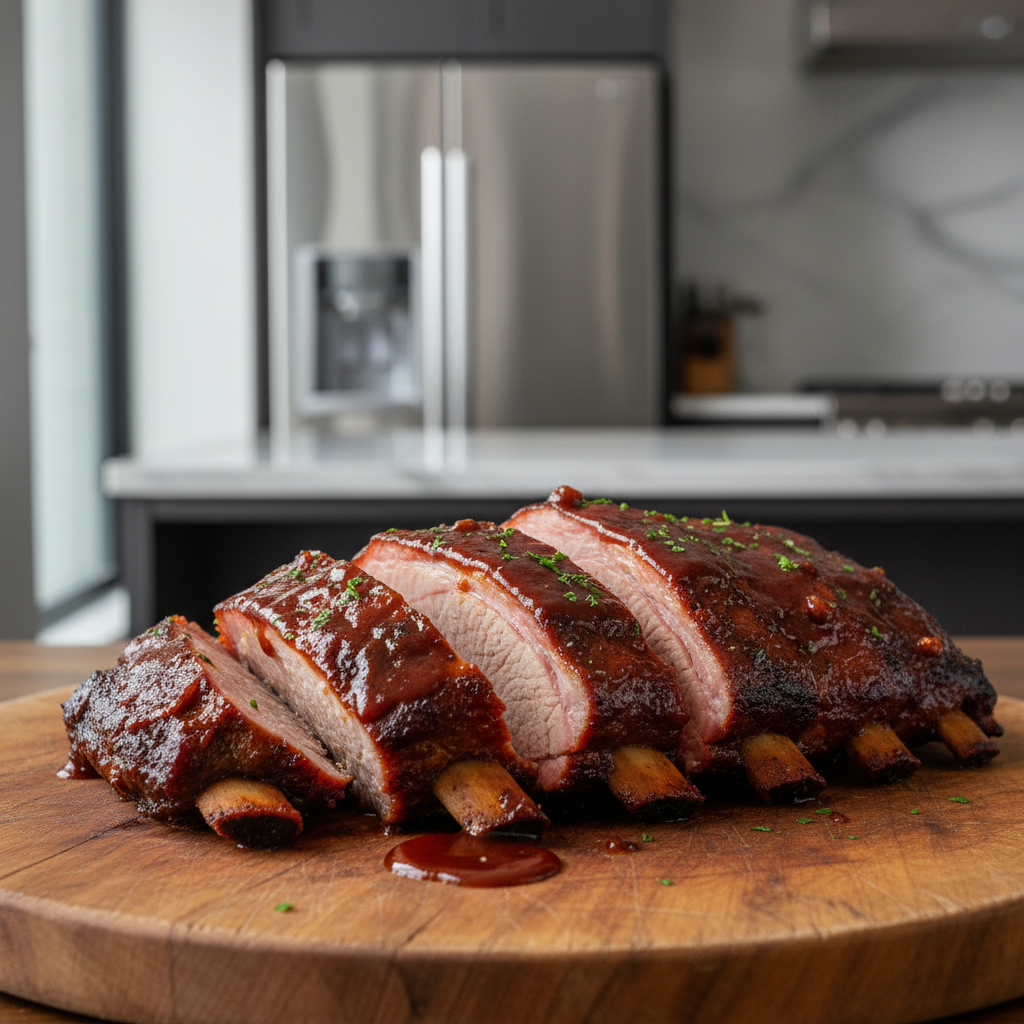
This guide focuses on the methods that work in real home setups, oven, grill, smoker, and Instant Pot, plus a quick checklist to diagnose why ribs keep turning out tough. You will also get a timing table, practical doneness cues, and a few common mistakes worth avoiding.
What “fall off the bone” really means (and why some pitmasters avoid it)
When people say “fall off the bone,” they usually want ribs that pull clean with almost no resistance, the bones slide out easily, and the bite feels soft rather than chewy.
But in barbecue competitions, ribs often get judged on “bite-through” texture instead, tender but still holding shape. Neither is wrong, it just helps to name the target so you choose the right endpoint.
- Fall off the bone: more time in the cook, usually wrapped or cooked with extra moisture.
- Bite-through: slightly less time, usually less wrapping, more structure in the meat.
If your household wants the classic “slides right off” feel, aim for the fall-off-the-bone endpoint and plan to be gentle with handling, because a perfectly tender rack can crack when you lift it.
Why ribs turn tough: the real-world causes
Tough ribs rarely mean you “did everything wrong.” Usually one or two small factors stack up, and ribs have a narrow comfort zone.
- Not enough time for collagen to melt: ribs are loaded with connective tissue, low-and-slow gives collagen time to convert to gelatin.
- Too much direct heat: high heat tightens proteins fast, the outside dries before the inside tenderizes.
- Ribs cooked “to a clock” only: racks vary by thickness, cut, and starting temp, so timing alone can mislead.
- No foil or moisture management: in many home ovens and grills, wrapping is what pushes ribs from tender to truly fall-apart.
- Skipping rest: a short rest helps juices redistribute, cutting immediately can make them seem drier and tougher.
According to USDA Food Safety and Inspection Service (FSIS) guidance on food thermometers, using a thermometer helps verify doneness and safety when cooking meat, especially when visual cues can be misleading.
Quick self-check: which rib situation are you in?
Before changing everything, match your problem to the likely fix. This saves a lot of wasted “more rub, more sauce” effort.
- Meat is dry and stringy: heat too high, cooked too long unwrapped, or finished with sauce too early.
- Meat is chewy and clings to bone: undercooked for your tenderness goal, needs more time at steady low heat.
- Outside is dark but inside is tight: too much direct heat or sugar-heavy rub burning early, move to indirect heat or lower temp.
- Rack looks tender but falls apart when moved: you hit fall-off-the-bone, handle with two tools and rest before slicing.
If you only remember one thing, doneness is a combination of time, temp, and feel, not just minutes on a timer.
Best methods to cook ribs fall off the bone (oven, grill, smoker, Instant Pot)
how to cook ribs fall off the bone comes down to a dependable low temp phase, often a wrapped phase, then a short high-heat finish to set sauce. Pick the method that matches your day.

Oven method (most consistent for beginners)
This is the easiest path to very tender ribs, because your heat stays stable and wind does not mess with you.
- Remove membrane (optional but helpful for texture), pat dry.
- Season with salt, pepper, paprika, garlic powder, and a little brown sugar if you like.
- Wrap tightly in foil with 2–4 tbsp liquid (apple juice, beer, or broth).
- Bake at 275°F until very tender.
- Unwrap, sauce, then broil 2–5 minutes to set glaze.
Tip: for truly fall-apart ribs, wrapping is not “cheating,” it is moisture control.
Grill method (indirect heat + finish over flame)
Set up two-zone heat, ribs live on the cool side. Add wood chunks if you want smoke flavor.
- Cook ribs indirectly around 250–300°F, lid closed.
- If they stall chewy, wrap in foil for 45–90 minutes on the cool side.
- Unwrap, sauce lightly, then finish 2–6 minutes over direct heat, watching sugar burn risk.
Smoker method (classic flavor, more patience)
Keep your pit steady, big temperature swings are where tenderness gets unpredictable.
- Smoke at 225–250°F.
- Wrap when bark looks set and color is where you want it, often around 2–3 hours.
- Cook wrapped until ribs pass doneness checks, then unwrap to dry the surface and set sauce.
Instant Pot or pressure cooker (fastest, then finish for texture)
Pressure cooking can get you very tender meat quickly, but the surface needs a dry-heat finish or it tastes soft and steamed.
- Cook on high pressure with 1 cup liquid and a rack insert.
- Natural release helps tenderness and reduces splatter.
- Brush sauce and broil or grill briefly for caramelization.
Timing and temperature table (use as a planning tool, not a promise)
Ribs vary by thickness, cut, and how cold they start. Use this table to plan dinner, then verify with feel checks.
| Method | Temp | Typical time (spare ribs) | Typical time (baby back) | Best for |
|---|---|---|---|---|
| Oven (wrapped) | 275°F | 2.5–3.5 hrs | 2–3 hrs | Reliable fall-apart tenderness |
| Grill (indirect, optional wrap) | 250–300°F | 3–5 hrs | 2.5–4 hrs | Char + flexibility |
| Smoker (wrap to push tenderness) | 225–250°F | 4–6 hrs | 3.5–5.5 hrs | Most smoke flavor |
| Instant Pot + broil | High pressure | 25–35 min + finish | 20–30 min + finish | Weeknight speed |
According to National Fire Protection Association (NFPA) guidance, safe grilling practices include keeping the grill attended and managing flare-ups, which matters when you do the final sauced finish over direct heat.
How to tell ribs are done (without guessing)
If you want how to cook ribs fall off the bone results consistently, start trusting physical cues more than a single number.
- Bend test: lift the rack with tongs near the middle, if the surface cracks and the rack bends easily, you are close.
- Bone peek: ends of bones protrude a bit more as meat shrinks back, not perfect, but a helpful hint.
- Probe feel: a toothpick or probe slides in with little resistance, like room-temp butter.
- Temperature (optional): many cooks like the thickest meat to land roughly in the 195–205°F zone for very tender texture, but fat content and wrapping shift the feel, so treat this as guidance.
One small nuance, if you cook until the meat fully collapses, slicing becomes harder, resting and using a sharp knife makes a bigger difference.
Step-by-step: a dependable “foil then glaze” game plan
This approach works in the oven or on a grill with indirect heat, and it is the most repeatable route to very tender ribs.
- Prep: remove membrane if it bothers you, season evenly, then let sit 15–30 minutes while heat stabilizes.
- Slow cook: cook at 275°F until the rack starts to bend more easily.
- Wrap: foil tight, add a splash of liquid, return to heat until the probe feel turns soft.
- Glaze: unwrap carefully, brush sauce in thin layers, then broil or grill briefly to set.
- Rest: 10 minutes on the counter before slicing between bones.
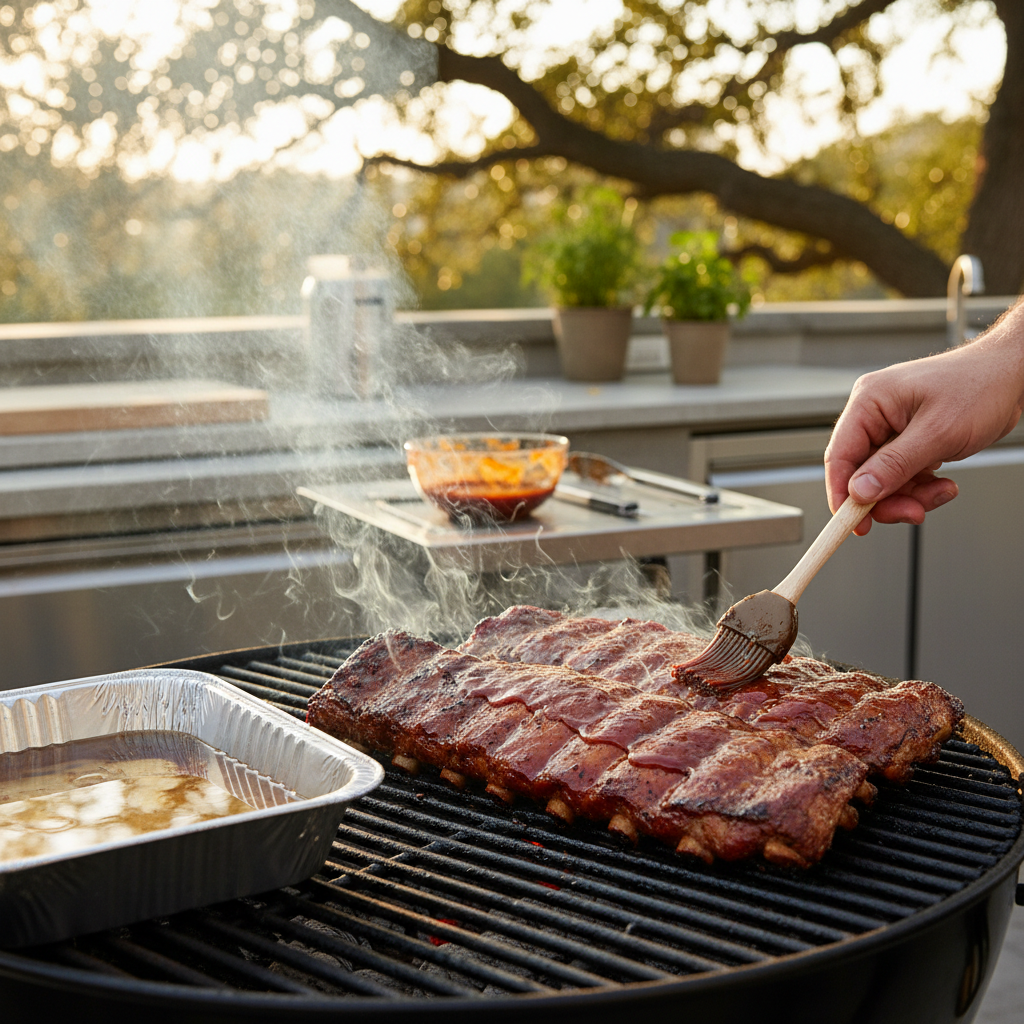
Key point: sauce at the end keeps sugars from burning and helps you control the final texture, sticky instead of scorched.
Common mistakes and small fixes that change everything
Most rib disappointments come from a few repeat offenders. The nice part, each one has a simple counter-move.
- Cooking uncovered the whole time: if you want fall-apart, add a wrapped phase or use a covered pan in the oven.
- Too much sugar early: sweet rubs darken fast, keep temps steady and sauce late.
- Over-smoking: heavy smoke can taste bitter, aim for clean, thin smoke on a smoker, and do not overload wood on a grill.
- Skipping salt: tenderness is not only cook time, properly seasoned ribs taste “juicier” even at the same moisture level.
- Slicing wrong: flip ribs bone-side up to see the bone lines clearly, then cut between them.
If you are feeding a crowd, cook earlier than you think and hold warm, ribs handle a gentle hold better than a rushed deadline.
Safety and when to ask for help
Pork ribs are generally safe when cooked properly, but food safety depends on more than tenderness. According to USDA Food Safety and Inspection Service (FSIS), you should avoid leaving perishable foods at room temperature for extended periods, and you should use a thermometer when in doubt.
If you are cooking for someone who is immunocompromised, pregnant, or has specific dietary risks, it can be smart to follow more conservative food safety practices and consider advice from a qualified professional.
Conclusion: a simple way to get tender ribs on purpose
When people ask how to cook ribs fall off the bone, what they usually need is a steadier low temp, enough time for collagen to soften, and a wrapped phase that protects moisture, then a short high-heat glaze so you still get that sticky finish.
Pick one method and repeat it twice before you start tweaking everything, then adjust only one variable at a time, usually cook time. If you want the quickest upgrade tonight, wrap your ribs and stop saucing early.
FAQ
- How do I make ribs fall off the bone in the oven without drying them out?
Wrap them tightly in foil with a small splash of liquid and cook around 275°F, then uncover only for a short sauce-setting broil. - Should I boil ribs first to make them tender?
Boiling can make ribs tender, but it often washes out flavor and changes texture, many home cooks get better results by wrapping and baking or smoking instead. - What temperature should ribs be for fall-off-the-bone tenderness?
Many cooks look for roughly 195–205°F in the thickest meat, but the probe feel and bend test matter more than chasing a single number. - Do I have to remove the membrane?
You do not have to, but removing it usually improves bite and helps seasoning penetrate, especially on baby backs. - Why did my ribs get tough after I sauced them?
If sauce goes on too early, sugars can burn and the surface tightens, sauce late and set it quickly over higher heat. - How do I keep ribs tender when holding them for a party?
Hold them wrapped in foil in a warm oven (often 150–170°F) for a short window, then glaze right before serving so the surface stays appealing.
If you are trying to dial in your ribs faster, it helps to write down your method, cooker temp, whether you wrapped, and what the bend test looked like, that tiny log makes the next cook feel a lot less like guesswork.