
Garlic butter shrimp is one of the fastest “real dinner” options, but it’s also easy to mess up: overcook it by a minute and you get rubbery shrimp, or the garlic turns bitter and the butter breaks. The good news is you don’t need fancy tools, you just need the right order and heat.
This guide walks you through a quick, dependable method, plus smart variations for pasta, rice bowls, and low-carb plates. I’ll also flag the small details people skip, like shrimp size, how to tell it’s done, and why you should add garlic when you do.
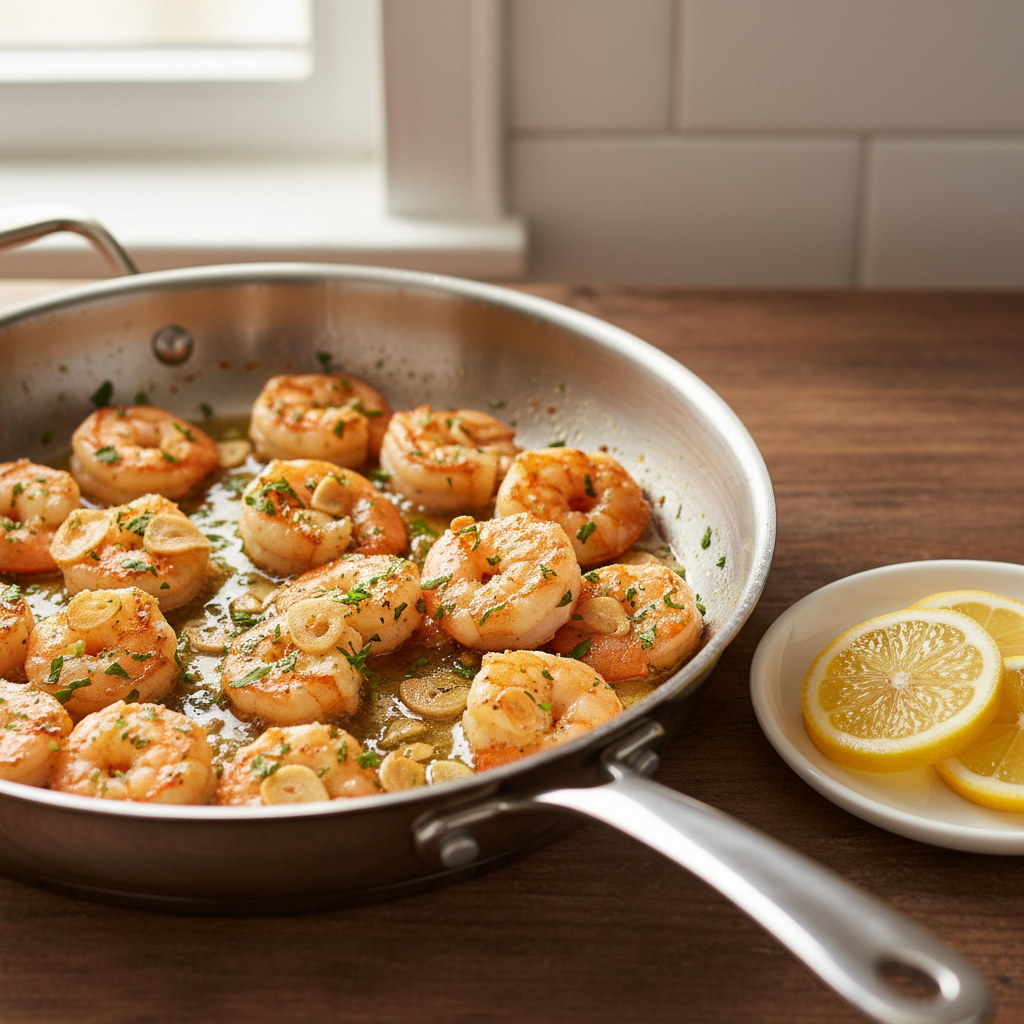
If you’re cooking for someone who “doesn’t like seafood,” this is often the recipe that changes their mind, because the flavors are familiar and the cook time stays short. Let’s keep it simple and get it right.
Why this recipe works (and why shrimp goes wrong)
Shrimp cooks fast, which is exactly why it’s unforgiving. Most failures come from a few predictable moves.
- Too much time on the heat: shrimp proteins tighten quickly, so even an extra minute can push it from juicy to bouncy.
- Garlic added too early: minced garlic can burn before the shrimp finishes, leaving bitterness that no lemon can fully hide.
- Wet shrimp = steamed shrimp: extra moisture prevents browning and dilutes the butter sauce.
- Butter scorches: butter alone can brown fast at high heat, so you need to manage temperature or buffer with oil.
According to the USDA, seafood should be cooked to a safe internal temperature of 145°F. Not everyone checks shrimp with a thermometer, but it’s a useful backstop if you’re unsure.
Ingredients and quick swaps (what matters most)
This is a short ingredient list recipe, so quality shows. Still, you can flex it based on what’s in your fridge.
Core ingredients
- Shrimp (peeled, deveined): 1 to 1.5 lb, thawed if frozen
- Butter: 3–4 tbsp
- Olive oil (or neutral oil): 1 tbsp to reduce butter scorching
- Garlic: 3–5 cloves, minced or thin-sliced
- Lemon: zest optional, juice at the end
- Salt + black pepper
- Parsley (optional but helpful): for freshness
Easy add-ins (choose 1–2)
- Red pepper flakes for gentle heat
- Paprika for color and mild sweetness
- A splash of white wine or chicken broth to extend the sauce
- Grated Parmesan (especially if serving with pasta)
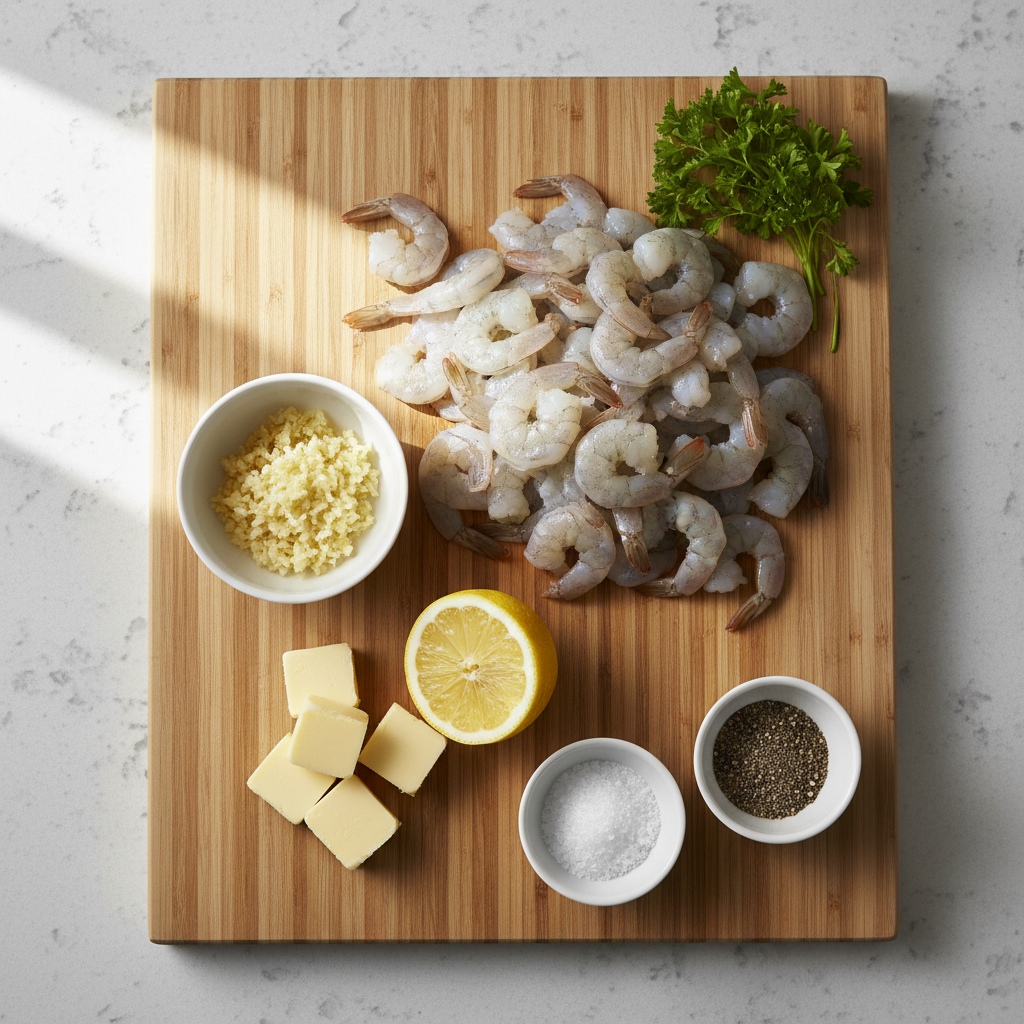
If your shrimp is pre-cooked (it often looks very pink and firm), this method needs adjusting. You’ll warm it in sauce briefly, not “cook” it again, or it turns chewy fast.
Quick garlic butter shrimp recipe (10–15 minutes)
This is the fast, repeatable approach: sear shrimp first, then add garlic, then finish with butter and lemon. You protect the garlic and keep the shrimp tender.
Step-by-step
- Dry the shrimp: pat with paper towels. Lightly season with salt and pepper.
- Heat the pan: medium-high heat, add oil. When it shimmers, you’re ready.
- Sear shrimp quickly: add shrimp in one layer. Cook about 60–90 seconds per side (varies by size) until just turning opaque.
- Lower heat, add garlic: reduce to medium. Add garlic and red pepper flakes (if using). Stir 20–30 seconds until fragrant, not browned.
- Add butter: swirl until melted and glossy. If the pan is very hot, pull it off heat for a few seconds while butter melts.
- Finish: squeeze lemon juice, toss with parsley. Taste, then adjust salt.
Key point: the shrimp should look plump and opaque with a gentle pink tone, not tight and curled into small “O” shapes. If you’re using a thermometer, aim for that 145°F safety target without lingering far beyond it.
Doneness, timing, and a quick size guide (table)
Shrimp size changes everything. Here’s a practical timing guide for a hot skillet; treat it as a range, because stoves and pans vary.
| Shrimp size | What it’s often labeled | Approx. cook time per side | Best use |
|---|---|---|---|
| Small | 51/60 | 45–75 sec | Tacos, salads, shrimp fried rice |
| Medium | 31/40 | 60–90 sec | Weeknight skillet meals |
| Large | 21/25 | 90–120 sec | “Main character” shrimp plates |
| Jumbo | 16/20 | 2–3 min | Entertaining, skewers (watch closely) |
If your shrimp releases lots of liquid, the pan may cool and you’ll lose sear. In that case, cook in two batches rather than forcing everything in at once.
Self-check: what’s causing your shrimp issues?
If your garlic butter shrimp hasn’t been hitting, this quick checklist usually tells you why.
- Rubbery texture: cooked too long, or reheated leftovers too aggressively.
- Bitter taste: garlic browned too hard, or butter scorched at high heat.
- Watery sauce: shrimp wasn’t dried, pan overcrowded, or thaw water wasn’t drained.
- Greasy mouthfeel: butter amount too high for the shrimp volume, or missing acid (lemon).
- Flat flavor: under-salted early, or finished without fresh lemon/parsley.
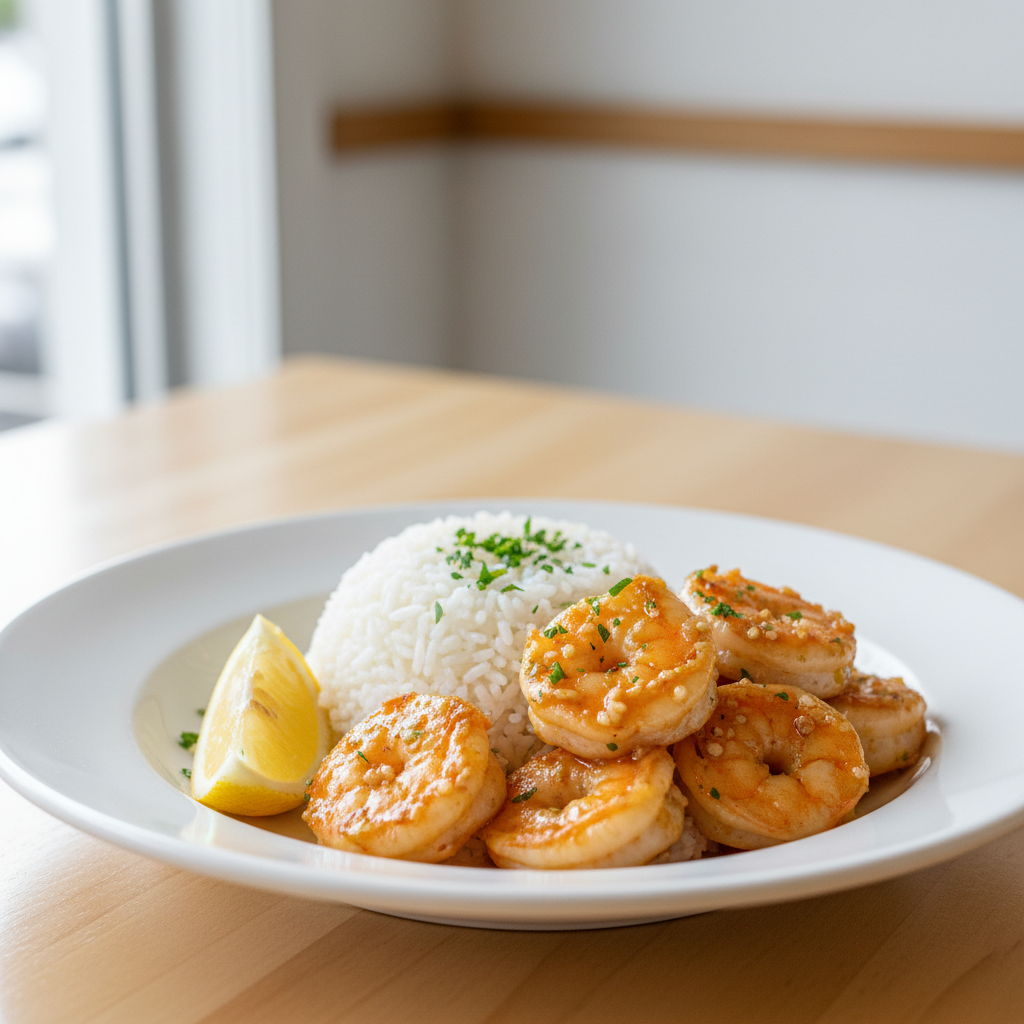
One more subtle one: pre-minced jarred garlic can taste harsher in quick sauces. It’s convenient, but if bitterness keeps showing up, fresh cloves often fix it.
Serving ideas and “make it a meal” options
This dish is flexible, which is why it’s a weeknight favorite. Choose a base that matches your mood and time.
Fast pairings
- Pasta: toss with spaghetti and a splash of pasta water to help the sauce cling.
- Rice or quinoa bowls: add steamed broccoli or sautéed spinach, spoon extra sauce on top.
- Crusty bread: honestly underrated, especially if you extend sauce with a spoon of broth.
- Low-carb: serve over zucchini noodles or a big arugula salad with extra lemon.
Quick flavor variations
- Cajun-ish: add Cajun seasoning lightly, but keep salt in check since blends vary.
- Ginger-garlic: add a little grated ginger, finish with scallions instead of parsley.
- Tomato butter: stir in a spoon of tomato paste after garlic, then loosen with broth.
When you’re aiming for “restaurant vibe,” the upgrade is usually not more butter, it’s better balance: a bit more salt early, lemon at the end, and heat control throughout.
Common mistakes (and what to do instead)
- Mistake: cooking garlic on high heat from the start.
Do this instead: sear shrimp first, then add garlic on medium for seconds, not minutes. - Mistake: thawing shrimp and leaving it wet.
Do this instead: drain well, pat dry, and let it sit salted for 5 minutes while you prep. - Mistake: flipping constantly.
Do this instead: let one side sear, then flip once. Less fuss, better browning. - Mistake: drowning the dish in lemon early.
Do this instead: finish with lemon off heat or at low heat to keep the sauce smooth.
Food safety note: if shrimp smells strongly “fishy,” feels slimy, or you’re uncertain about freshness, it’s safer to discard it. When in doubt, consider checking guidance from the FDA on seafood handling and storage.
Conclusion: the quick playbook to keep it juicy
If you remember nothing else, remember this: dry shrimp, hot pan, short sear, garlic late, butter gentle, lemon at the end. That rhythm keeps garlic butter shrimp fast and tender, without turning the kitchen into a project.
Tonight’s easiest next step: pick your base (pasta, rice, or salad), buy medium or large shrimp, and commit to pulling it off heat a touch earlier than you think. Shrimp finishes fast, and carryover heat is real.
FAQ
How do I keep garlic butter shrimp from getting rubbery?
Use high heat for a quick sear and stop cooking as soon as the shrimp turns opaque and plump. Most rubbery shrimp comes from extra time “just to be sure,” so rely on visual cues and, if you like, a thermometer to approach 145°F without overshooting.
Can I use frozen shrimp for this recipe?
Yes, and many people do. Thaw in the fridge overnight if possible, or use a cold-water thaw, then drain and pat dry. The drying step matters more than people expect.
Should I use salted or unsalted butter?
Either works, but unsalted gives you more control. If you use salted butter, season shrimp more lightly at the start and adjust at the end after tasting.
What’s the best pan for garlic butter shrimp?
A stainless steel skillet or cast iron tends to give better browning. Nonstick is fine for convenience, but you may get less sear, so keep the heat steady and avoid overcrowding.
Can I make garlic butter shrimp ahead of time?
It’s best fresh. If you need to prep, measure ingredients and mince garlic ahead, then cook right before serving. Reheating shrimp can make it chewy, so warm gently if you must.
Why did my butter sauce separate or look oily?
The pan was likely too hot when butter went in, or the sauce lacked a little moisture. Lower heat before adding butter, and consider a small splash of broth or pasta water to help it stay glossy.
Is garlic butter shrimp healthy?
It can fit a range of eating styles, but “healthy” depends on butter amount, sides, and your dietary needs. If you have medical nutrition concerns, it’s reasonable to check with a qualified professional.
If you’re cooking this on a busy night and want a more “no-thinking” routine, set up your ingredients in small bowls first, then run the pan in the same order every time. That small habit usually makes garlic butter shrimp feel effortless instead of stressful.