
Shrimp recipes are the quickest way to get a juicy, satisfying meal on the table when you have zero patience for a long cook time. Shrimp cooks fast, pairs with almost anything, and still feels “real dinner,” not a snack disguised as a meal.
If your shrimp sometimes turns rubbery or bland, it usually isn’t the recipe, it’s timing, heat, and a couple small prep steps. The good news, those are easy to fix, and once you lock them in, weeknight cooking gets way less stressful.
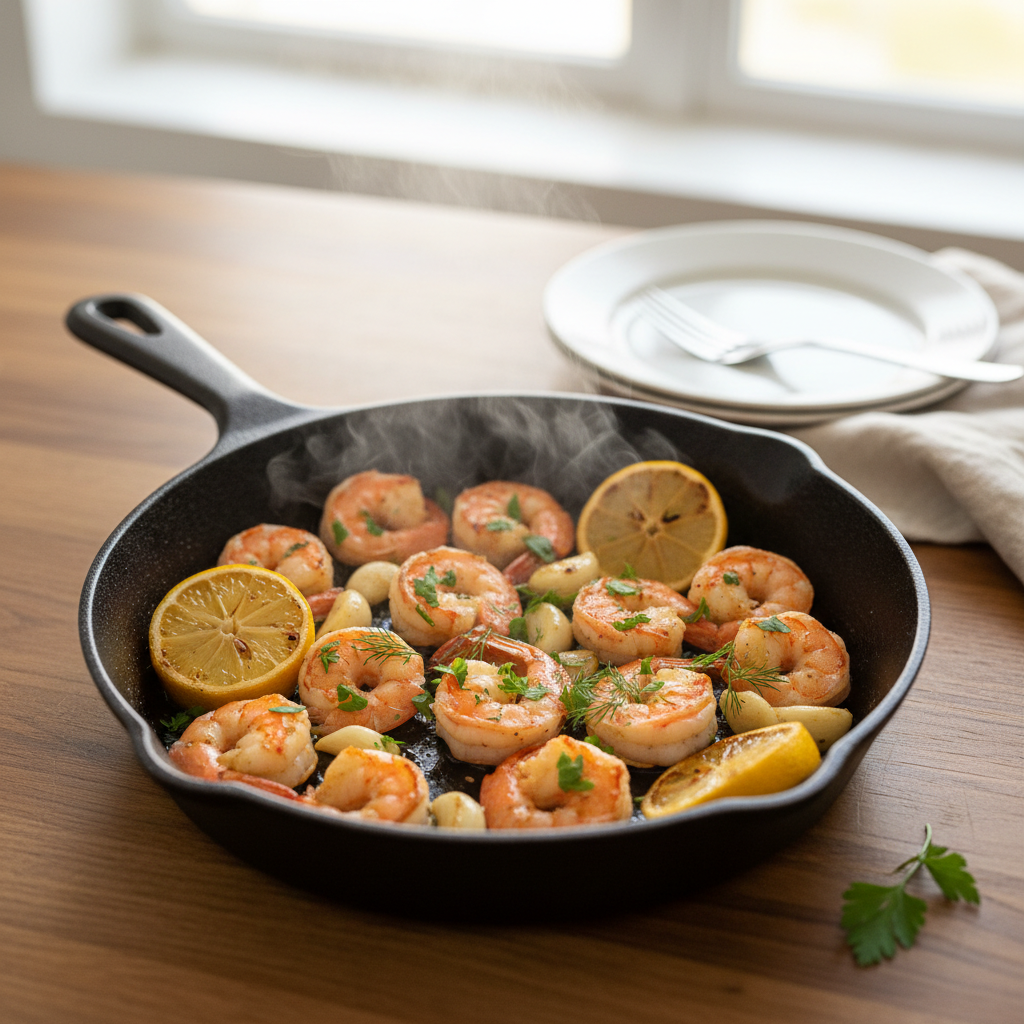
This guide focuses on practical, repeatable shrimp meals you can rotate: a few core cooking methods, a simple sauce framework, and a checklist to troubleshoot texture. You’ll also get a quick table to match shrimp size to the right dish, because that detail matters more than most people expect.
What makes shrimp “juicy” (and why it goes wrong)
Shrimp has very little room for error. It can go from perfect to tough in about a minute, especially in a hot pan. When people say they “can’t cook shrimp,” most of the time one of these is happening.
- Overcooking: The most common culprit. Shrimp is done when it turns opaque and curls into a loose C shape. If it tightens into an O, it’s often past ideal.
- Wet shrimp hitting the pan: Extra surface moisture steams instead of sears, so you miss browning and end up with diluted flavor.
- Not enough seasoning at the right time: Shrimp needs salt early, not only at the end, but heavy marinades can “cook” it unevenly.
- Wrong heat level: Too low and it weeps water, too high and the outside overcooks before the center catches up, especially with small shrimp.
According to the USDA, seafood should be cooked to safe internal temperatures; shrimp is typically considered done when it becomes firm and opaque, but if you have health concerns, a food thermometer and professional guidance can help you dial in safety with confidence.
A quick self-check before you start (it saves dinner)
Use this as a 60-second decision tool. It’s not glamorous, but it prevents the classic “why did this turn out weird?” moment.
- Fresh vs. frozen: Frozen shrimp is often a solid choice. Thaw in the fridge overnight, or in a sealed bag under cold running water.
- Size: “16/20” means 16–20 shrimp per pound. Bigger shrimp buys you a bit more timing tolerance.
- Peeled and deveined: Convenience matters on weeknights. If not deveined, do it for better texture and taste.
- Drying: Pat dry with paper towels before cooking, especially for pan-searing.
- Seasoning plan: Pick one direction: lemon-garlic, Cajun, or soy-ginger. Don’t try to do all three.
Quick shrimp size guide (use the right one for the job)
Buying shrimp can feel oddly technical. This table keeps it simple and helps you choose shrimp that fits the cooking method.
| Shrimp count (per lb) | Best for | Why it works | Typical cook time* |
|---|---|---|---|
| 10/15 (jumbo) | Grilling, sheet pan dinners | Harder to overcook, great texture | 2–4 min/side (grill) or 8–10 min (oven) |
| 16/20 (extra large) | Skillet, pasta, tacos | Fast but still forgiving | 2–3 min/side |
| 21/25 (large) | Stir-fries, bowls | Cooks quickly and coats with sauce well | 1–2 min/side |
| 31/40 (medium) | Soups, fried rice, salads | Mixes evenly, but overcooks easily | 60–90 sec/side |
*Times vary by pan, heat, and whether shrimp is chilled. Use visual cues and pull early.
The 3 fastest cooking methods (and when to use each)
Most weeknight shrimp recipes fall into one of these. Pick based on your energy level and the cleanup you can tolerate.
1) Skillet sear (best flavor for the effort)
- Pat shrimp dry, season with salt and pepper.
- Heat pan until hot, add a thin layer of oil.
- Cook in a single layer, don’t crowd. Flip once.
- Pull shrimp when just opaque; it finishes while you sauce.
Editor’s note: If you’re doubling a recipe, do two batches. Crowding is the fastest route to pale shrimp that tastes like “nothing happened.”
2) Sheet pan (hands-off, great for meal prep)
- Toss shrimp with oil, salt, and your seasoning.
- Add quick-cooking vegetables (asparagus, bell pepper strips, zucchini).
- Roast at high heat, then broil briefly for color if needed.
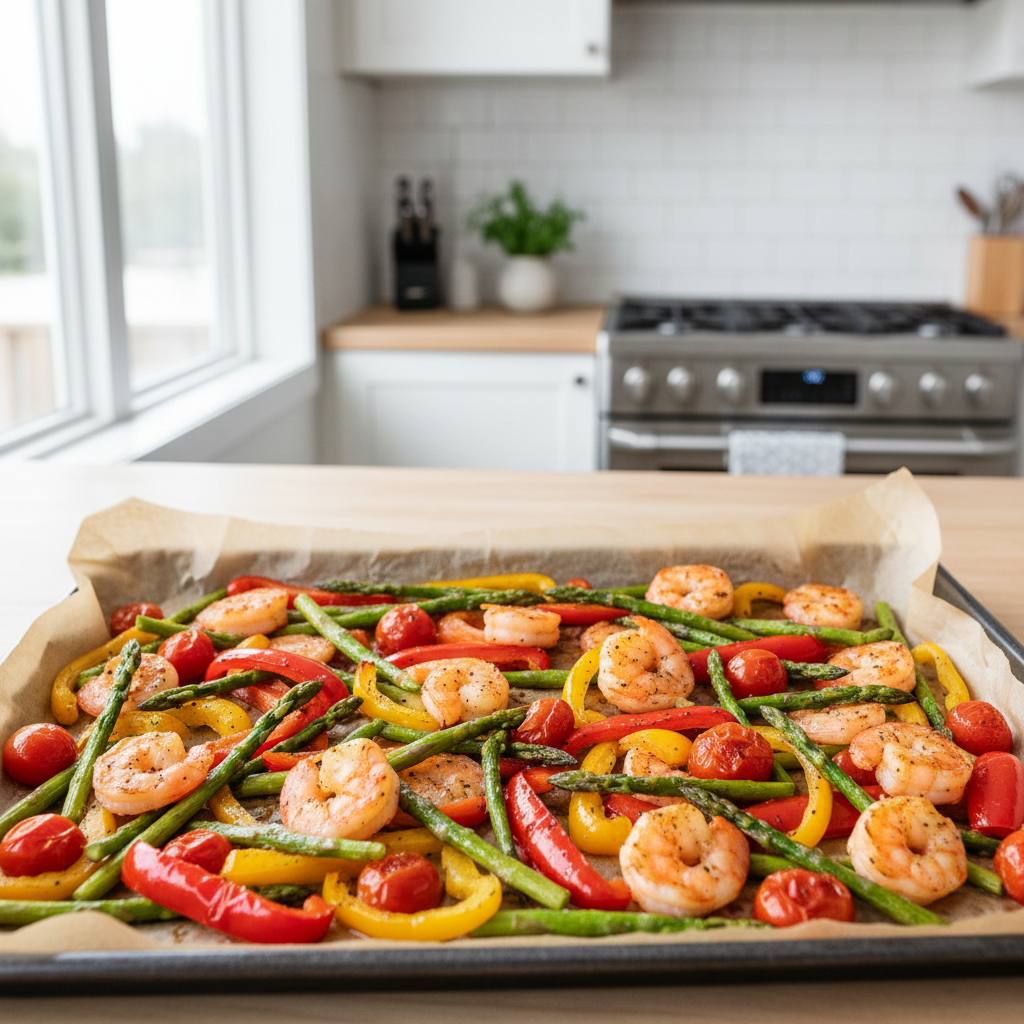
This method shines when you want dinner plus leftovers without babysitting the stove. Just remember vegetables and shrimp don’t always cook at the same speed, so cut veggies thin and add shrimp later if needed.
3) Quick poach (gentle, hard to mess up)
- Bring seasoned liquid to a simmer: water + salt + lemon + bay leaf, or broth.
- Turn heat down, add shrimp, and poach until opaque.
- Drain and toss with sauce or chilled dressing.
Poaching is underrated for shrimp salads, rice bowls, and meal prep, especially if you’re sensitive to smoke alarms or don’t want oil splatter.
5 juicy shrimp recipes you can rotate all month
These are designed for real schedules: minimal ingredients, fast cook time, flexible substitutions. Each one uses a “flavor anchor” so it tastes intentional, not improvised.
1) Lemon-garlic butter shrimp (skillet, 12–15 minutes)
- Flavor anchor: lemon zest + garlic
- Sear shrimp, remove to a plate.
- Lower heat, melt butter, add garlic 30 seconds.
- Return shrimp, add lemon juice, parsley, and a pinch of chili flakes.
Serve with pasta, rice, or toasted bread. If you want it brighter, add a splash of white wine or chicken broth to loosen the sauce.
2) Cajun shrimp tacos with slaw (15–20 minutes)
- Flavor anchor: Cajun seasoning + lime
- Quick slaw: shredded cabbage, lime juice, salt, a little mayo or yogurt.
- Sauté shrimp with Cajun seasoning, finish with lime.
- Warm tortillas, build with slaw and hot sauce.
If Cajun blends are salty, reduce added salt until you taste. That one small adjustment keeps the whole taco from tasting harsh.
3) Honey-soy garlic shrimp bowls (stovetop, 15 minutes)
- Flavor anchor: soy sauce + honey + garlic
- Mix sauce: soy, honey, grated garlic, ginger (optional), splash of rice vinegar.
- Sear shrimp, add sauce, toss 30–60 seconds until glossy.
Serve over rice with cucumbers or steamed broccoli. The trick is adding sauce at the end so sugar doesn’t burn.
4) Creamy tomato spinach shrimp (one pan, 20 minutes)
- Flavor anchor: tomato paste + parmesan
- Sear shrimp, remove.
- Sauté garlic, stir in tomato paste, add cream or half-and-half.
- Add spinach to wilt, return shrimp, finish with parmesan.
This one tastes like restaurant comfort food, but it’s still a weeknight move. If you prefer lighter, use evaporated milk or a mix of milk and broth.
5) Shrimp fried rice “shortcut” (20 minutes, best with leftover rice)
- Flavor anchor: toasted sesame oil + scallion
- Scramble eggs, set aside.
- Cook shrimp briefly, remove.
- Stir-fry cold rice with veggies, add soy sauce, return eggs and shrimp.
Cold rice matters because it stays separate. If your rice is fresh, spread it on a sheet pan for a few minutes to cool and dry.
My go-to “build-a-sauce” formula for endless variations
If you keep a couple staples, you can improvise shrimp recipes without it tasting random. Think of it as a template, not a strict recipe.
- Fat: butter, olive oil, or a neutral oil
- Aromatic: garlic, shallot, scallion, or ginger
- Acid: lemon, lime, rice vinegar, or a splash of wine
- Umami: parmesan, soy sauce, miso, fish sauce (tiny amount)
- Heat/smoke: chili flakes, hot sauce, smoked paprika
- Fresh finish: herbs, zest, or chopped tomato
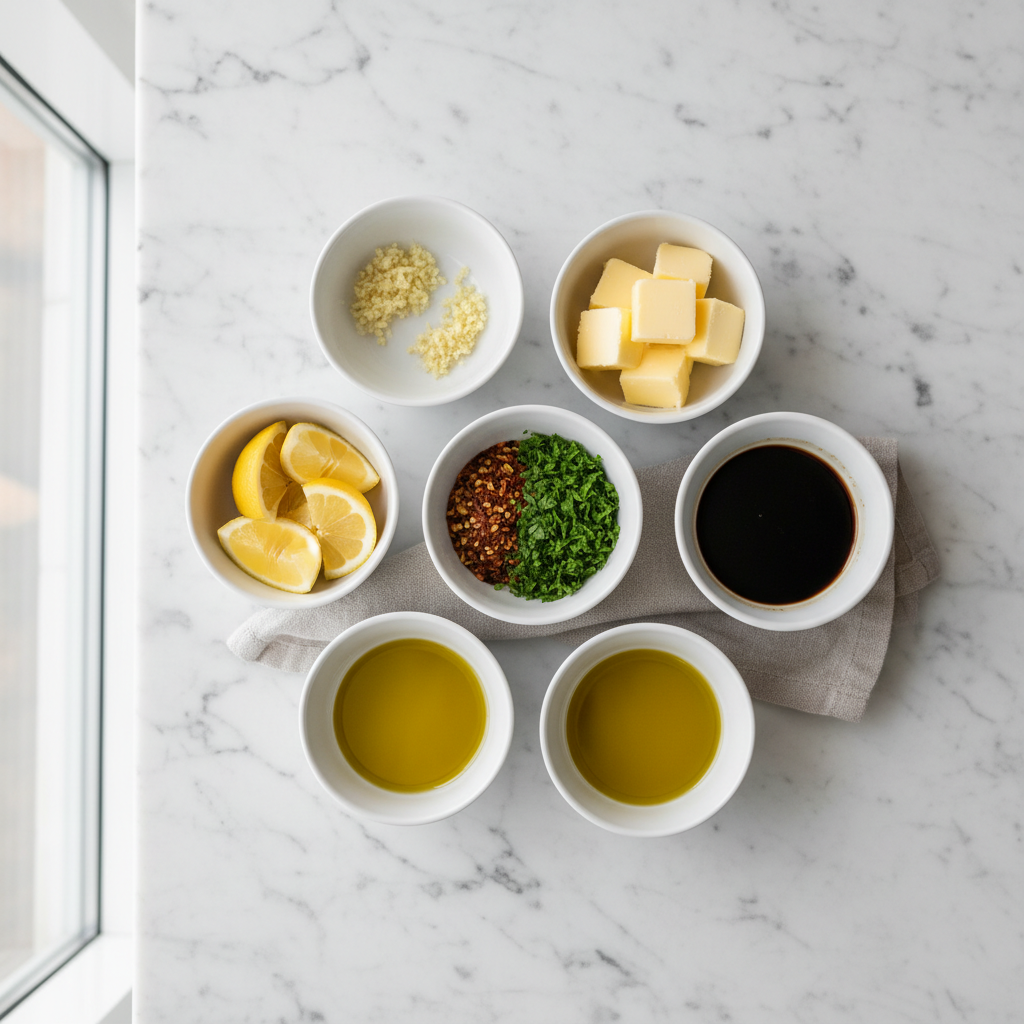
Key point: Cook shrimp almost to done, then toss in sauce briefly. You want sauce to coat shrimp, not to simmer shrimp for minutes.
Practical tips that make shrimp dinners easier (and less messy)
- Buy peeled/deveined for weeknights: Save shell-on for weekend cooking when you want the “project.”
- Salt early, marinate briefly: If using acidic marinades (lemon/lime), keep it short because texture can get mealy.
- Use two plates: One for raw shrimp, one for cooked. Basic food safety, but people skip it when rushed.
- Keep frozen shrimp as backup: It’s a reliable pantry meal, and it turns “nothing in the fridge” into dinner.
- Don’t chase deep browning on tiny shrimp: You’ll overcook it. Browning is easier with larger sizes.
If you cook for someone pregnant, immunocompromised, or with specific dietary needs, it’s wise to follow conservative food safety guidance and, when unsure, ask a qualified professional.
Conclusion: a small timing upgrade changes everything
Most juicy shrimp meals come down to two habits: dry the shrimp, then stop cooking a touch earlier than you think. From there, a simple sauce and the right shrimp size can carry you through a lot of weeknights without repeating yourself.
If you want a quick win tonight, pick one method (skillet or sheet pan), choose one flavor anchor (lemon-garlic, Cajun, or honey-soy), and keep the ingredient list short. Your future self will thank you when cleanup stays manageable.
FAQ
What are the best shrimp recipes for beginners?
Skillet lemon-garlic shrimp and sheet pan shrimp with veggies are usually the easiest. They use simple cues like “opaque and lightly curled,” so you don’t need perfect timing instincts on day one.
How do I keep shrimp from turning rubbery?
High heat plus short cook time helps, but the real trick is pulling shrimp as soon as it turns opaque. Let it finish in sauce or residual heat instead of cooking it “just to be safe.”
Is frozen shrimp okay for quick meals?
In many cases, yes. Frozen shrimp can be very good, especially when it’s frozen soon after harvest. Thaw safely, pat dry, and cook the same way you would fresh.
Should I rinse shrimp before cooking?
It’s usually better to skip rinsing because it adds moisture and can splash contaminants around the sink. Patting dry is more helpful for flavor and texture.
What size shrimp should I buy for pasta or tacos?
Extra large (16/20) or large (21/25) works well for most pasta and taco meals. They cook quickly but still give you that satisfying bite.
Can I cook shrimp straight from frozen?
Some methods allow it, especially poaching, but texture often improves with proper thawing and drying. If you’re short on time, thaw in a sealed bag under cold running water, then pat dry.
How long does cooked shrimp last in the fridge?
It commonly holds for a couple days when refrigerated promptly in a sealed container, but food safety can vary by handling and temperature. When in doubt, follow conservative guidelines and discard if it smells off or looks slimy.
If you’re building a weeknight rotation, keep one bag of frozen shrimp, one quick seasoning blend, and one “signature” sauce template on hand, it’s a low-effort setup that makes shrimp dinners feel almost automatic without being boring.