
Coconut recipes are one of the easiest ways to make everyday meals taste like a vacation, but they also tend to frustrate people fast: watery curry, gritty texture, or desserts that somehow taste “sunscreen-y.” The good news is it’s rarely your cooking skills, it’s usually the coconut ingredient choice and timing.
In most U.S. kitchens, coconut shows up as milk, cream, water, oil, flakes, flour, and even aminos, and they’re not interchangeable. If you pick the right form for the job and treat it gently, you get that clean tropical aroma and a richer finish without making the dish heavy.
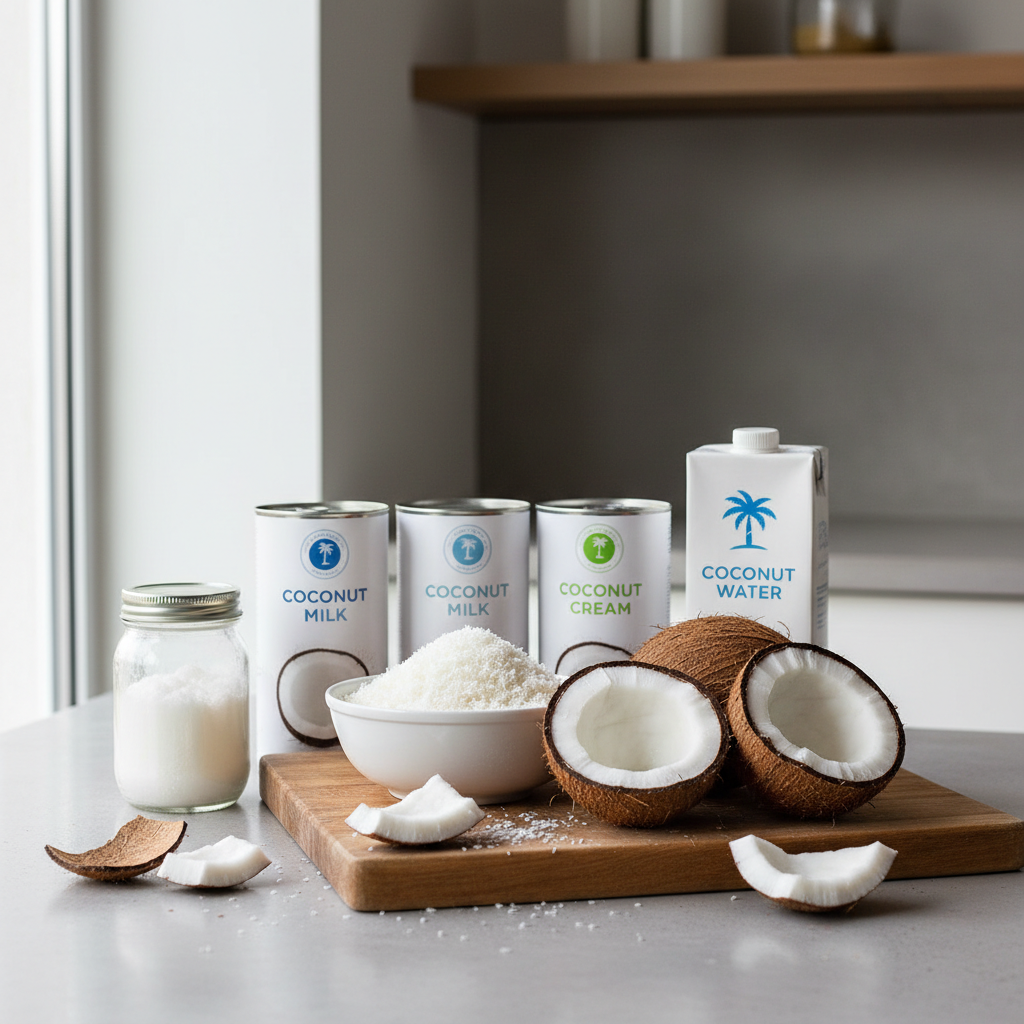
This guide focuses on practical, weeknight-friendly tropical ideas: a few savory staples, a couple desserts, and a smart way to use leftovers. I’ll also flag common pitfalls, because coconut can go from “wow” to “why does this taste weird” with one small mistake.
Pick the right coconut ingredient (it matters more than the recipe)
Before you cook, decide what role coconut plays: creamy base, subtle aroma, crunch, or sweetness. Most “fails” come from using the wrong product and trying to fix it with extra sugar or extra simmering.
Quick coconut cheat sheet
| Coconut ingredient | Best for | Common mistake | Fix |
|---|---|---|---|
| Coconut milk (canned) | Curries, soups, rice | Using “lite” and expecting richness | Use full-fat, or finish with coconut cream |
| Coconut cream | Desserts, whipped topping, thick sauces | Boiling hard until it breaks | Simmer gently, stir often |
| Coconut water | Smoothies, marinades, rice cooking liquid | Treating it like coconut milk | Use for light flavor, not creaminess |
| Shredded coconut | Granola, cookies, crusts, garnish | Skipping toast step | Toast briefly for deeper flavor |
| Coconut oil | Sauté, baking (some recipes) | Using too much, overpowering the dish | Use as an accent fat, not the only flavor |
Key takeaway: when a recipe says “coconut,” it’s not being vague, it’s being incomplete. If you want tropical flavor with a creamy body, canned full-fat coconut milk is usually the starting point.
Why coconut dishes go wrong in real kitchens
Most problems are predictable, and once you know the pattern, you stop wasting ingredients. Here are the big ones I see in home cooking discussions and recipe reviews.
- Separation in sauces: boiling coconut milk hard can split fat and water, especially if acid goes in early.
- “Plastic” aroma: old shredded coconut or oxidized coconut oil can taste stale, even if it’s not expired.
- Watery curry: using coconut beverage from the dairy aisle (often thinner) instead of canned coconut milk.
- Too sweet, not tropical: coconut + lots of vanilla + too much sugar can flatten flavor; citrus or salt often helps more.
- Gritty texture: some coconut flours and unsweetened flakes need hydration time, or they stay sandy.
According to USDA FoodData Central, nutrition values and ingredient profiles vary widely across coconut products, which is a polite way of saying “one coconut item does not behave like another.” Reading the label saves you a lot of guesswork.
A quick self-check: which coconut recipe problem are you having?
If you know what’s off, you can fix it without restarting the dish. Use this quick diagnostic list.
- Your sauce looks oily or grainy: heat is too high, or acid went in too early, lower to a gentle simmer and stir.
- Flavor is weak: you likely need a pinch more salt, a squeeze of lime, or a toasted garnish, not more coconut milk.
- Flavor is “too coconut”: dial back coconut oil, add ginger, citrus zest, or savory aromatics to balance.
- Too thin: simmer uncovered, or add a spoon of coconut cream near the end.
- Too sweet: add salt, lime, or a little bitterness like cacao or coffee, depending on the dish.
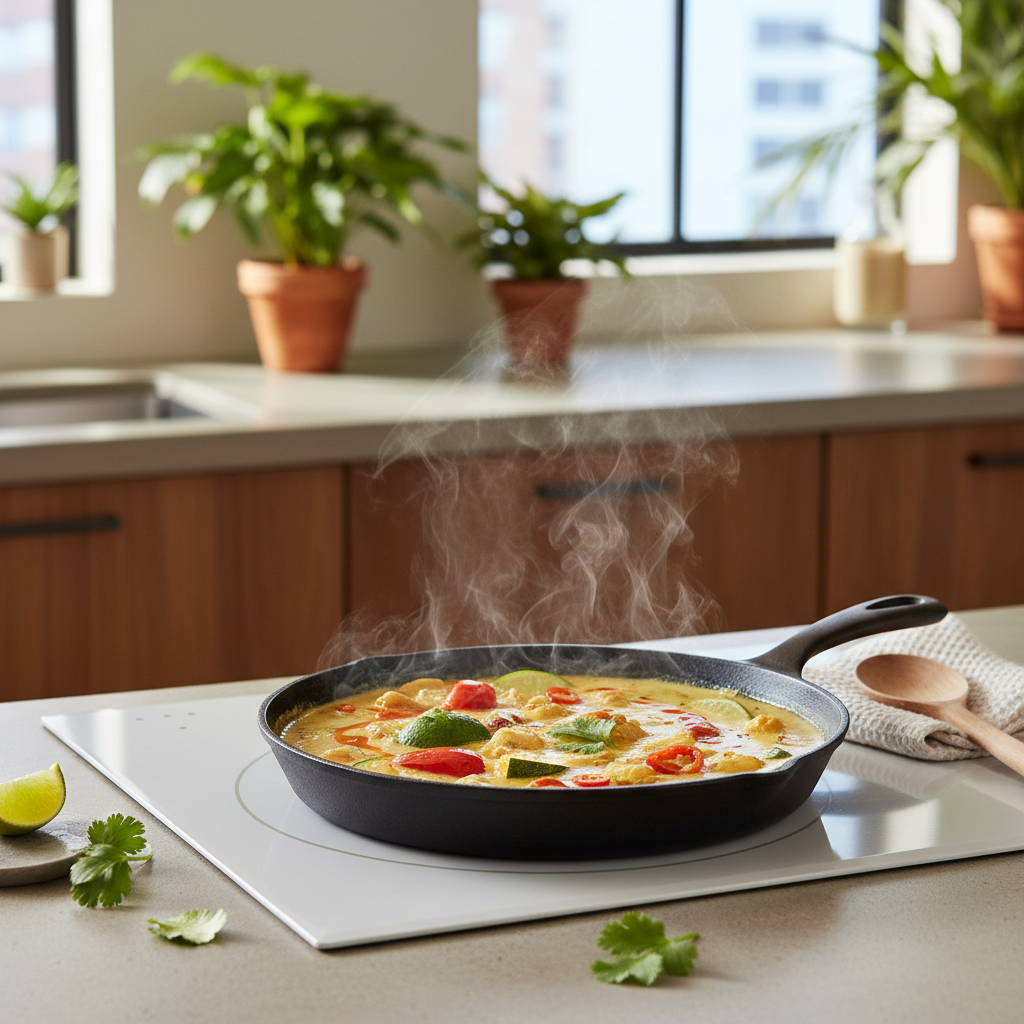
If two or more of these hit at once, it’s usually product choice plus heat control. Fix those first, then adjust seasoning.
5 tropical coconut recipes you can actually rotate weekly
These are designed to be flexible, because most people don’t want a one-off “project” dish on a Tuesday. Each idea includes the small move that makes it taste more island-style.
1) Pineapple coconut rice (savory-sweet side)
- Base: cook jasmine rice with half water, half canned coconut milk.
- Tropical lift: fold in crushed pineapple (drained) and lime zest at the end.
- Don’t skip: salt early; coconut needs salt to taste like itself.
2) Weeknight coconut curry chicken (or chickpeas)
- Base: sauté onion, garlic, ginger, curry paste or powder, then add full-fat coconut milk.
- Tropical lift: finish with lime juice and a handful of chopped cilantro.
- Texture trick: simmer gently, don’t boil hard.
3) Coconut shrimp with toasted coconut crust
- Base: coat shrimp in flour, egg, then a mix of panko + shredded coconut.
- Tropical lift: serve with a quick dip of mayo + lime + pinch of chili.
- Don’t skip: toast the shredded coconut lightly if it tastes flat.
4) Mango coconut smoothie (not overly sweet)
- Base: frozen mango, coconut water, Greek yogurt or a dairy-free alternative.
- Tropical lift: tiny pinch of salt and squeeze of lime to sharpen fruit.
- Watch out: sweetened coconut water can push this into “dessert drink.”
5) Coconut-lime chia pudding (make-ahead breakfast)
- Base: chia + coconut milk (or half coconut milk, half regular milk), chill overnight.
- Tropical lift: lime zest and toasted coconut flakes on top.
- Texture trick: whisk twice in the first 20 minutes to prevent clumps.
Practical execution: a 30-minute coconut game plan
If you want coconut meals without a new shopping list every time, build a small “tropical kit” and use repeatable steps.
What to keep on hand
- 2–4 cans full-fat coconut milk
- 1 can coconut cream (for finishing sauces or desserts)
- Unsweetened shredded coconut (freezes well)
- Limes, fresh ginger, garlic
- One “heat” option: chili flakes, curry paste, or hot sauce you like
A simple workflow that fits most coconut recipes
- Start aromatic: onion, garlic, ginger in a little oil.
- Bloom spice briefly: 30–60 seconds so it smells fragrant, not raw.
- Add coconut milk, then lower heat: keep it at a gentle simmer.
- Balance at the end: salt + acid (lime) + a fresh herb or zest.
This “end balance” step is the difference between coconut that tastes heavy and coconut that tastes bright.
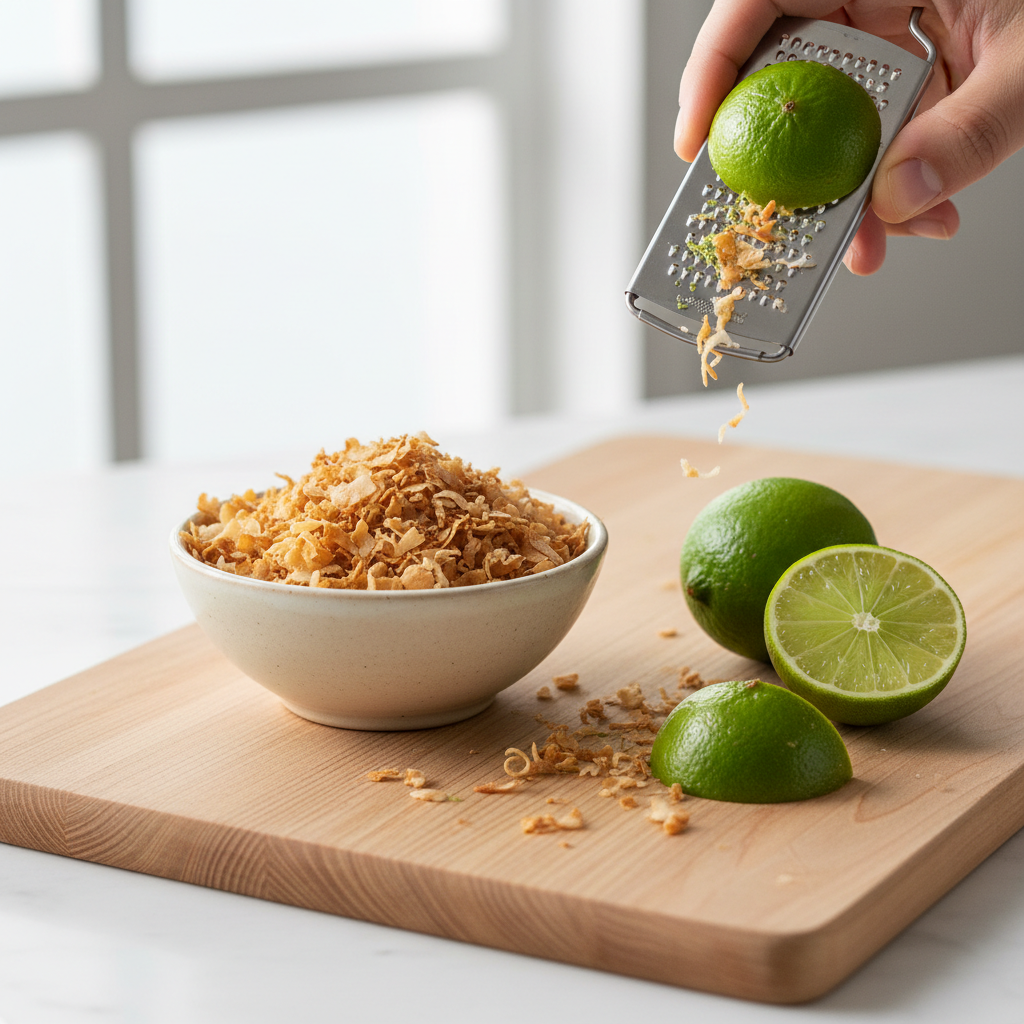
One more realistic tip: if you cook with coconut weekly, buy brands you trust and stick with them. Coconut milk thickness varies a lot by brand, and “same recipe, different can” changes results more than people expect.
Common mistakes and small fixes that save the dish
These are the tweaks that keep coconut flavor clean and tropical instead of muddy.
- Over-reducing coconut milk: you can reduce, but keep heat low; if it separates, whisk and add a splash of water to recover.
- Adding lime too early: acid can encourage splitting, so add citrus near the end.
- Going all-in on coconut oil: use it as a background note; neutral oil plus a spoon of coconut oil often tastes better.
- Skipping salt in sweet recipes: a small pinch makes coconut taste more “coconut,” not more salty.
- Using old shredded coconut: if it smells dusty, toast lightly and taste; if still off, replace.
When it’s worth asking for professional guidance
If you’re cooking for someone with allergies or a medical diet, coconut can be tricky because it shows up in unexpected places, especially packaged foods. According to FDA guidance on food allergens and labeling, it’s smart to read labels carefully and confirm ingredients when cooking for others.
For personal nutrition questions, like using coconut-heavy meals for cholesterol management or specific health goals, it’s reasonable to ask a registered dietitian, since saturated fat content can vary by product and serving size, and advice depends on the full diet picture.
Conclusion: keep coconut tropical, not complicated
The best coconut recipes aren’t the most elaborate, they’re the ones where coconut is used for a clear purpose, then balanced with salt and bright acidity. If you try one thing this week, switch to full-fat canned coconut milk for creamy dishes, then finish with lime and a toasted garnish, it changes everything without extra work.
Action idea: pick one savory dish and one make-ahead breakfast from the list, buy the coconut products specifically for those two, and see how consistent your results get when the ingredients match the job.
FAQ
What’s the difference between coconut milk and coconut cream in coconut recipes?
Coconut cream is thicker and higher in fat, so it’s better for desserts, whipped toppings, or finishing sauces. Coconut milk works as a cooking liquid for curries, soups, and rice. If a dish feels thin, a spoon of coconut cream near the end often helps more than longer boiling.
Can I substitute carton coconut milk (the drink) for canned coconut milk?
Sometimes, but results often turn watery because carton versions are formulated for drinking and can be much thinner. If you do it anyway, plan to reduce gently and consider thickening with coconut cream or a small slurry, depending on the recipe.
How do I stop coconut curry from separating?
Keep heat at a gentle simmer and avoid adding lime or other acids until the end. If it starts to look oily, lowering heat and whisking can bring it back; in many cases it still tastes fine even if it looks imperfect.
Are coconut recipes automatically dairy-free?
Not always. Many coconut dishes include butter, yogurt, or condensed milk. If dairy matters for you, check every ingredient, especially dessert recipes and sauces.
How can I make coconut flavor stronger without making the dish heavy?
Use aroma boosters: toasted shredded coconut, lime zest, ginger, and a pinch of salt. Those often read as “more coconut” to your palate without adding more fat or sweetness.
What protein pairs best with tropical coconut flavors?
Chicken, shrimp, and firm tofu are the most forgiving because they take on sauce easily. Pork can work too, but it tends to want something acidic or herbal to keep the overall flavor from feeling rich.
What’s an easy dessert when I only have shredded coconut?
Toast the shreds, then use them in a quick cookie, granola cluster, or as a topping over fruit and yogurt. Toasting is the difference-maker; untoasted coconut can taste flat in simple desserts.
How should I store leftover coconut milk?
Transfer it to a sealed container and refrigerate, then use within a few days. It often separates when cold, so stir or gently warm it to recombine before using.
If you’re building a small rotation of coconut recipes and want it to feel consistent, start by standardizing your coconut milk brand and keeping a “tropical finishing kit” on hand, lime, toasted coconut, ginger, and a heat option, it’s the simplest way to get repeatable results without turning dinner into a project.