
Chocolate recipes can feel deceptively simple until you’re staring at a pan of dry brownies or a seized ganache, wondering what went wrong. This guide sticks to the classics people actually crave, plus the small technique upgrades that make desserts taste “bakery-level” without turning your kitchen into a science lab.
You’ll get a short list of go-to decadent desserts, what cocoa and chocolate to buy, how to avoid the most common texture disasters, and a few smart variations for allergies or pantry gaps. If you like a recipe that works the first time, you’re in the right place.
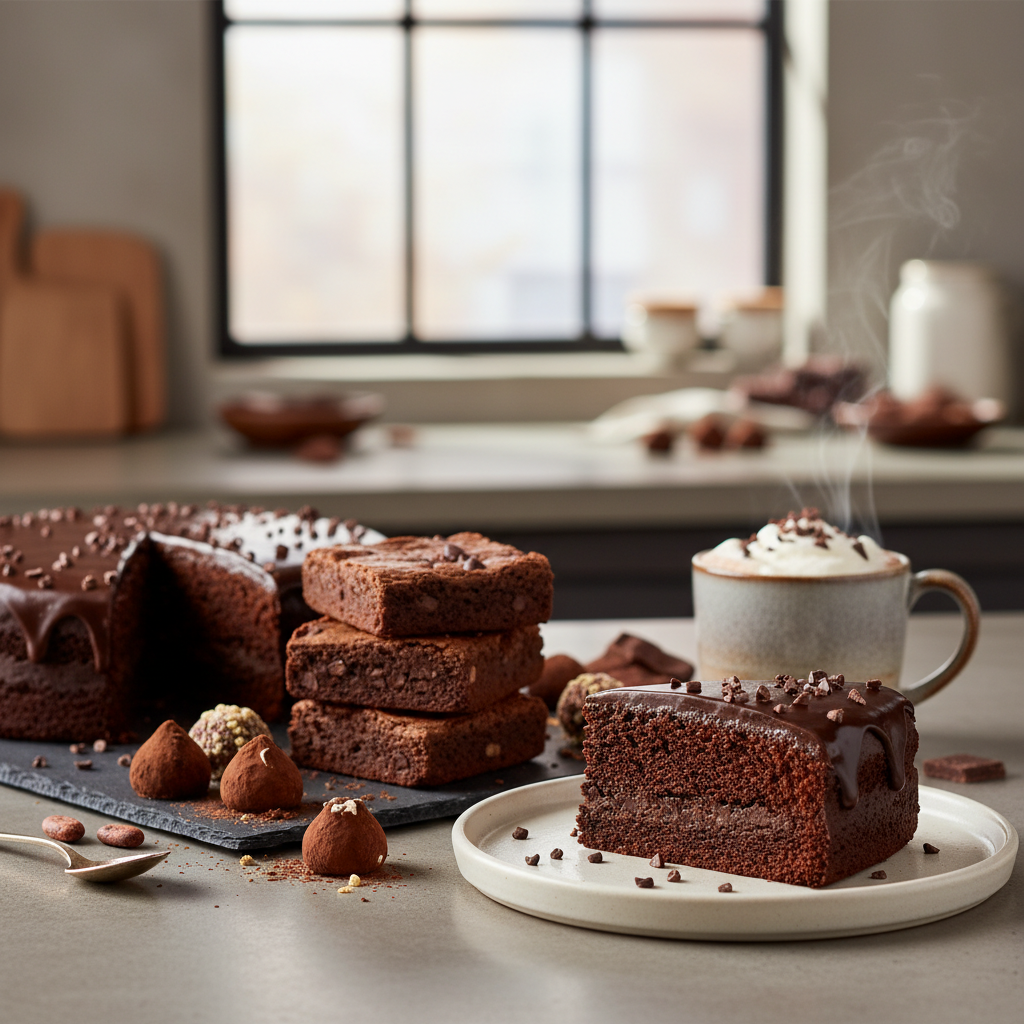
One quick note before we dive in: “decadent” usually means two things, high cocoa flavor and a texture that feels lush, fudgy, silky, or mousse-like. Most fails happen because we chase flavor while accidentally breaking structure, so I’ll keep calling out the tiny moves that protect both.
Decadent chocolate desserts, at a glance
If you want a quick decision, this table helps match the dessert to your time, skill level, and the kind of “wow” you’re after.
| Dessert | Best for | Texture goal | Time (active) | Common pitfall |
|---|---|---|---|---|
| Fudgy brownies | Potlucks, gifting, weeknight baking | Dense, chewy edges, gooey center | 15–25 min | Overbaking |
| Molten lava cakes | Date night, small dinner parties | Set outside, liquid center | 15–20 min | Timing and ramekin prep |
| Chocolate mousse | Make-ahead entertaining | Airy but rich | 20–30 min | Grainy chocolate from temperature shocks |
| Ganache tart | Clean slices, elegant finish | Silky, truffle-like | 25–35 min | Split ganache |
| Truffles | Holidays, edible gifts | Soft center, snappy coating (optional) | 25–40 min | Too-warm hands, messy dipping |
Why “decadent” chocolate recipes go wrong in real kitchens
The heartbreak usually isn’t your oven “running hot” or you “not being a baker.” It’s a few predictable chemistry issues that show up across nearly all chocolate desserts.
- Heat shocks chocolate: when melted chocolate meets cold liquid, it can turn thick and grainy. Gentle warming and small additions prevent most problems.
- Overmixing builds toughness: once flour is involved, stirring too much develops gluten and your brownies or cake lose that tender bite.
- Wrong endpoint: many chocolate bakes should look slightly underdone when they come out. Residual heat finishes the job.
- Fat and water don’t play nice: a tiny bit of water can cause seized chocolate, especially during melting. Dry bowls matter more than people think.
According to USDA Food Safety and Inspection Service (FSIS), perishable foods should not sit at room temperature for more than 2 hours (1 hour if above 90°F). That matters for mousse, whipped cream toppings, and custard-like fillings when you’re serving a party spread.
Ingredient picks that actually move the needle
These choices impact flavor and texture more than fancy decorating ever will.
Chocolate: bars vs chips
For many chocolate recipes, baking bars melt more smoothly than standard chocolate chips, which often include stabilizers to hold their shape. If chips are what you have, they still work, but for ganache and mousse you’ll usually get a silkier result with bar chocolate.
- Bittersweet (60–72%): the most versatile “decadent” range, deep flavor without being harsh.
- Semisweet: slightly sweeter, great for brownies and crowd-pleasers.
- Milk chocolate: best when you want a softer, caramel-ish profile, but it can taste flat if over-sweetened elsewhere.
Cocoa powder: natural vs Dutch-process
Natural cocoa is more acidic and often brighter; Dutch-process is treated to be less acidic and can taste smoother. Many recipes specify one because it affects leavening. If a recipe relies on baking soda and you swap cocoas, results might shift, sometimes subtly, sometimes not.
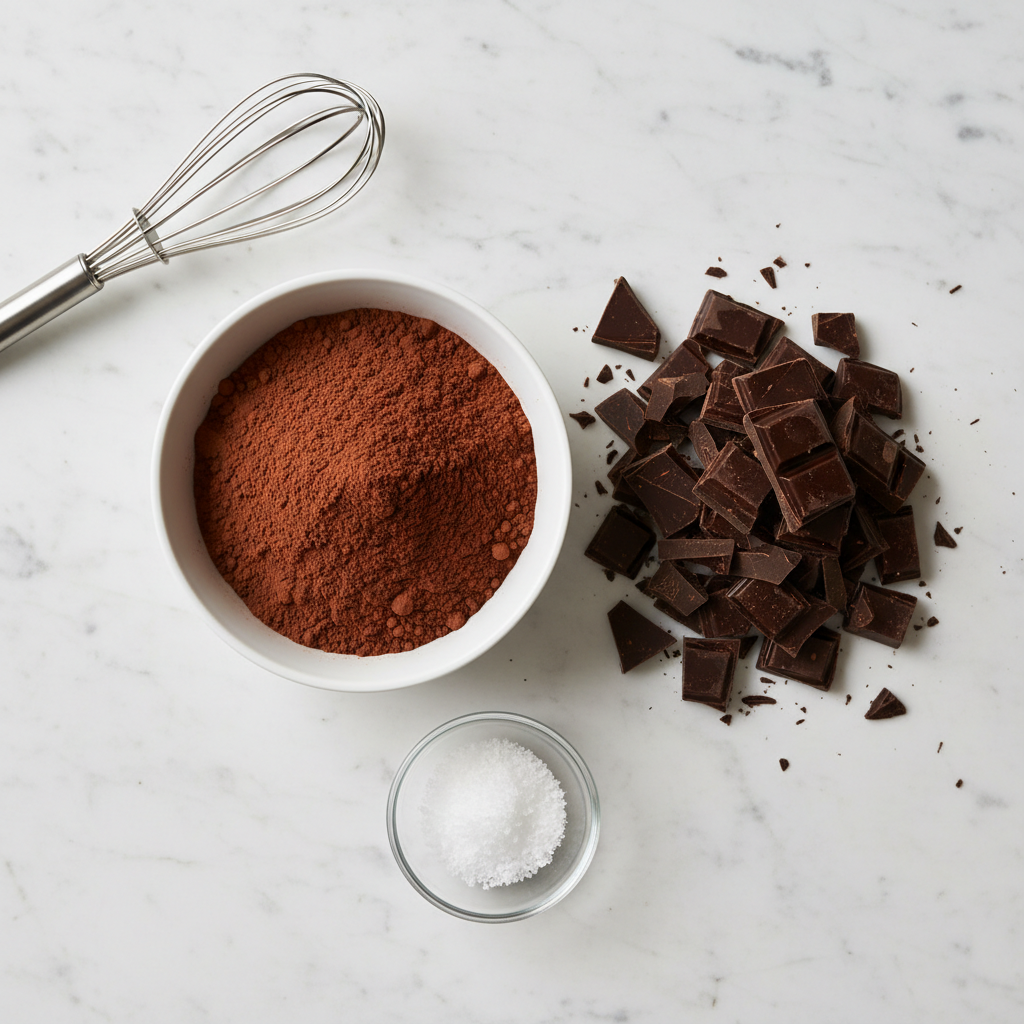
Salt, espresso, and vanilla (the quiet amplifiers)
Salt doesn’t make desserts salty, it makes chocolate taste more like itself. A small amount of espresso powder can deepen cocoa flavor without tasting like coffee. Vanilla rounds edges, especially in dark chocolate desserts.
A quick self-check: which dessert should you make tonight?
If you’re stuck choosing, use this checklist. It’s not “rules,” just a practical way to avoid the wrong project on the wrong day.
- If you want fast payoff and minimal cleanup, pick fudgy brownies.
- If you need a dramatic restaurant moment, go for lava cakes (but commit to serving immediately).
- If you need make-ahead, choose mousse or a ganache tart.
- If you’re shipping or gifting, truffles travel better than most frosted cakes.
- If your kitchen runs warm and you hate stress, avoid anything that needs perfect whipped cream peaks.
Five decadent chocolate recipes (with steps that prevent the usual mistakes)
These are written as reliable playbooks rather than ultra-specific branded formulas. You can plug in your favorite recipe, but keep the techniques.
1) Fudgy brownies with shiny tops
Goal: dense, moist center; thin crackly crust.
- Melt butter and chocolate together gently, then stir in sugar while warm. That warmth helps dissolve sugar for a glossier top.
- Whisk eggs and vanilla until well combined, not foamy, then fold in the chocolate mixture.
- Add flour and cocoa last, mix just until you stop seeing dry streaks.
- Pull early: brownies should still look slightly underdone in the center. Cool fully before slicing for clean edges.
Fix if they came out dry: next time reduce bake time by a few minutes and use a metal pan for more even heat. Also, don’t rely on a toothpick coming out “clean,” that’s a cakey brownie signal.
2) Molten lava cakes that actually flow
Goal: set shell, molten center, no panic.
- Butter ramekins thoroughly, then dust with cocoa instead of flour for a cleaner chocolate finish.
- Melt chocolate and butter, cool slightly, then mix in sugar and eggs.
- Fold in a small amount of flour, the batter should look thick but pourable.
- Bake until edges set and centers still jiggle slightly, then rest 1 minute and unmold.
Timing tip: oven variance is real, so do a single “test cake” the first time you try a new oven or ramekin size. It saves dinner parties.
3) Two-ingredient ganache (plus how to rescue it)
Goal: glossy, spoon-coating chocolate that works for frosting, drips, or tart filling.
- Chop chocolate finely and put it in a dry bowl.
- Heat heavy cream just to steaming, then pour over chocolate and wait 2–3 minutes before stirring.
- Stir from the center outward until smooth. Avoid whipping air into it.
If ganache splits and looks oily or grainy, don’t toss it. Often you can whisk in a small splash of warm cream, a teaspoon at a time, until it emulsifies again. If it seized from water exposure, gentle warming and slow additions sometimes help, but results vary.
4) Chocolate mousse without the grainy texture
Goal: airy and rich, not chalky.
- Melt chocolate and let it cool until it feels warm, not hot.
- Whip cream to soft peaks, it should look like a thick milkshake, not stiff.
- Fold a small scoop of whipped cream into chocolate first to “loosen” it, then fold in the rest gently.
- Chill at least 2 hours for the texture to set.
Food safety note: some mousse styles use raw or lightly cooked eggs; if you’re serving kids, pregnant guests, or anyone immunocompromised, consider egg-free versions or recipes using pasteurized eggs, and when in doubt ask a qualified professional.
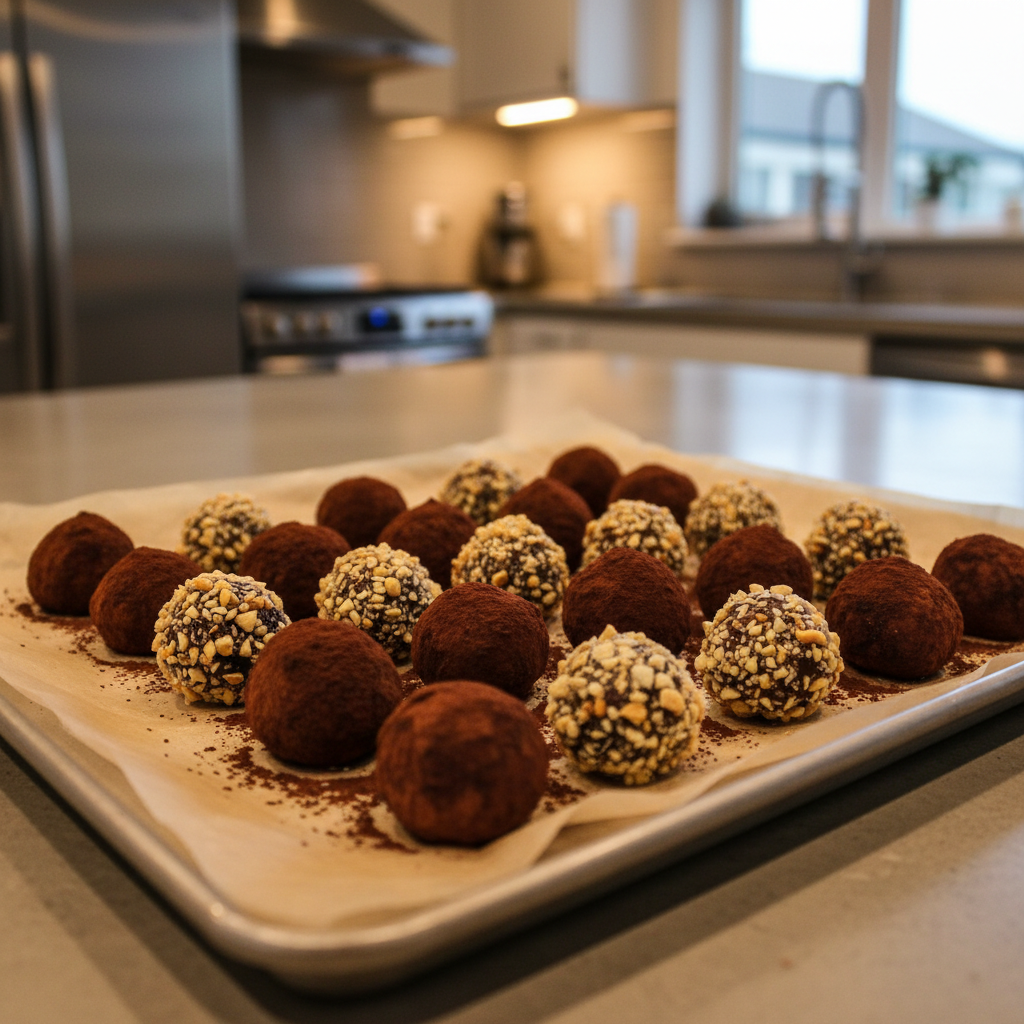
5) Chocolate truffles for gifting (cleaner, less mess)
Goal: truffle-shop vibe without fancy equipment.
- Make a firm ganache, chill until scoopable.
- Scoop with a small cookie scoop, then roll quickly with cool hands.
- Coat in cocoa powder, toasted nuts, or shredded coconut.
- Chill again before packing so they don’t flatten.
Practical upgrades that make any chocolate dessert taste richer
These are the small moves that separate “sweet” from “wow.”
- Bloom cocoa: stir cocoa into hot liquid (coffee, water, or warm milk) before adding to batter for deeper flavor.
- Add salt intentionally: a pinch in batter, then a few flakes on top of brownies or cookies right after baking.
- Use mix-ins sparingly: too many chips or chunks can make brownies crumble. Choose one hero mix-in.
- Rest and chill: many chocolate recipes taste better the next day because flavors meld and texture sets.
Common mistakes (and what to do instead)
- Microwaving chocolate too aggressively: use short bursts and stir often; residual heat keeps melting.
- Measuring flour by scooping: it packs flour and dries bakes. Spoon into the cup and level, or use a kitchen scale.
- Skipping the cool-down: slicing brownies hot makes a mess and can read as “underdone” even when they’re fine.
- “More chocolate” as a fix for everything: sometimes the missing piece is salt, acidity balance, or fat, not extra cocoa.
Key takeaways before you bake
- Pick the right chocolate form: bars for silky melts, chips for convenience.
- Protect texture by avoiding overmixing and overbaking.
- Control temperature when combining chocolate with dairy or eggs.
- Use small flavor amplifiers like espresso powder and flaky salt.
Conclusion: build a “decadent” rotation you can repeat
The best chocolate recipes are the ones you can make on a tired weeknight and still feel proud serving to people you like. Start with brownies or ganache, learn the temperature cues, then graduate to mousse and lava cakes when you want the drama.
If you do one thing today, choose one dessert style from the table, bake it twice in two weeks, and tweak only one variable at a time. That’s how “decadent” stops being luck and becomes your default.
FAQ
- What’s the best chocolate percentage for most desserts?
For a lot of home baking, 60–72% tends to balance depth and sweetness well. If your crowd prefers sweeter desserts, semisweet often lands better without tasting bitter. - Can I swap cocoa powder for melted chocolate?
Sometimes, but it’s not a 1:1 swap because cocoa brings flavor with less fat, while chocolate adds both. If you want to experiment, look for a recipe designed for the form you have rather than forcing a substitution. - Why did my chocolate seize, and can I fix it?
Seizing usually happens when water hits melting chocolate. You can sometimes recover it by slowly whisking in warm cream or butter to turn it into a sauce, but it may not return to perfect dipping chocolate. - How do I know when brownies are done if the toothpick test fails me?
Look for set edges and a center that no longer looks glossy-wet. A toothpick should come out with moist crumbs, not totally clean. - Are lava cakes safe to eat if the center is runny?
The center is runny because it’s underbaked, not necessarily because it’s raw, but safety depends on ingredients and temperature. If you’re concerned about eggs or serving higher-risk guests, choose recipes designed to be fully cooked or consult a food safety professional. - What’s the easiest make-ahead decadent dessert?
Ganache tart and mousse both hold well in the fridge and taste great chilled. Truffles also travel well if you need something giftable. - How can I make chocolate desserts less sweet without ruining them?
Use darker chocolate, add a bit more salt, and avoid extra sweet mix-ins. Cutting sugar drastically can change structure in cakes and brownies, so small reductions are safer than big ones.
If you’re building your own go-to collection of decadent bakes, save this page and pick one recipe style to master next, brownies for reliability, mousse for make-ahead ease, or ganache for a versatile “do-everything” chocolate base.