
Noodle recipes solve a very real weeknight problem: you want something comforting and filling, but you don’t want a sink full of dishes or a 40-minute sauce situation.
The good news is noodles are one of the easiest “framework” foods, once you understand a few pairings, a couple of sauces, and how to avoid the classic mistakes, soggy noodles, bland broth, or watery stir-fries.
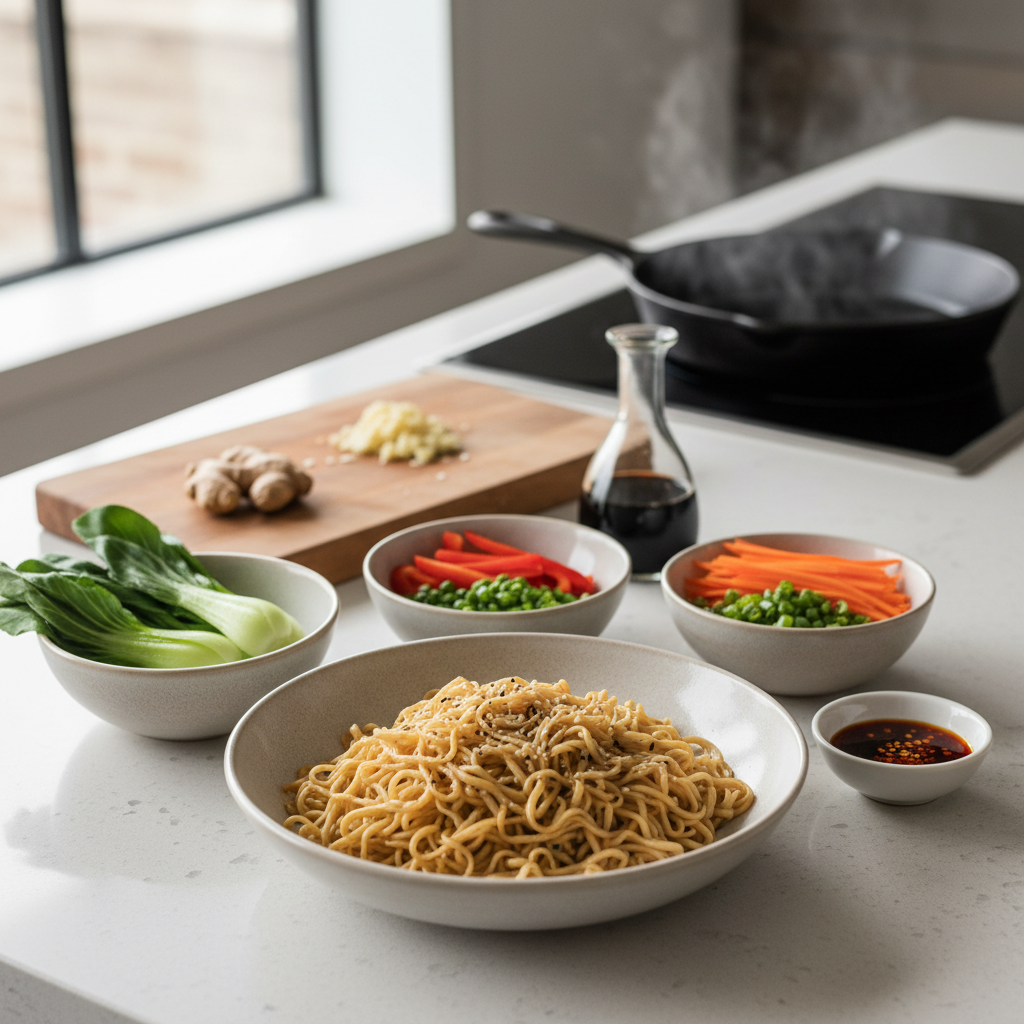
Below you’ll get a practical mix of meal-ready ideas, a quick noodle selection guide, and a few steps that make your noodles taste like you tried harder than you actually did.
Pick the right noodle (it changes everything)
A lot of “my noodles didn’t work” comes down to mismatch, the sauce is too heavy for the noodle, or the noodle can’t hold up in soup. Use this table as a fast cheat sheet.
| Noodle type | Best for | What to watch | Easy store options (US) |
|---|---|---|---|
| Spaghetti / linguine | Garlic-oil, creamy, tomato, quick pan sauces | Salt the water well, finish in sauce | Any grocery store |
| Rice noodles | Stir-fries, light broths, quick salads | Soak/brief cook, they over-soften fast | Thai/Vietnamese aisle |
| Ramen-style wheat noodles | Brothy bowls, quick “pan ramen” | Don’t overcook, add late to soup | Fresh or dry packs |
| Udon | Hearty soups, thick sauces | Rinse frozen udon after heating | Frozen section, Asian markets |
| Soba (buckwheat) | Cold noodles, light dipping sauces | Rinse thoroughly to remove starch | Asian aisle, specialty brands |
Quick decision rule
- Soup-heavy meal: choose ramen noodles or udon.
- Stir-fry with bold sauce: rice noodles or spaghetti work surprisingly well.
- Cold, refreshing meal: soba or rice noodles.
Why your noodles taste “fine” (and how to fix it)
Most noodle dinners aren’t failing because of a missing exotic ingredient, they’re failing because one key layer is missing. Fixing that layer usually makes the whole bowl click.
- No seasoning baseline: pasta water unsalted, broth under-seasoned, or sauce not balanced. Taste early, adjust once, then again at the end.
- Weak aromatics: garlic, ginger, scallion, or chili needs heat contact. Let it sizzle in oil for 20–40 seconds before adding liquids.
- Watery sauce: add starch help (a spoon of pasta water, a cornstarch slurry, or reduce uncovered for a minute).
- Texture mismatch: noodles overcooked by 60 seconds can feel “sad.” Pull them earlier and finish in sauce or broth.
- Too one-note: most great noodle recipes have a salty + acidic + a little sweet balance. Lime, rice vinegar, or a tiny pinch of sugar often does more than extra soy sauce.
According to USDA Food Safety and Inspection Service (USDA FSIS)... you should cool leftovers quickly and refrigerate within 2 hours; noodle dishes with protein can spoil faster than people expect.
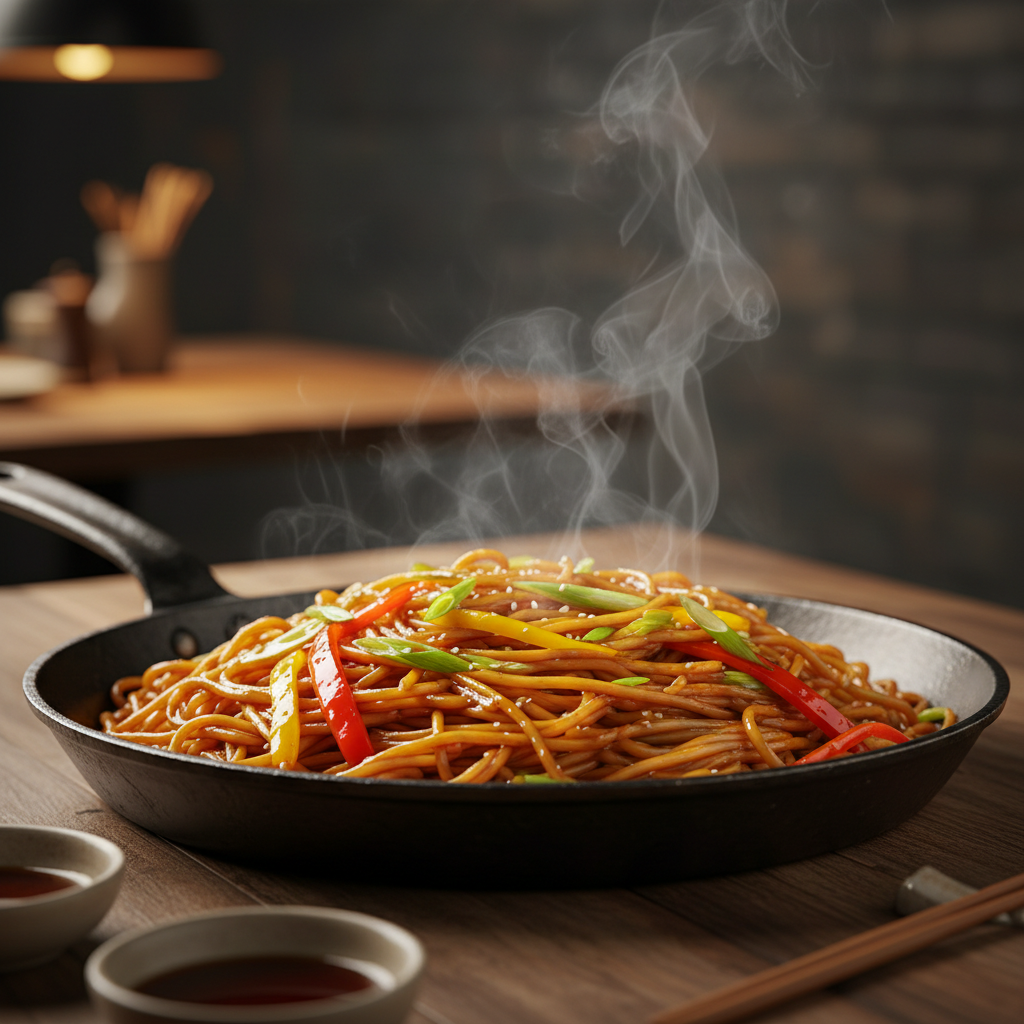
A quick self-check: what kind of noodle meal do you need tonight?
Before you jump into noodle recipes, decide what “easy” means for you right now. It changes the best approach.
- 10–15 minutes, minimal chopping: broth bowl with frozen veg + egg, or pantry garlic noodles.
- Use up produce: stir-fry noodles where vegetables are the main event.
- High-protein: add tofu, chicken, shrimp, or eggs, then build sauce around it.
- Light and fresh: cold sesame noodles or soba with a citrusy dressing.
- Spicy comfort: chili oil noodles, spicy peanut noodles, or quick “ramen upgrade.”
6 reliable noodle recipes you can rotate (with easy swaps)
These aren’t fussy, and you can adapt them to what’s already in your fridge. Each one has a “flavor anchor” so it doesn’t end up bland.
1) Garlic-Sesame Pantry Noodles (15 minutes)
Flavor anchor: toasted sesame oil + soy sauce + garlic.
- Cook spaghetti or ramen-style noodles until just tender, reserve a splash of cooking water.
- In a pan, warm neutral oil, add minced garlic and chili flakes for 30 seconds.
- Toss noodles with soy sauce, sesame oil, a little vinegar, and reserved water to gloss it up.
- Top with scallions, sesame seeds, and a fried egg if you want it more filling.
2) Weeknight Peanut Noodles (20 minutes)
Flavor anchor: peanut butter + acid.
- Whisk peanut butter, soy sauce, lime juice (or rice vinegar), a little honey or sugar, and warm water.
- Toss with cooked rice noodles or spaghetti.
- Add shredded rotisserie chicken, tofu, or edamame, plus cucumbers or shredded carrots.
Swap: almond butter works, the taste shifts a bit but still good.
3) Fast Veggie Lo Mein-Style Noodles (25 minutes)
Flavor anchor: soy + a touch of sweetness + high heat.
- Stir-fry sliced onion, mushrooms, and any quick-cooking veg in a hot pan.
- Add noodles, then sauce (soy sauce, a little brown sugar, a splash of sesame oil).
- Finish with black pepper and scallions.
Tip: if the pan looks wet, stop stirring for 20 seconds and let it reduce.
4) “Upgraded” Instant Ramen Bowl (10–12 minutes)
Flavor anchor: aromatic oil + extra toppings.
- Simmer noodles, but treat the packet as optional, use half first, then taste.
- Add spinach or frozen corn in the last minute.
- Top with soft-boiled egg, leftover chicken, tofu, or mushrooms.
If you track sodium, this is the one to watch; many packaged soups run salty, so adjusting seasoning matters.
5) Lemon-Parmesan Noodles with Greens (20 minutes)
Flavor anchor: lemon zest + cheese.
- Sauté garlic in olive oil, add kale or baby spinach until just wilted.
- Toss in cooked pasta with lemon zest, lemon juice, parmesan, and pasta water to emulsify.
Fix if it clumps: add more hot pasta water, a tablespoon at a time.
6) Simple Udon Soup (20 minutes)
Flavor anchor: broth + umami.
- Simmer broth with ginger and garlic, add soy sauce and a small amount of miso if you have it.
- Add frozen udon, then mushrooms and bok choy or spinach.
- Finish with scallions and chili crisp.
According to CDC... cooling and storing leftovers safely reduces risk of foodborne illness; if you’re unsure how long soup sat out, it’s usually smarter to discard it.
Practical cooking moves that make noodle recipes easier
These are the habits that save time and improve results, even if you’re not following a strict recipe.
- Build sauce in a bowl while noodles cook: you’ll stop overcooking while “figuring it out.”
- Reserve starchy water: it helps sauce cling, especially for pasta and wheat noodles.
- Prep one “crunch” topping: sliced scallions, peanuts, sesame seeds, or cucumbers make a simple bowl feel complete.
- Cook proteins first in the same pan: then use the fond and oil to flavor the noodles.
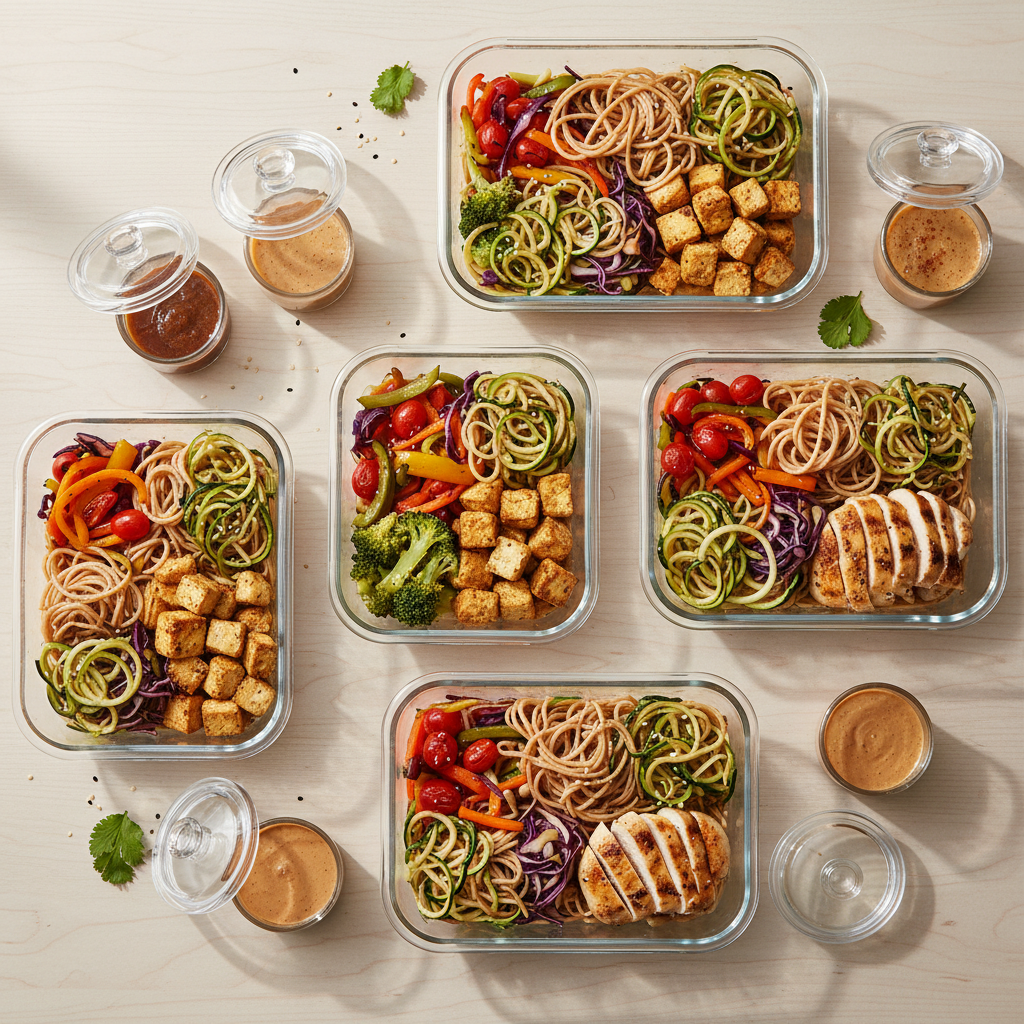
Common mistakes (and the quick correction)
Some errors repeat across almost every noodle style, and they’re easy to fix once you know what you’re looking at.
- Mistake: rinsing pasta for hot dishes. Fix: don’t rinse, keep starch to help sauce stick (cold noodles are different).
- Mistake: adding all sauce at once. Fix: add most, toss, then decide if it needs more.
- Mistake: overcrowding the pan in stir-fries. Fix: cook veg in batches so it sears instead of steaming.
- Mistake: dumping delicate rice noodles into aggressive boiling. Fix: soak or brief simmer, then toss in sauce to finish.
- Mistake: only salty seasoning. Fix: add acid (lime, vinegar) and a touch of sweetness.
When it makes sense to get more specific (diet, allergies, health)
If you’re cooking around celiac disease, gluten sensitivity, kidney disease, diabetes, or food allergies, “just swap the noodle” sometimes isn’t enough, sauces and broths carry gluten, sugar, or high sodium too. In those cases, reading labels closely and asking a registered dietitian for tailored guidance is often worth it.
For everyday goals like “lighter dinners,” you can usually adjust portion sizes and add more vegetables or lean protein, but if you’re managing a medical condition, it’s safer to treat online noodle recipes as inspiration rather than instructions.
Key takeaways for better noodle meals
- Match noodle to sauce: thin sauces need noodles that hold texture, heavy sauces need sturdier noodles.
- Season in layers: aromatics, then sauce balance, then final taste check.
- Texture is a feature: pull noodles early and finish in the pan or broth.
- One topping changes everything: something crunchy or bright makes the bowl feel “done.”
Conclusion: make noodles your “default dinner” without getting bored
If you keep a couple of sauces and a few noodle types around, noodle recipes stop being a special plan and start being a reliable option for real-life schedules. Pick one recipe from the list, commit to one topping, and taste for acid before serving, that’s the fastest path to a bowl you actually want to repeat.
If you want a simple next step, choose two styles to rotate, one stir-fry and one soup, then stock the ingredients that make those styles effortless for you.
FAQ
What are the easiest noodle recipes for beginners?
Garlic-sesame noodles and lemon-parmesan pasta are usually the most forgiving because the sauce is simple and you can adjust it at the end without breaking anything.
How do I keep noodles from getting mushy?
Cook them just shy of done, then finish in the sauce or broth for a minute. For rice noodles, soaking and a quick toss in a hot pan often works better than a long boil.
Can I use spaghetti for Asian-style noodle recipes?
Yes, in many home kitchens it’s a practical swap. The main tweak is adding a bit of starchy water so soy-based sauces cling instead of pooling.
What protein works best with noodle meals?
Eggs, tofu, shrimp, and shredded rotisserie chicken fit most flavors. If you’re short on time, eggs are the fastest way to make a bowl feel complete.
How do I fix a sauce that tastes too salty?
Add acid (lime or vinegar), a little water or unsalted broth, and more noodles or vegetables to spread the seasoning. Sweetness can help, but use it carefully.
Are noodle recipes healthy?
It depends on portion size, sauce, and add-ins. Many noodle dishes become more balanced with extra vegetables and lean protein; if you have health concerns, a clinician can give advice tailored to you.
How long do cooked noodles last in the fridge?
Many home cooks use 3–4 days as a practical window, but storage conditions matter. When in doubt, follow food-safety guidance and discard anything that smells off or sat out too long.
If you’re already cooking noodle dinners but they still come out “just okay,” a small system helps more than another random recipe, a short list of sauces, a noodle cheat sheet, and a few dependable toppings you actually like will make weeknights easier without feeling repetitive.